
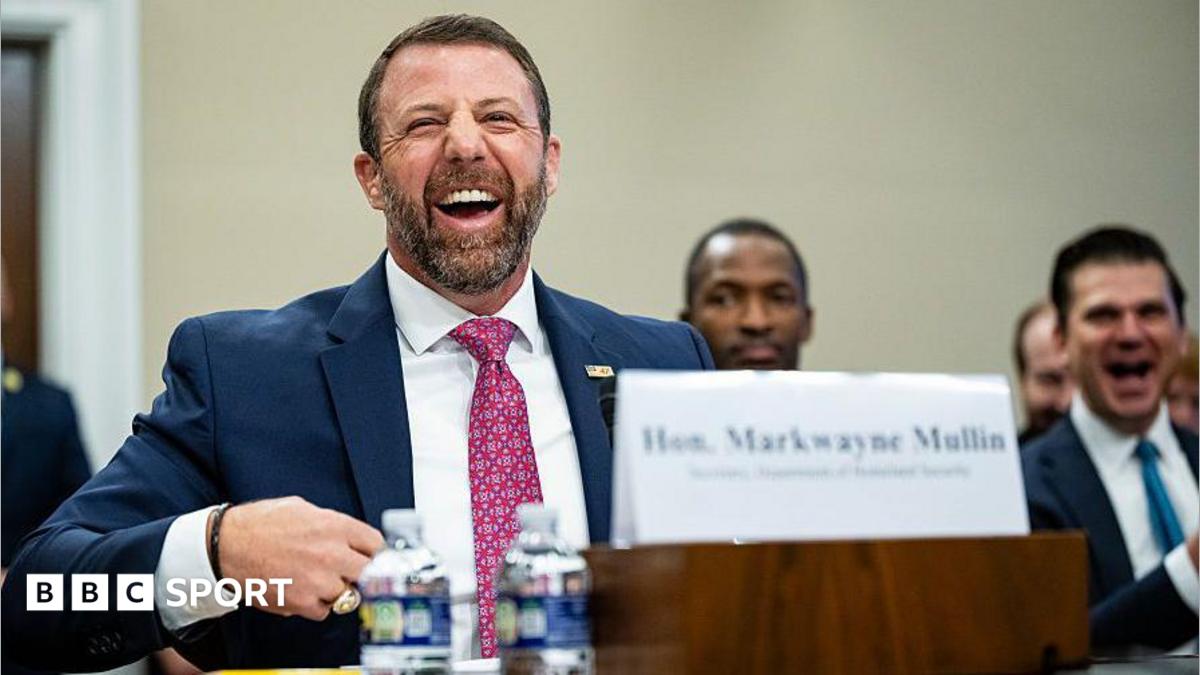
In a surprising turn of events during the recent World Cup, Iran’s elimination from the tournament has sparked diverse reactions, particularly from U.S. officials. The head of the Department of Homeland Security expressed his relief at Iran’s departure, revealing a rather celebratory sentiment. The implications of Iran’s World Cup participation extend beyond mere sportsmanship, highlighting broader geopolitical tensions.
Iran’s Struggles in the Tournament
Despite a valiant effort, Iran’s bid to advance in the World Cup was thwarted as they were edged out in the group stage on goal difference. The team had a potential game-winner against Egypt disallowed due to a controversial offside call. Their coach, Amir Ghalenoei, voiced the sentiment that his team faced significant challenges at the tournament, proclaiming them to be among the “most oppressed” teams, especially in light of ongoing conflicts with the U.S. and Israel. This narrative of oppression framed the Iranian team’s experience beyond just football, positioning them as a symbol of struggle.
Before the tournament commenced, Iran faced logistical hurdles, including a last-minute relocation of their training base from Arizona to Tijuana, Mexico. These disruptions didn’t cease with their arrival; the team encountered strict travel restrictions that hindered their preparation and mobility throughout their stay in the United States. Despite these setbacks, they managed a 1-1 draw with Egypt, keeping their hopes alive for a spot as one of the best third-placed teams.
Political Context and Reactions
Unfortunately for Iran, their chances of qualifying evaporated following a tense draw between Algeria and Austria, which ultimately decided their fate. Following the match, U.S. Secretary of Homeland Security Markwayne Mullin openly expressed his enthusiasm regarding Iran’s exit from the tournament. He remarked on his relief that the team would no longer be a presence in the U.S., even admitting to having performed a “happy dance” upon learning the news. Mullin’s statements underscore the complex intersection of sports and politics, revealing an intrinsic connection between global sporting events and international relations.
Iran’s contingent faced significant challenges even in terms of their presence in the U.S. They were only allowed entry into the country a day before their first two matches and faced a strict mandate to leave immediately after each game. In a minor concession for their final group match, restrictions were eased slightly, permitting them to arrive two days early but still necessitating an immediate return to Mexico afterward.
The Aftermath and Reactions from Iran’s Players
Coach Ghalenoei criticized the treatment his team received during the World Cup, suggesting they were afforded “less than half” the necessary training time to adequately prepare for their matches. This perceived unfairness resonated with team captain Mehdi Taremi, who lamented that the prevailing tensions overshadowed what should have been a joyous celebration of global football. Taremi’s comments highlight the psychological toll such an environment can exert on players who are already navigating a high-pressure tournament.
As the dust settles on Iran’s World Cup journey, it’s clear that the challenges faced by the team extend far beyond the pitch. The interaction of sports, national identity, and global politics will likely leave a lasting impact on how countries approach international sporting events. As we look to future tournaments, the narrative surrounding Iran’s participation will undoubtedly remain a poignant reminder of the intricate threads connecting sport, culture, and international relations.