
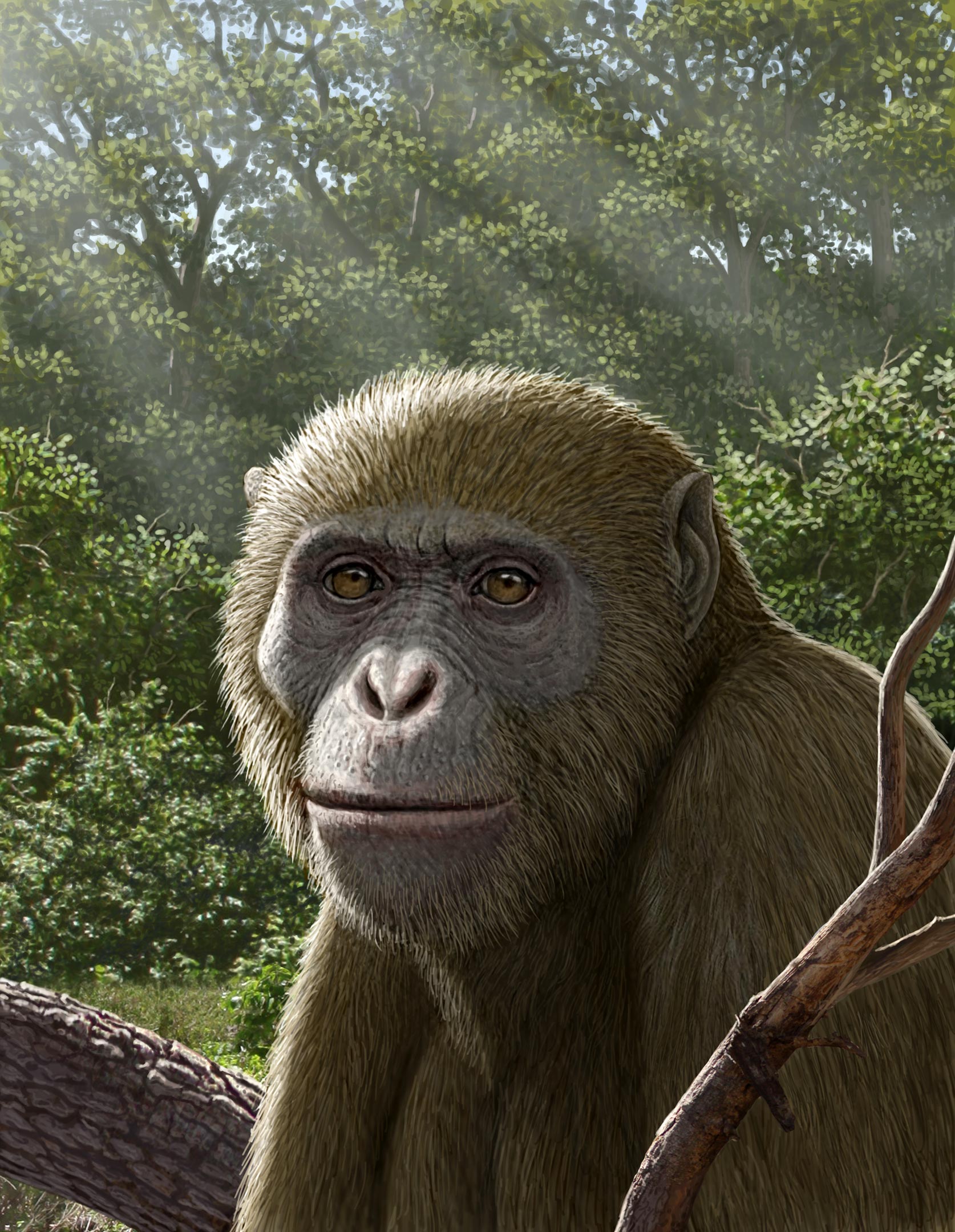
Recent discoveries in paleontology have the potential to reshape our understanding of ape evolution. A new fossil find in Egypt, known as Masripithecus moghraensis, is shedding light on the evolutionary history of modern apes and may fill a significant gap in the fossil record.
Filling the Geographic Void
Historically, the narrative surrounding ape evolution has been uneven, particularly concerning North Africa. While significant fossil evidence has been found in East Africa, Europe, and Asia, North Africa has remained largely unexamined, leaving researchers puzzled. The discovery of *Masripithecus moghraensis*, which lived around 17 to 18 million years ago during the Early Miocene, marks a critical advancement in the study of ape origins. Excavated from the Wadi Moghra fossil site in northern Egypt, this ape represents the first definitive fossil of its kind from the region, suggesting that North Africa was pivotal for ape evolution.
Hesham Sallam, a paleontologist from Mansoura University and the lead author of the study, emphasized the importance of this find. He stated, “After five years of searching for fossils in this area, it became evident that North Africa contained crucial pieces of the early ape family tree that we were missing.”
New Insights into Ape Evolution
Prior to this discovery, fossil sites in North Africa produced only monkey remains, leading scientists to assume that early apes thrived mainly further south in Africa. The current record of younger ape fossils from various regions, including Africa, Asia, and Europe, added to the confusion around the evolutionary relationships and geographic origins of these species.
The identification of Masripithecus changes the narrative, proving that apes were indeed present in North Africa during this significant evolutionary phase. Notably, this new species displays notable differences from its East African counterparts of similar age. The genus name Masripithecus merges the Arabic word for Egypt, “Masr,” with the Greek word for ape, “píthēkos.” The species name honors its discovery location, Wadi Moghra.
Diverse Feeding Habits Revealed
The fossil remains discovered primarily consist of a lower jaw, which showcases a unique set of traits not previously observed in early ape fossils. Features such as oversized canine and premolar teeth, molars with rounded surfaces, and a robust jaw indicate a specialized yet flexible feeding strategy. As Shorouq Al-Ashqar, another researcher involved in the study, indicates, this anatomical evidence suggests that *Masripithecus* was likely adapted for a varied diet, predominantly consisting of fruit but capable of consuming harder items like nuts and seeds. Such dietary flexibility would have been advantageous during a period of climatic changes leading to greater seasonal variations in northern Africa.
Shifting Perspectives on Ape Origins
The implications of the *Masripithecus* discovery extend into the broader understanding of the lineage of modern apes. Using advanced techniques, researchers conducted a phylogenetic analysis that positioned *Masripithecus* closer to modern apes than any known early Miocene species from East Africa. This analysis also suggests that northern Africa and the Middle East might be the ancestral homeland for all living apes, challenging previous assumptions that centered East Africa as their origin.
Furthermore, the geographical context during this time was significant, as Africa and Arabia were shifting northwards in response to tectonic activity. The resulting landscape connected these regions, allowing for the migration of species, including early apes.
Future excavations in Egyptian fossil sites hold promise for uncovering more fossils that could further clarify the origins and diversification of modern apes, solidifying their evolutionary story.