
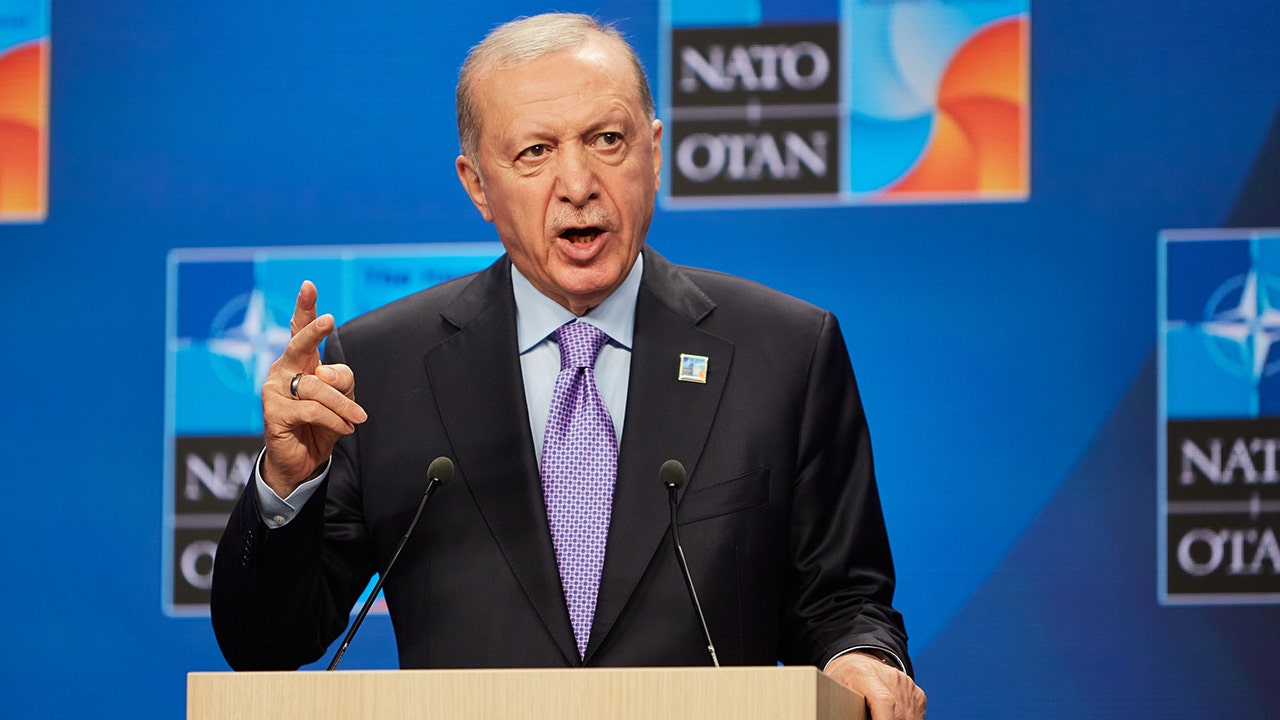
The Trump administration is proceeding with a contentious arms deal valued at $700 million, designated for NATO ally Turkey. This decision is particularly controversial given Turkey’s growing ties with Russia and its involvement with terrorist groups in the Middle East.
Concerns from Leadership
Representative Gregory Meeks, the Democratic leader on the House Foreign Affairs Committee, expressed deep concern regarding the administration’s choice to bypass congressional approval for the defense sale, which primarily includes fighter jets. He criticized the State Department for failing to provide a justification or details on the implications of the sale, particularly as it relates to Turkey’s ongoing possession of the Russian S-400 air defense system and its impact on regional security dynamics.
Impact on NATO Relations
Turkey’s acquisition of the Russian S-400 system in 2019 triggered alarm within the NATO alliance. The U.S. and its allies view this as a significant intelligence risk, undermining the integrity of NATO’s operational readiness. The S-400 is specifically designed to detect and engage stealth aircraft like the F-35, creating potential vulnerabilities for U.S. forces and their allies. Reports indicate that the danger arises from the two systems potentially sharing data, which could aid Moscow in countering U.S. military aircraft.
The U.S. previously sanctioned Turkey for this purchase in 2019 and removed Ankara from the F-35 fighter jet program. Congress has also legislated against Turkey’s involvement in the program while it retains the S-400 system in its arsenal. Nevertheless, the State Department has dismissed concerns over U.S. arms sales to Turkey, emphasizing Turkey’s value as a strong NATO partner and its contributions to alliance operations.
The Strategic Importance of the Deal
The arms package represents a significant strategic advantage for Turkish President Recep Tayyip Erdoğan, particularly as he prepares to host the NATO summit in Ankara in 2026. Analysts suggest that this deal is critical not just for enhancing Turkey’s defense capabilities but also for Erdoğan’s domestic political narrative. The sale of U.S.-made jet engines is pivotal for Turkey’s KAAN fifth-generation fighter jet program, currently still in development. Experts assert that without these engines, Turkey could struggle to transition from the prototype phase to mass production of a combat-ready aircraft.
This arms deal has broader implications, potentially reinforcing Turkey’s status within NATO. If Ankara successfully develops its own fighter jet, it could contribute significantly to NATO’s defense capabilities and bolster Turkey’s defense export market. President Erdoğan has been actively lobbying for Turkey’s reintegration into the F-35 program despite pushback from U.S. legislators.
Regional Stability Concerns
However, concerns persist regarding Turkey’s role as a destabilizing force in the region. Four Republican representatives have vocalized their worries about the proposed sale of jet engines, highlighting Turkey’s problematic actions, such as ongoing territorial disputes and its refusal to impose sanctions on Russia. They insist that any military support to Turkey must be contingent on its compliance with U.S. law and respect for regional allies.
Ultimately, the administration’s decision to proceed with the arms sale amid these tensions raises questions about the U.S.’s commitment to regional stability and its relationships with allies. As this situation develops, both domestic and international observers will be watching closely for further implications regarding U.S.-Turkey relations and NATO’s collective security.