
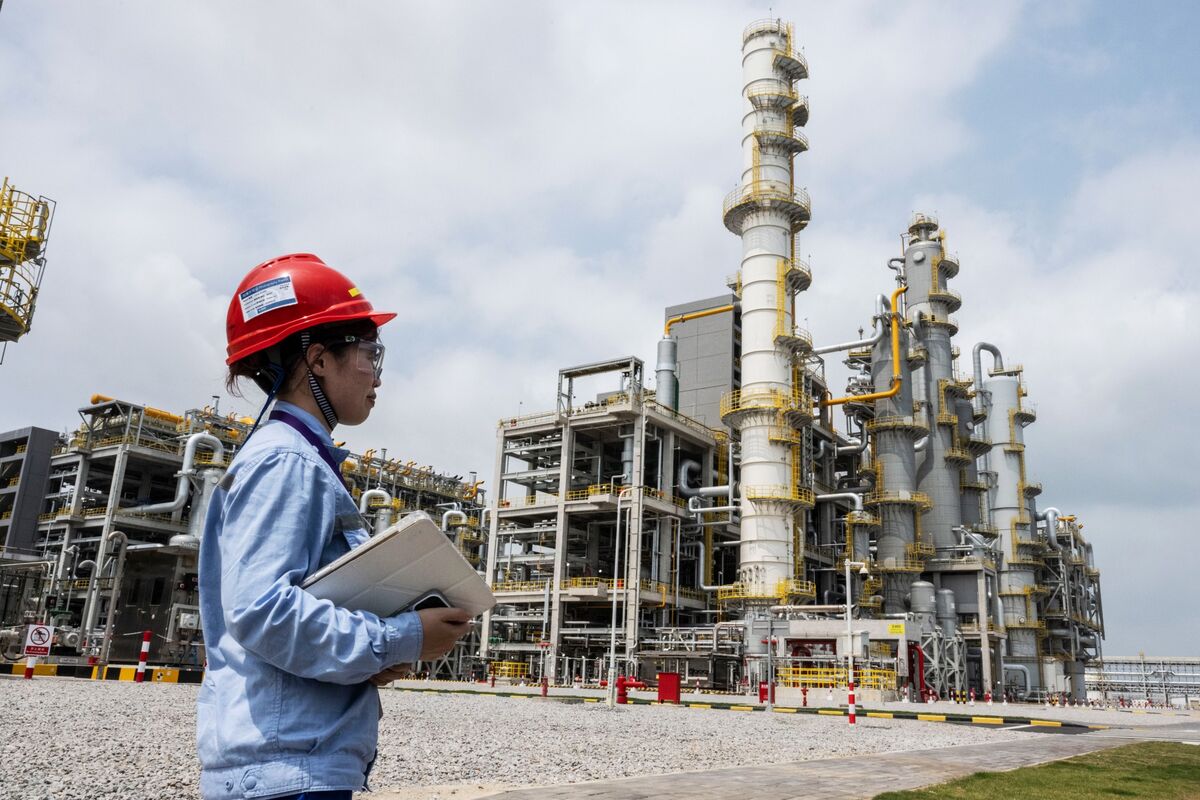
The ongoing conflict in Iran is transforming China’s petrochemical industry, significantly affecting its trade dynamics. As the situation evolves, Chinese manufacturers are finding new avenues to export their products, particularly the essential components used in plastics, rubber, and textiles. This reassessment of trade routes is not only beneficial to China’s economy but also reshaping global supply chains.
Impact on China’s Petrochemical Exports
The turmoil in Iran has created unique opportunities for China’s petrochemical sector to expand its market reach. Facing an oversupply of petrochemical products, Chinese facilities are now focusing on exporting more of their output. By redirecting resources and maximizing production, they’re effectively alleviating the surplus that has pressured domestic prices. This shift enables China to enhance its standing as a significant player in the global petrochemical industry.
Moreover, the changing geopolitical landscape is prompting Chinese firms to seek out new buyers and explore unconventional markets. With Iran’s exports facing sanctions and disruptions, there is a gap in supply that Chinese manufacturers are eager to fill. This shift not only diversifies the customer base for Chinese petrochemicals but also opens new doors for lucrative trade partnerships.
Reassessing Global Supply Chains
As China capitalizes on the changes in petrochemical trade, the broader implications for global supply chains cannot be overlooked. The conflict in Iran has caused disruptions in traditional supply routes, compelling countries to reassess how they source essential materials like plastics and rubber. For many manufacturers, the increased availability of Chinese petrochemicals presents a viable solution for maintaining production schedules while navigating uncertainties.
This reevaluation of supply chains could lead to a realignment of trade relationships among nations. Countries that previously relied heavily on Iranian petrochemical exports may now look to China as an alternative supplier. The resultant shift could bolster China’s economic footprint while potentially diminishing the influence of Iranian petrochemicals in the global market.
Furthermore, the growing demand from other nations may stimulate further innovations within China’s petrochemical sector. As manufacturers seek to enhance production efficiency and sustainable practices, the indirect benefits could pave the way for advancements that solidify China’s competitive edge in petrochemical manufacturing.
Future of Petrochemical Trade
Looking ahead, the trajectory of China’s petrochemical industry will likely continue evolving in response to the ongoing war in Iran. The strategic pivot towards exportation not only serves immediate economic needs but might also reveal long-term shifts in trade patterns. Investors and industry stakeholders must remain vigilant, recognizing that geopolitical conflicts can shape market dynamics in ways previously unconsidered.
Ultimately, while the war in Iran has introduced challenges, it concurrently presents significant opportunities for China’s petrochemicals sector. By increasing exports and reshaping its global trade strategies, China is positioning itself to not only recover from supply issues but to emerge as a leader in the global petrochemical landscape. The interplay between geopolitics and trade will undoubtedly continue to influence the industry for years to come, making it imperative for stakeholders to adapt to these changes swiftly.