
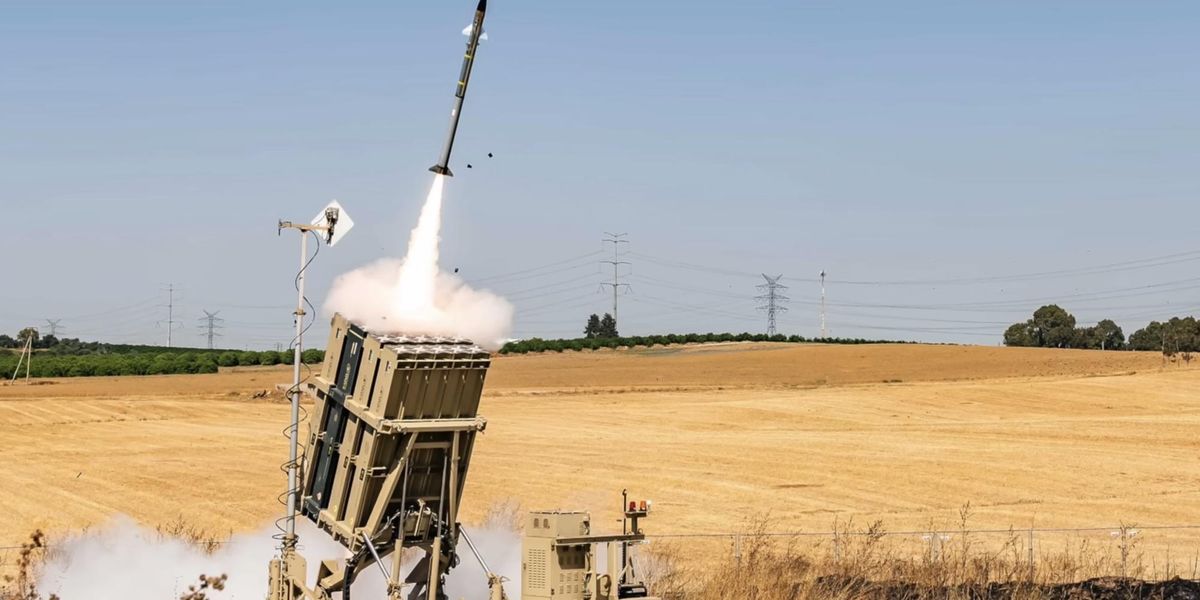
Israel has garnered significant attention for its military operations across the Middle East, yet the nation continues to flourish as a major player in global arms exports. This raises concerns regarding military accountability and political dynamics as countries around the world engage in arms deals with the Israeli government.
The Surge in Israeli Arms Exports
Since October 2023, Israel’s defense sector has experienced an extraordinary boom in arms exports and military technologies. As indicated by the Stockholm International Peace Research Institute (SIPRI), Israel emerged as the seventh-largest arms exporter from 2021 to 2025, overtaking countries such as the United Kingdom. The surge in defense startups, nearly doubling from 160 in July 2024 to 312 by April 2025, reflects a rapidly growing industry. The value of arms exports surged to a record $19.2 billion in 2025, up from $14.8 billion the previous year, indicating a robust demand for Israeli military hardware worldwide.
The Strategic Nature of Arms Sales
Experts, including Seth Binder from the American Committee for Middle East Rights, stress that arms deals serve as a long-term political tool for Israel, allowing it to forge deep strategic ties with other nations. These investments become a means for recipient countries to maintain accountability to Israel, especially concerning its actions in Gaza and the West Bank. Daniel Levy, president of the U.S./Middle East Project, asserts that these burgeoning relationships often impede global scrutiny of Israel’s military conduct, especially in the context of escalating conflicts.
European nations have increasingly turned to Israeli arms to bolster their military capabilities, especially in the wake of growing security concerns regarding Russia. Notably, Germany struck multi-billion dollar deals for missile defense systems and drones, despite vocal international criticism of Israel’s military actions. Greece and Romania have similarly invested substantial sums in Israeli weaponry, underlining the complex web of geopolitical interests that fuel these transactions.
Washington’s Role in Israel’s Arms Industry
A significant factor in the success of Israel’s arms exports is the long-standing military subsidy it receives from the United States. The Foreign Military Financing (FMF) program enables Israel to acquire not just American military equipment but also to utilize funds to support its own defense production. The Off-Shore Procurement (OSP) initiative further permits Israel to finance its arms sector using U.S. funds, solidifying its role as a key player in the global arms market.
American influence extends to specific arms deals, making U.S. approval essential for several export transactions. For instance, the Arrow-3 missile defense system, which Germany purchased, was co-developed with U.S. support. With congressional initiatives in motion to further integrate U.S. and Israeli defense sectors, Israel is well-positioned for increased exports, likely transforming it into a more critical supplier for the U.S. military.
Overall, Israel has leveraged its military expertise and technology to cultivate lucrative relationships with nations around the globe. This not only boosts its defense industry but also serves as a political tool to maintain influence, sometimes complicating international responses to its military actions. As the geopolitical landscape continues to evolve, Israel’s arms exports remain a central issue deserving scrutiny and discussion.