
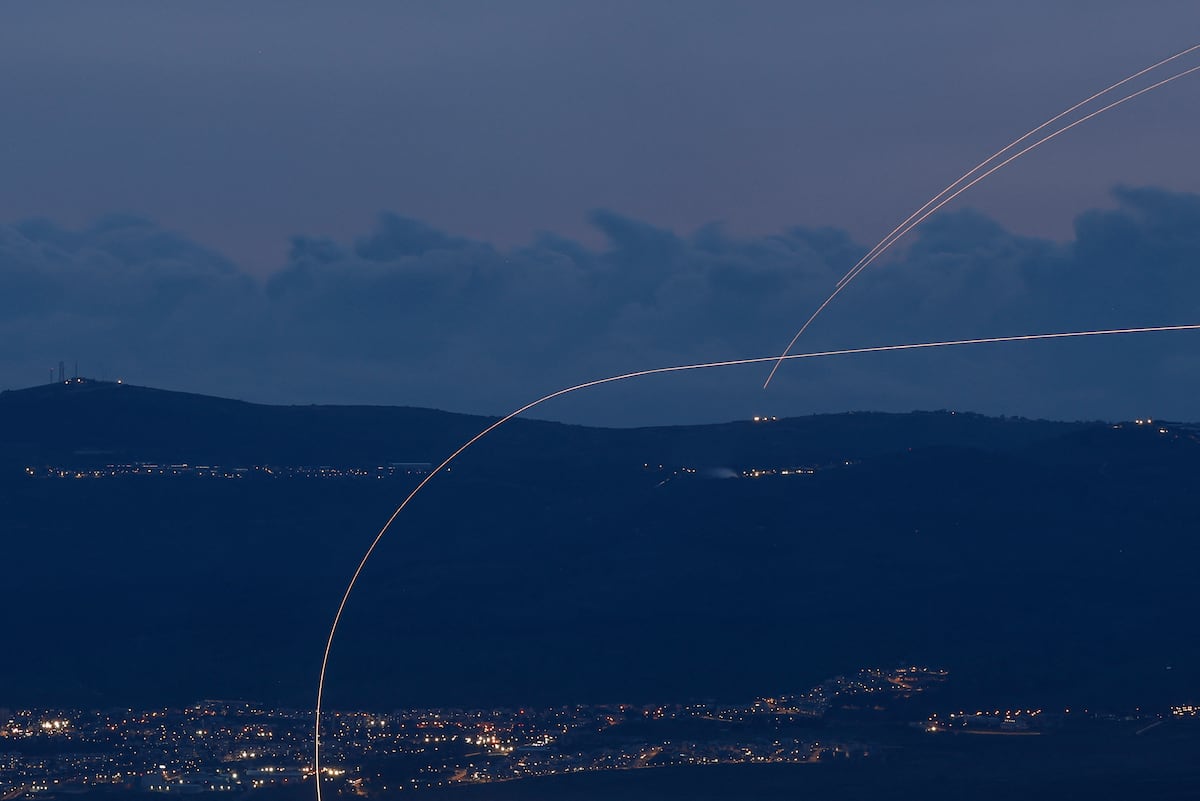
Israel has made significant advancements in its aerial defense capabilities with the successful testing of an upgraded version of the Iron Dome system. This redevelopment includes enhanced interoperability with the Iron Beam laser defense system, according to a recent announcement from the Israeli Ministry of Defense.
Enhanced Defense Capabilities
While specifics on the technical upgrades have not been disclosed, the ministry emphasized that these enhancements improve the Iron Dome’s ability to manage high volumes of incoming attacks. The updated system is now better equipped to handle large-scale saturation strikes, allowing for a more effective air defense strategy against a variety of threats.
A crucial feature of the latest testing phase was the operational integration of the Iron Beam system. These tests demonstrated the successful execution of joint operational scenarios, all coordinated from the Iron Dome’s centralized battle management center. This integration is vital for future deployments, enabling commanders to switch between missile and laser interceptions as dictated by the nature of the threat. This adaptability also incorporates considerations for system availability and cost-effectiveness.
Strategic Context and Challenges
Israel’s announcement comes at a time of heightened strategic concern, particularly along its northern border with Lebanon. While a new ceasefire agreement between the U.S. and Iran may have improved diplomatic relations, Israel is facing ongoing aggressions from Hezbollah, which has been launching drone attacks. The need for advanced defense capabilities is more pressing than ever, highlighting the importance of the Iron Dome and its recent upgrades.
The Iron Dome, initially operational since 2011, has been crucial in protecting Israel against various airborne threats. It made headlines for successfully intercepting its first Gaza-launched Grad rocket and has since become central to the country’s multi-layered air defense strategy. Each battery of the Iron Dome is equipped with a sophisticated radar system, a command center, and missile launchers that carry approximately 20 Tamir interceptors, allowing it to defend against threats within a range of 4 to 70 kilometers.
Cost-Effectiveness of Defense Systems
The Iron Beam system, developed by the same company behind the Iron Dome, Rafael, is designed for quick target neutralization, doing so within four to five seconds of locking onto a target. This system can engage threats at distances of up to 10 kilometers. Notably, the operational cost of deploying an Iron Beam pulse is a mere few dollars compared to the approximately $50,000 required for a single Tamir interceptor missile, making it a more cost-effective option in the long run.
These developments signal Israel’s commitment to maintaining an advanced and adaptable air defense framework, essential for navigating the complexities of regional security. The ongoing evolution of the Iron Dome and Iron Beam systems underscores the importance of technological innovation in ensuring national security in a volatile geopolitical landscape.