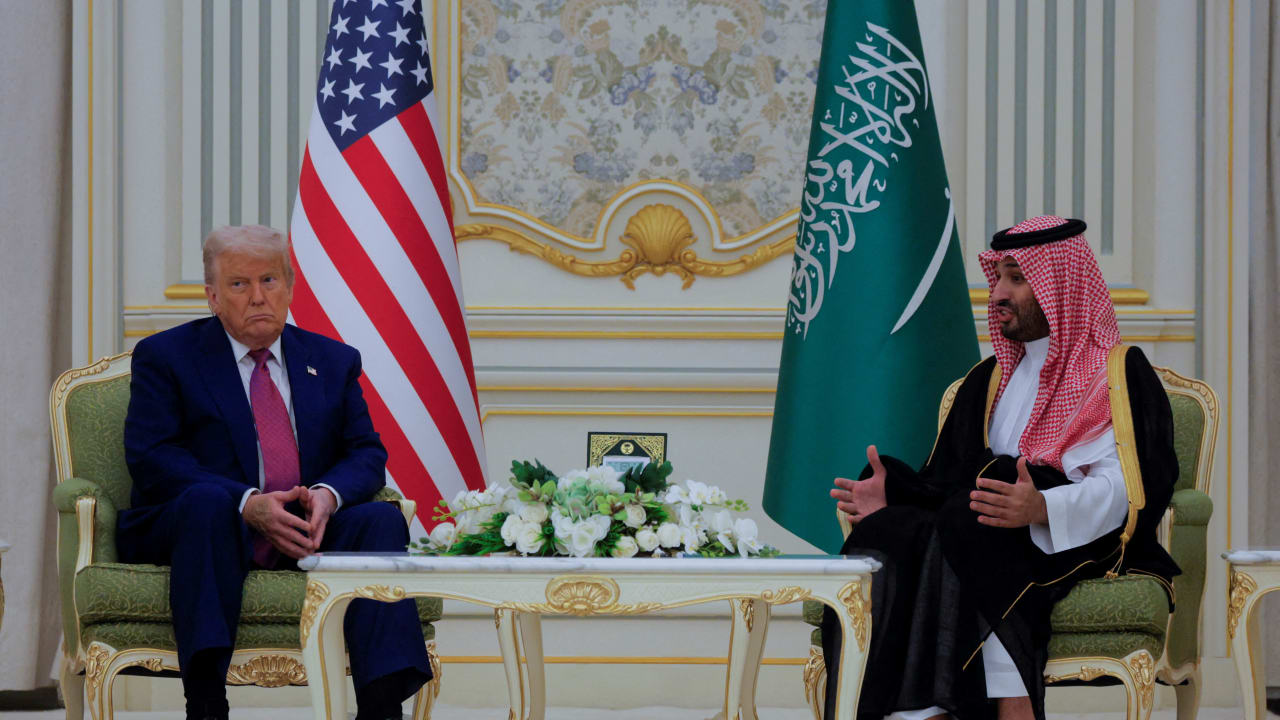
The diplomatic relationship between the United States and Saudi Arabia was recently tested when the U.S. planned Operation Project Freedom, designed to escort vessels through the sensitive Strait of Hormuz. However, this initiative faced significant roadblocks, leading to a reevaluation of military strategies in the region.
Saudi Resistance and U.S. Response
According to reports from *The Wall Street Journal*, Saudi Arabia was unwilling to permit the United States to utilize its military bases and airspace for the operation. In light of this, U.S. officials communicated a stern warning to Riyadh: the White House would contemplate withholding vital interception systems that Saudi Arabia relied on to counter Iranian missile threats. This pressure ultimately compelled Saudi Arabia to reconsider its position.
Reassessing Military Presence in the Region
As a result of the tensions between the two nations, U.S. officials suggested that the military presence in Saudi Arabia may be scaled back in favor of more cooperative partnerships with other nations involved in the region’s conflicts. Such a shift reflects the changing dynamics of U.S. foreign policy and the evolving geopolitical landscape in the Middle East.
Negotiation Efforts and Diplomatic Tensions
Initially, Saudi officials had put pressure on the U.S. concerning a blockade affecting Iranian ports, urging a return to diplomatic negotiations rather than escalating military action. Despite this advice, when President Trump initiated Operation Project Freedom, Saudi Crown Prince Mohammed bin Salman advised him to reconsider, stressing that it risked further escalating tensions with Iran.
The Bigger Picture of U.S.-Saudi Relations
Concerns have been voiced by Arab officials about the diminishing influence of Saudi Arabia in shaping U.S. foreign policy. Moreover, Saudi Arabia has expressed dissatisfaction regarding attacks originating from the UAE against Iran, which they feared could provoke retaliatory strikes targeting regional energy infrastructures. Instead, Saudi leaders sought U.S. support in urging the UAE toward diplomatic avenues rather than military confrontations.
Despite the tumultuous events surrounding Operation Project Freedom, Anna Kelly, a spokesperson for the White House, maintained that U.S.-Saudi relations remain strong. Kelly asserted that President Trump values diverse perspectives from regional partners and emphasizes decisions that prioritize American interests. Nonetheless, both the Pentagon and Riyadh remained tight-lipped regarding the evolving situation, leaving room for speculation about the future of their alliances in the region.
This episode underscores the complexities inherent in U.S.-Saudi relations and reflects a broader trend of shifting alliances and military strategies in the Middle East.