
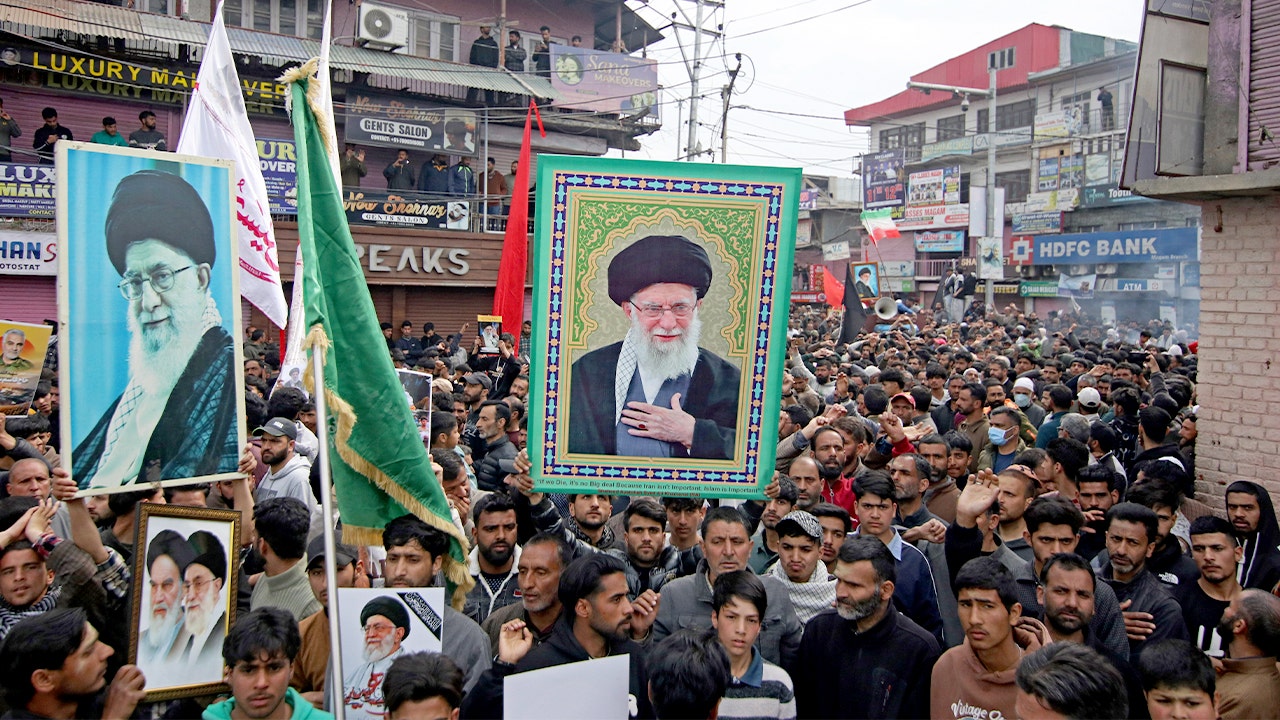
Tehran is gearing up for the burial of Supreme Leader Ali Khamenei on July 9, more than four months following his death. Authorities have mobilized the Basij militia and initiated an extensive security operation aimed at ensuring a massive turnout for the anticipated “historic” event. However, the delay in the funeral has sparked speculation regarding the preservation of Khamenei’s remains. Islamic customs typically call for swift burials, leaving many to question the decision to wait.
Speculations on Preservation Methods
Experts suggest that Khamenei’s body may have been preserved through refrigeration rather than embalming, which is prohibited in Islam. Dr. Mohammed Omar, a counterterrorism analyst, indicated that the procedure likely followed religious guidelines that permit such measures for exceptional circumstances, particularly for a figure of Khamenei’s stature. He mentioned that Iranian forensic facilities often store bodies for extended periods without issues, positioning this situation as unusual yet legally compliant under Shia law.
The circumstances surrounding Khamenei’s death were dramatic; he was killed in a targeted U.S. strike during Operation Epic Fury while at his compound in Tehran. The aftermath raised concerns about the condition of his remains, with implications that a significant amount of damage may have occurred. As reported, others who perished alongside him were identified through DNA weeks later, suggesting that the regime might struggle to present a recognizable body during the funeral.
A Show of Strength Amidst Uncertainty
In light of these events, Iranian authorities are framing the funeral as not just a farewell to a leader but as a display of national strength, reinforced by the slogan “We Must Avenge.” Yaqoub Soleimani, an official overseeing the memorial, has anticipated a turnout of over a million attendees, emphasizing that this gathering could symbolize a significant moment in Iran’s national history. Public viewings are set to take place over the weekend, leading into a grand funeral procession expected to draw millions.
While some estimates predict a staggering attendance of 15 to 20 million in Tehran alone, analysts are skeptical about these claims. Dr. Omar noted that the figures being released are less about logistics and more about delivering a strategic message of resilience and continuity for the regime, particularly influential after recent wars and protests that have raised questions about its stability.
Security Measures and International Representation
The Iranian government is planning extensive security measures for the funeral, with the Basij and the Islamic Revolutionary Guard Corps (IRGC) playing key roles in the operation. This mobilization not only illustrates the regime’s commitment to managing the event but also echoes its recent history of suppressing protests and dissent. Critics highlight that the institutions organizing this event are also connected to previous incidents where families of victims were denied proper burials for their loved ones.
Despite high hopes for international presence, major powers appear reluctant to send prominent representatives. Although Iranian President Masoud Pezeshkian invited leaders from various nations, many plan to send lower-level officials instead. This lack of high-level attendance may reveal the regime’s deepening isolation, despite its claims of being a leader in the regional context.
The forthcoming funeral will serve as a litmus test for both Iran and the broader international community, showcasing not only the regime’s ability to mobilize support but also its challenges amidst ongoing regional isolation.