
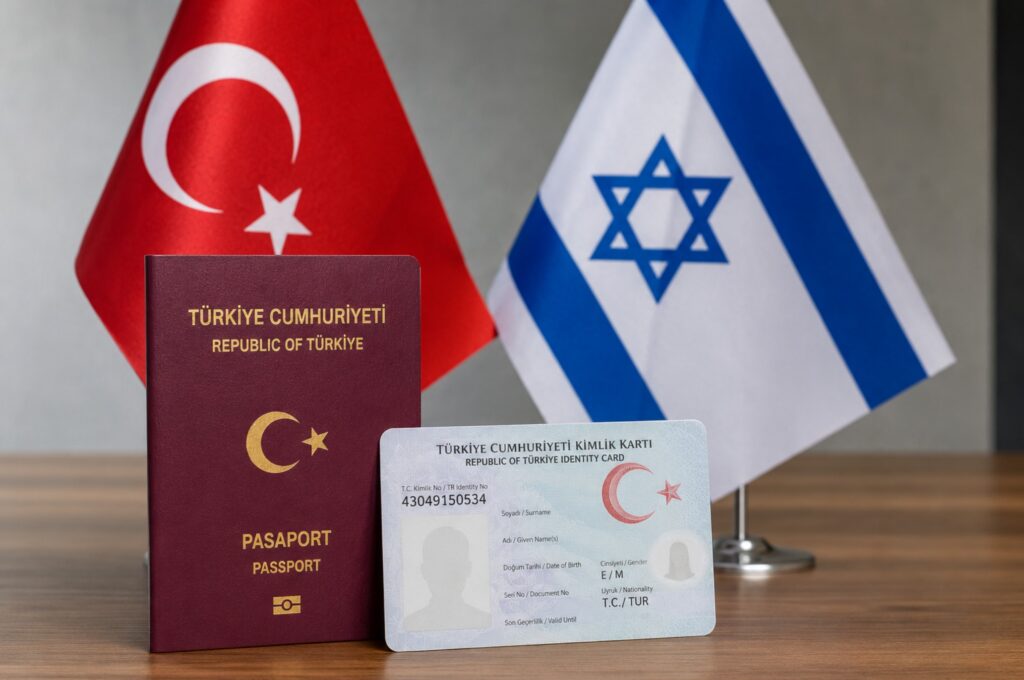
Turkey has emerged as a prominent refuge for various transnational actors, including both militant and organized crime figures. The country’s environment allows these individuals to secure citizenship and establish operations without significant hindrance. This trend raises important concerns regarding Turkey’s role in global security dynamics.
An Analysis of Turkey as a Safe Haven
Many individuals, labeled as terrorists by the United States and the European Union, particularly members of Hamas, have found Turkey to be a secure location for their activities. They capitalize on the country’s financial and logistical resources to bolster their operations. This situation is further compounded by the presence of Israeli organized crime figures, who also exploit the leniency of Turkish authorities to run their criminal enterprises. According to U.S. court documents reviewed by investigative bodies, these criminals are often able to obtain citizenship or legal residency in Turkey, which facilitates their international operations.
One noteworthy example is Eran Hiya, a U.S.-born Israeli organized crime figure. He is currently wanted in Israel for serious charges, including attempted murder and conspiracy. Court records reveal that Hiya resided in a heavily fortified compound in Turkey, which was protected by private security. American judges underscored his status as a significant flight risk, referencing his residence in Turkey, along with his financial resources and international travel capabilities as factors enabling his mobility.
The Criminal Background of Eran Hiya
Eran Hiya’s journey into the world of organized crime can be traced to his father, Eitan Hiya, a notorious mob boss dubbed the “Israeli Godfather.” After Eitan’s imprisonment for serious crimes like extortion and money laundering, Eran stepped into a leadership role within the family’s criminal network. The crimes he is accused of include orchestrating attempts on rival gang leaders’ lives, showcasing the violent atmosphere that surrounds organized crime in Israel.
Despite an INTERPOL Red Notice issued at the request of Israel, Turkish authorities have not acted against Hiya. Instead, he integrated into Turkish society, acquiring citizenship and further embedding himself within the local criminal landscape. The absence of action from Turkish law enforcement raises questions about complicity or negligence, particularly as evidence shows that his Turkish residency facilitated his continued international criminal operations.
Citizenship Acquisition Amid Controversy
Hiya’s acquisition of Turkish citizenship seems emblematic of a broader trend where international fugitives exploit loopholes in citizenship laws. Reports suggest he obtained his Turkish passport through real estate investments, a method often used by foreign nationals seeking citizenship in the country. This practice raises ethical questions, especially given allegations that various notorious criminals have secured Turkish residency while engaging in illicit activities—often in collaboration with or at the behest of Turkish authorities.
Notably, the naturalization process requires examination by Turkey’s National Intelligence Organization, which should theoretically flag applicants with dubious backgrounds. However, the approval of Hiya’s application suggests potential insider assistance, use of falsified documents, or even bribery. Alarmingly, the final authorization for such applications must pass through President Erdoğan, which implies a level of endorsement that cannot be ignored.
Impact on International Law Enforcement Efforts
The case of Eran Hiya exemplifies how Turkey has become a nexus for international crime. Not only does it provide refuge to militants, but it also serves as a safe base for organized crime figures who can interact freely with their global networks. The lack of decisive legal action against such individuals raises critical concerns about Turkey’s accountability in international law enforcement.
As we analyze cases like Hiya’s, it becomes clear that Turkey’s permissiveness towards foreign fugitives has far-reaching implications for global security. The systematic integration of both militants and criminals into Turkish society underlines a troubling trend that merits close scrutiny from international law enforcement and political analysts alike.