
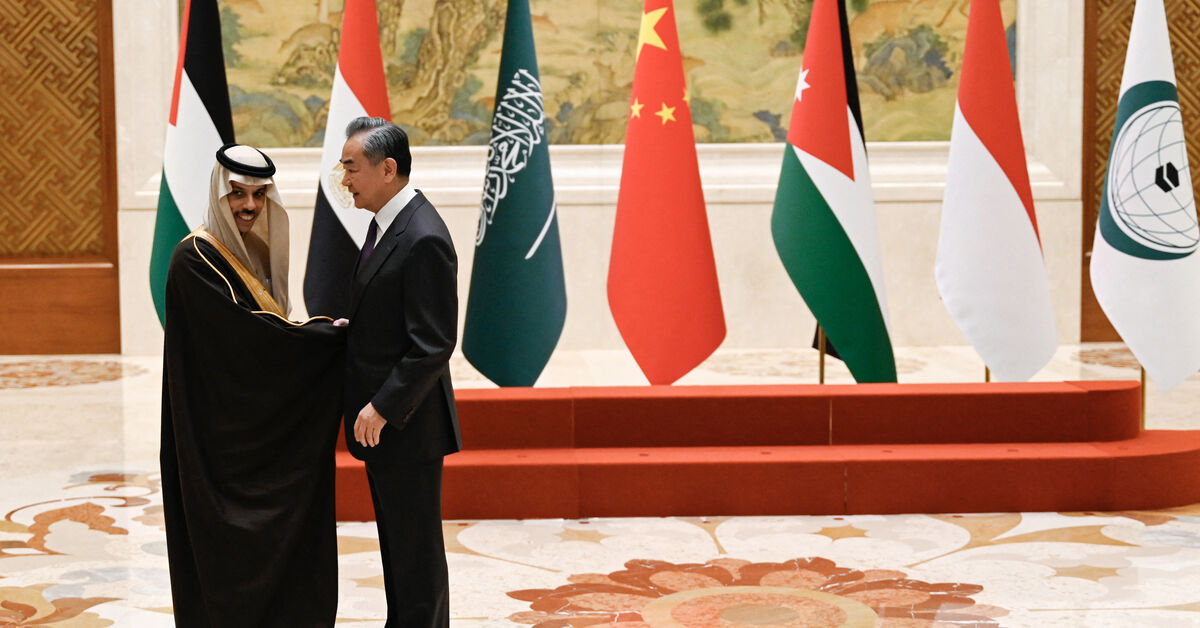
Saudi Arabia is navigating a complex geopolitical landscape, choosing to distance itself from U.S. pressures to normalize relations with Israel while simultaneously exploring deeper ties with China. This evolving dynamic highlights the kingdom’s strategic pivot amid regional uncertainties and changing dynamics.
Saudi Relations with Israel and the United States
Riyadh has firmly rejected U.S. calls to establish formal relations with Israel, intensifying its critique of the current Israeli administration. Despite a pledged contribution of $1 billion to Donald Trump’s envisioned Board of Peace, reports from late May suggest that Saudi Arabia has yet to fulfill this commitment. Additionally, the kingdom has retracted financial support for LIV Golf after its 2026 season and pulled out of a proposed investment arrangement with the Metropolitan Opera. This retreat indicates a broader reassessment of its international engagements and financial commitments in response to regional pressures.
The Role of China in Saudi Foreign Policy
For Saudi Arabia, engagement with China represents more than mere diplomacy; it signifies a vital partnership that could reshape military and economic collaborations. Firas Maksad, a key analyst at the Eurasia Group, notes that Riyadh’s dialogue with Beijing comes as it navigates its strategy towards Iran. China wields significant influence over Iran and played a crucial role in facilitating the normalization of Saudi-Iranian relations in 2023. As both countries confront evolving regional dynamics, it’s increasingly logical for Saudi Arabia to seek counsel and coordination with China.
Maksad further elaborates that China’s diplomatic presence could aid Saudi Arabia and other Gulf nations in crafting a path forward amidst tensions with Iran. As Riyadh aims to diversify its foreign policy and reduce reliance on the U.S., hosting reconciliation talks between Gulf nations and Iran reflects a broader strategy of self-reliance and strategic independence.
Strengthening Economic Ties with China
The burgeoning relations between Saudi Arabia and China are not limited to political and diplomatic spheres. Economic cooperation is also deepening significantly. Reports from March revealed a $5 billion deal between the two nations to create a production facility for Wing Loong-3 combat drones in Jeddah, operated in collaboration with the Aviation Industry Corporation of China and the Saudi General Authority for Military Industries. Although details remain under wraps, such agreements underscore a committed shift towards securing military capabilities and enhancing defense-related industries domestically.
In June, Saudi Arabia solidified its partnership with China by signing six agreements worth over $506 million focusing on development and housing projects in cities like Riyadh and Dammam. This economic collaboration underlines Saudi Arabia’s intent to leverage its strategic position for enhanced infrastructural and industrial growth, further integrating its economy with China’s growing influence.
Evaluating Regional Security Dynamics
The ongoing conflict with Iran has undeniably impacted U.S. credibility within the Gulf region, compelling Saudi Arabia and neighboring states to reconsider their security architectures. The presence of Iranian drones and missiles has heightened concerns, driving Riyadh to explore partnerships that can provide additional security leverage against a volatile Iranian regime. While Saudi Arabia is not entirely severing ties with the United States, the lessons learned from recent conflicts highlight the vulnerabilities of depending solely on one global power for security.
As Saudi Arabia seeks to re-establish itself within a shifting geopolitical landscape, it is clear that the kingdom is strategically exploring new alliances and diversifying its foreign policy initiatives. This transition denotes not only a response to current regional challenges but also a proactive approach to securing its interests for the future, strengthening its position both regionally and on the global stage.