
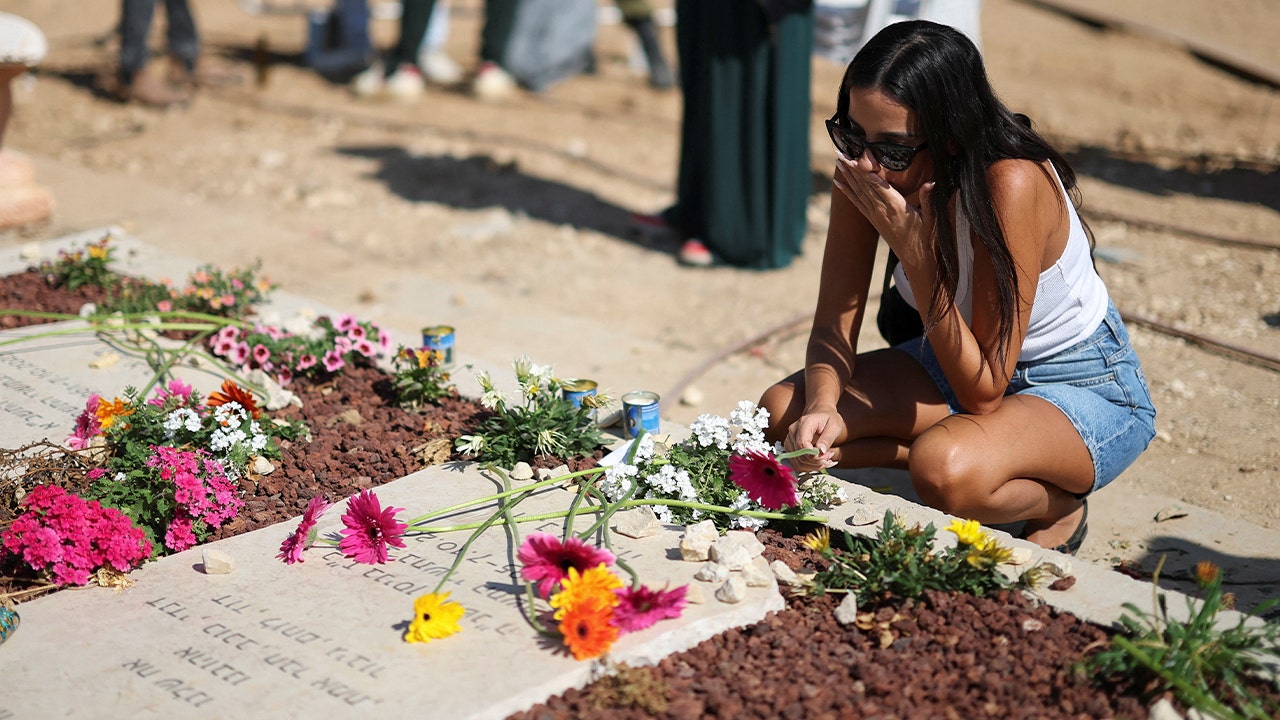
In Israel, the scars of conflict continue to shape the lives of children as the nation acknowledges 1,000 days since the tragic Hamas-led massacre on October 7, 2023. Many children are now facing the start of their summer vacations, yet the specter of ongoing violence and rising antisemitism creates a complicated backdrop, leaving families torn between hopes for normalcy and the realities of living amid uncertainty.
Striving for Normalcy Amidst Chaos
Lilach, a 47-year-old resident of Kibbutz Eilon, located just over a mile and a half from the Lebanese border, shares her aspirations for her children—Yuval, Amit, and Yoni—to experience a joyous summer. During the height of the conflict, outdoor activities were overshadowed by fear; children were mostly confined indoors and away from school. Lilach hopes her children can finally enjoy friendships and recreational activities, mentioning a planned visit to an amusement park as a sign of returning joy.
The challenges of disrupted education over the past few years have taken a toll on Lilach’s family. With only one uninterrupted year of school since the onset of the COVID-19 pandemic, learning has been fraught with interruptions due to ongoing conflicts involving Iran and Hezbollah. Children have repeatedly faced the unsettling reality of returning to their studies only to be pulled away once more due to violence.
The Psychological Toll on Children
This tumultuous environment has deeply affected children’s mental health. Lilach’s daughter Amit persevered and graduated high school, aided by private tutoring. However, Yoni, who has attention deficit disorder, struggled particularly with the constant instability and the challenges of online learning during lockdowns. Another resident, Anat, whose family evacuated after the October attacks, reported her children transferring schools multiple times before returning home in early 2025. Such frequent changes wreak havoc on a child’s sense of stability and routine, which are crucial for emotional safety and learning.
Nufar Bar Lipshatz, a developmental psychologist, explains that many children are exhibiting symptoms of trauma, with studies indicating that a significant majority of Israeli children show signs of emotional distress. The play patterns of children, often mimicking experiences of running to shelters or enacting scenes from their traumatic experiences, reveal the lasting impacts of conflict.
Efforts for Continued Support and Healing
Despite these challenges, summer offers an opportunity for respite. The Israeli Ministry of Education is introducing summer programs focused on educational continuity in crucial subjects like mathematics and STEM, reaching approximately 1.12 million students. Additionally, emotional support services through psychological counseling and summer camps specifically designed for children impacted by conflict are being organized.
Non-profit organizations such as OneFamily host summer camps that provide safe spaces for children who have lost family members to violence or war. These camps foster resilience through therapeutic group activities, allowing children to bond over shared experiences of grief. Activities at these camps give children a platform to connect and share their stories, helping to mitigate feelings of isolation often experienced after trauma.
In summary, while children in Israel strive for a semblance of normalcy amidst ongoing conflict, supportive measures are crucial for their emotional and educational well-being. The resilience demonstrated by these young individuals serves as a testament to their ability to persevere, reminding us that even in the face of hardship, the spirit of childhood can still shine brightly.