
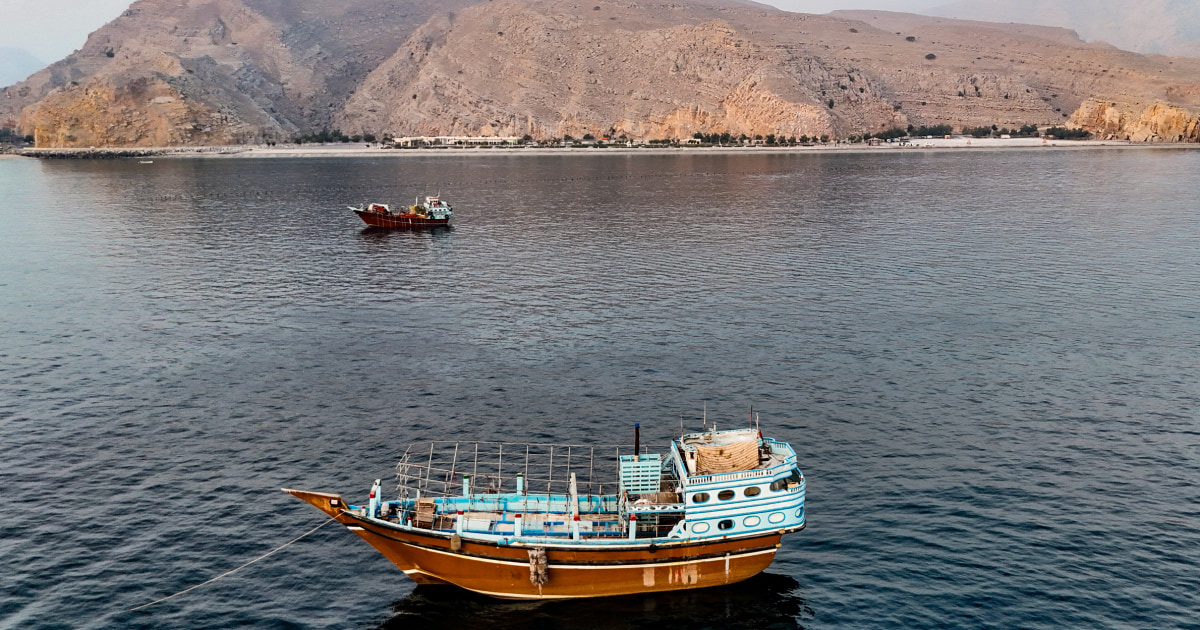
Iran and Oman have put forth a proposal to the U.S. regarding the management of the vital Strait of Hormuz. This plan suggests a collaborative approach for collecting administrative fees by both countries, a topic that raises significant implications for international shipping and regional politics.
Understanding the Proposal
The proposal emphasizes a potential system for managing the Strait of Hormuz, which is critical for global oil and gas transport. Following a memorandum signed between the U.S. and Iran, there is an agreement for a 60-day period during which ships can transit the strait without restrictions. After this period, the specifics of the administrative roles will be defined by discussions between Iran, Oman, and other nations in the Persian Gulf. This plan aims to ensure smooth and secure maritime transit while addressing the financial implications of maintaining this key waterway.
Oman’s Stance on Fees
Omani Foreign Minister Sayyid Badr bin Hamad Al Busaidi has made it clear that Oman does not support imposing mandatory fees on vessels traversing the Strait of Hormuz. Instead, he has differentiated between mandatory tolls and voluntary contributions from shipping companies to help manage and sustain the waterway. He referenced models used in regions like the Strait of Malacca as examples of how such a system might function without burdening ship operators.
U.S. Reaction and Concerns
Reports indicate that the proposal has reached U.S. negotiators, who have expressed concerns but remain open to discussions with their Omani counterparts. The American team values its relationship with Oman and believes that any differences regarding the proposal can be settled at a technical level. A senior U.S. official noted that the proposal lacks provisions for mandatory tolls, aligning it with existing international laws stating that no fees should be imposed on international waterways.
International Implications and Future Considerations
If this proposal were to take effect, it would represent a significant shift from the current situation, where vessels transporting roughly 20% of the world’s oil and natural gas move through the strait without any fees. U.S. Secretary of State Marco Rubio emphasized that the imposition of such fees contradicts international law governing maritime navigation, which is a point of contention that is still under negotiation. The approach suggests that any fees discussed would involve coordination with the international community, particularly through organizations like the International Maritime Organization.
The outcome of these discussions will have implications not only for regional stability but also for global energy markets. As both nations continue to debate the proposal, they must weigh the economic benefits of potential revenue against the need to maintain free and unobstructed navigation in one of the world’s busiest maritime routes.