
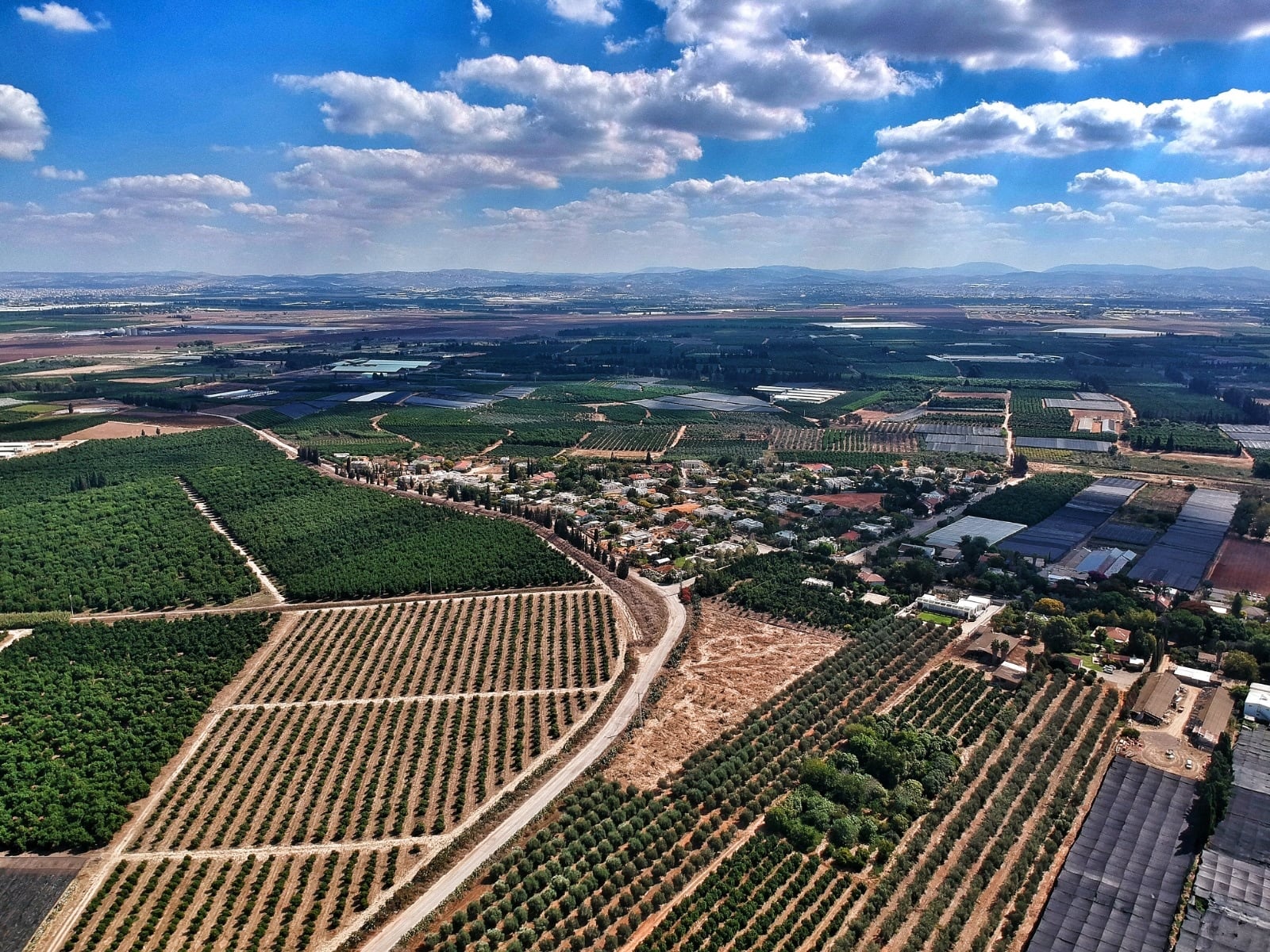
Rural Communities in Israel Resist Gas-Fired Power Plants
Recent discussions around a state initiative to construct 13 new gas-fired power plants have stirred significant controversy within rural areas. This program allows developers to negotiate directly with local farming communities and kibbutzim for land acquisition, even for projects that may ultimately not be executed.
Local Opposition to Power Plant Proposals
Negotiations are currently in progress to build four of these facilities within or adjacent to the Hefer Valley Regional Council in central Israel. Local authorities have already advised communities approached by developers to reject these proposals. The friction surrounding this initiative is palpable and has even led to personal conflicts within communities. For example, at Kibbutz Givat Haim Meuhad, the chairman’s young son faced bullying after his father backed a power plant on kibbutz land, prompting the kibbutz to narrowly vote against the project.
Conversely, Kibbutz Givat Haim Ihud, which split from the original kibbutz in 1952 due to political tensions, voted against the same proposal by a significant margin. Funding for the potential developments comes from London-based billionaire Idan Ofer, highlighting the scale of private investment in these ventures.
Israel’s Renewable Energy Goals
Israel lags behind its set objectives for renewable energy, particularly in terms of solar initiatives. The plan to build additional gas-fired plants aligns with Government Decision 2282 ratified in October 2024, aiming to secure energy continuity until 2040. This decision emphasizes infrastructure development for renewables in peripheral regions while focusing gas operations in central areas where the majority of the population resides.
An unmade report by an interministerial team led by the Energy Ministry suggested that at least 13 gas-fired power plants should be established across six designated districts. Instead of clearly outlining where these facilities should be located, the government opened the process for private entrepreneurs to negotiate with landowners and present deals to the fast-track planning committee known as Vatal, which will select the final projects.
Environmental and Health Concerns
The Hefer Valley Regional Council has expressed serious concerns about the environmental and health risks associated with building multiple gas-fired power plants in proximity to one another. Council head Galit Shaul warned of an “unprecedented environmental and health disaster,” citing the risks that such facilities could pose as potential targets for military attacks.
The existence of numerous gas-fired power plant proposals in the Hefer Valley area exacerbates community concerns. So far, Moshav Beit Yanai has given the green light to Shamir Energy’s proposal, and the Mekorot water company aims to develop a small plant to support desalination efforts. Additionally, two real estate moguls in the neighboring Menashe Regional Council have detailed plans for a 700-megawatt facility, further contributing to the regional congestion.
Community Reactions and Future Implications
Local opposition against gas-fired projects has incited significant backlash among residents, as highlighted by Erez Magal, chairman of Kibbutz Givat Haim Meuhad. He faced severe backlash against his pro-development stance, claiming that the rhetoric from the council has polarized public opinion and led to issues affecting children in the community.
Energy Ministry officials maintain that new gas-fired facilities are essential to meet the rising electricity demands from a growing population and emerging technologies. Currently, 10 operating gas plants supply approximately 70% of Israel’s electricity, with plans for further developments aimed at ensuring energy stability while still pushing for quicker advancements in renewable energy solutions.
In conclusion, while the push for additional gas-fired power plants aims to ensure energy continuity, it has ignited intense opposition and multifaceted challenges in rural Israeli communities. The ongoing developments underscore the delicate balance between energy needs and the well-being of local populations.