Cairo recently announced a significant archaeological discovery—a remarkably preserved Byzantine-era residential city located in the Dakhla Oasis. This finding, along with additional discoveries at the Marina el-Alamein archaeological site near Alexandria, is welcomed news by the Egyptian government, which hopes to invigorate its tourism sector. The country relies heavily on antiquities tourism, alongside the strategic Suez Canal, for foreign currency earnings, making these discoveries all the more crucial given Egypt’s ongoing economic challenges.
Insights into Daily Life in Byzantine Times
The Egyptian Ministry of Tourism and Antiquities revealed that the discovery at Dakhla Oasis dates back to the fourth century, highlighting aspects of daily life, urban planning, and economic activities during a time when Egypt was under Byzantine influence. The excavation revealed a network of streets oriented in both north-south and east-west directions, forming public squares and open areas, noted Hisham el-Leithy, Secretary General of the Supreme Council of Antiquities.
One of the standout features of this site is a basilica church from the mid-fourth century, which overlooks the main thoroughfares. Additionally, remnants of two watchtowers were discovered, suggesting that the settlement was well-defended. This oasis, located in Egypt’s New Valley province, has been placed on UNESCO’s Tentative List, positioning it close to gaining World Heritage status.
Significant Artifacts Uncovered
Among the architectural finds, archaeologists encountered a fortified structure surrounded by thick walls, along with numerous residences featuring vaulted roofs and grand reception halls. Notable discoveries include the House of Tisous, which is believed to have functioned as a house church for a deacon before the basilica’s construction.
The excavation also yielded numerous everyday items such as bread ovens, kitchens, and stone grinding implements, indicating food production activities. Coins made of bronze, inscribed with the images of Byzantine emperors and Christian symbols, were found alongside a collection of gold coins from the reign of Roman Emperor Constantius II. Furthermore, Diaa Zahran, who oversees the Islamic, Coptic and Jewish Antiquities department, reported the discovery of approximately 200 pottery fragments containing inscriptions that reflect commercial transactions and daily communications.
Additional Discoveries at Marina el-Alamein
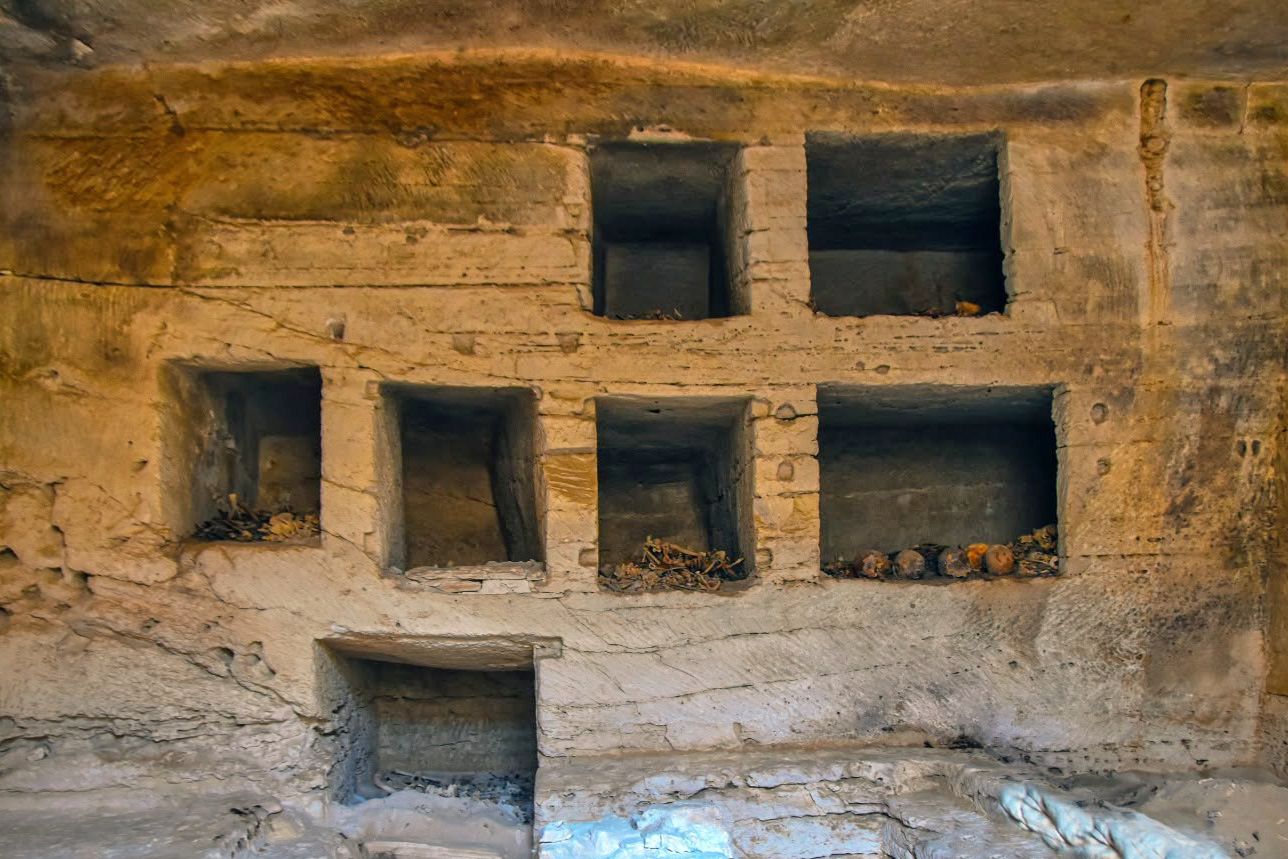
In a separate find, archaeologists uncovered 18 ancient tombs at the Marina el-Alamein site, located roughly 62 miles west of Alexandria. This discovery includes 11 rock-cut tombs, approximately 8 meters deep, and seven others built from limestone, raising the total number of tombs excavated at this site to 48. Excavations yielded a variety of artifacts such as pottery vessels, amphorae, and limestone basins, all indicative of the area’s rich historical tapestry.
Eman Abdel-Khaliq, the mission lead, shared that a granite sarcophagus measuring 2.5 meters was discovered, along with skeletal remains currently undergoing study. Close to this sarcophagus, they found remnants of a plaster sphinx statue, adding another layer of historical significance to the site. Additionally, four gold pieces placed within the mouths of some deceased individuals were identified, in keeping with ancient funerary customs known as “the golden tongue.”
Egypt is witnessing a resurgence in its tourism industry after years of turmoil and the impacts of the COVID-19 pandemic. Last year, a record 19 million tourists visited, reflecting a 21% increase from the previous year. The first quarter of this year saw 6.1 million tourists, up from 5.7 million during the same period in 2025. These archaeological finds and the resultant interest in Egypt’s rich history are pivotal in sustaining this positive trend in tourism, helping to restore Egypt’s reputation as a treasure trove of ancient wonders.