
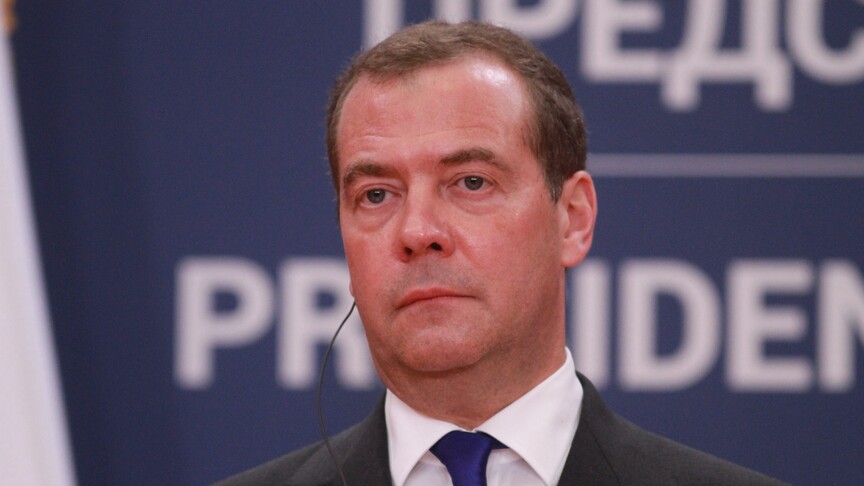
Dmitry Medvedev, the Deputy Chairman of Russia’s Security Council, recently emphasized the significant strategic power Iran has within the Strait of Hormuz, comparing it to the impact of a nuclear weapon. Medvedev, speaking to journalists following his visit to Iran, highlighted that Iran’s ability to control shipping routes through this critical waterway demonstrates the nation’s substantial influence in regional dynamics, especially in times of conflict.
The Importance of the Strait of Hormuz
The Strait of Hormuz serves as a vital conduit for global oil and commercial shipping, with a substantial percentage of the world’s petroleum passing through this narrow passage. Medvedev warned that should regional hostilities escalate, Iran could potentially disrupt shipping traffic through both the Strait of Hormuz and the Bab el-Mandeb Strait. Such actions would not only have dire implications for the energy market but also may create a wider economic ripple effect, halting essential trade routes.
“I hope it does not come to that,” Medvedev remarked, urging nations engaged in regional tensions to keep this potential scenario in mind. He asserted that any military escalation would not be in anyone’s best interests and called for efforts toward diplomacy instead.
Criticism of U.S. Actions Against Iran
Medvedev also took the opportunity to disparage recent U.S. military strikes on Iranian targets, describing them as “completely unprovoked.” He argued that these actions are unjustified, particularly as the U.S. and Iran engage in diplomatic talks. According to him, these attacks violate international law and detract from meaningful negotiations regarding Iran’s nuclear program, something Russia has previously sought to address through peaceful avenues.
He stated, “negotiations are preferable to conflict,” but acknowledged that reaching a comprehensive agreement would be exceptionally challenging. Key issues such as sanctions relief and financial support for Iran’s rebuilding efforts remain contentious points of discussion that complicate the path forward.
Proposal for Coordination Among Sanctioned Nations
During his discussions with Iranian President Masoud Pezeshkian, Medvedev introduced the idea of establishing a platform for nations subjected to international sanctions. This initiative, initially proposed by Tehran years ago, aims to foster cooperation amongst sanctioned countries to oppose what Moscow labels as “illegal” restrictions. The proposal may evolve into a formal agreement or coalition that brings together these nations, emphasizing solidarity in the face of punitive measures.
This framework not only reflects the growing need for nations to support each other in times of imposed sanctions but also serves to underline the intricate geopolitical relationships that shape the Middle East. Medvedev’s visit and discussions indicate a deliberate effort by Russia to reaffirm its role as a key player in Middle Eastern diplomacy, particularly amid escalating tensions following a shocking attack that claimed the life of former Supreme Leader Ali Khamenei.
As the region grapples with the aftermath of these developments, the international community will need to monitor the evolving situation closely. Russia appears committed to bolstering its alliances in the region while advocating for dialogue over military confrontation. With tensions high, the strategic significance of Iran and its capabilities within the Strait of Hormuz is likely to remain a focal point in discussions regarding Middle Eastern stability and global energy security.