
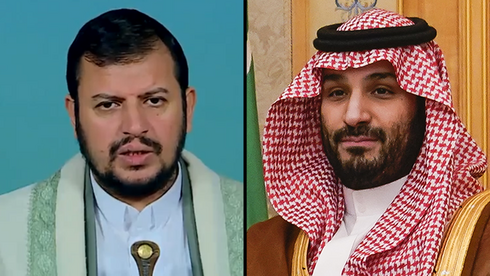
The conflict in Yemen has escalated once again, with the Houthi movement recently accusing Saudi Arabia of violating its airspace. As tensions rise, the Houthis have made threats to retaliate against any further actions they deem aggressive. This situation is a continuation of a complex and longstanding conflict that has caused severe humanitarian crises and geopolitical instability in the region.
Houthi Claims and Saudi Response
Houthi military spokesperson Yahya Saree claimed that the group had successfully confronted Saudi fighter jets that allegedly attempted to obstruct an Iranian civilian aircraft headed for Yemen’s capital, Sanaa. In a strongly worded statement, Saree warned Saudi Arabia against further incursions, suggesting that any further aggression would elicit a robust response targeting key Saudi infrastructure, including airports and maritime assets. The Houthis have indicated that flights between Sanaa and Tehran will persist, highlighting their logistical ties with Iran.
The Al-Masirah channel, affiliated with the Houthis, asserted that the Iranian passenger plane was carrying 200 individuals in need of medical attention. This aircraft not only managed to land in Sanaa but also took off afterward, carrying an official delegation from the Houthis, who were set to attend the funeral of Iran’s former Supreme Leader, Ali Khamenei. Such incidents amplify the complex interplay between Iran, the Houthis, and Saudi Arabia, underlining the stakes involved in this multifaceted conflict.
The Broader Context of the Conflict
Saudi Arabia’s intervention in Yemen began in 2015, following the Houthi takeover of the capital, Sanaa, which was seen as a significant threat to Riyadh’s national security and regional power. This led to a coalition of Arab nations joining forces to conduct airstrikes, impose a naval blockade, and support Yemen’s internationally recognized government. Despite years of military action, the coalition has struggled to eliminate the Houthi threat, as the group maintains control over large areas in northern Yemen. Furthermore, the Houthis have repeatedly launched missile and drone strikes targeting various Saudi cities, airports, and critical oil facilities.
The protracted conflict has resulted in one of the worst humanitarian crises in the world, with millions facing famine and disease. The coalition’s actions have attracted international condemnation due to collateral damage affecting civilians and critical infrastructure.
Shifts in Saudi Strategy
In recent times, specifically starting in 2022, there has been a notable shift in Saudi Arabia’s approach towards the conflict. The kingdom has started to engage in direct communication with the Houthis and took significant steps to restore ties with Iran by 2023. This diplomatic pivot emphasizes a desire for de-escalation and indicates that both sides are exploring avenues for a political settlement.
As the conflict continues, relative calm has emerged along the border, marking a stark contrast to previous years of intense fighting. Saudi Arabia is now more focused on stabilizing Yemen through economic assistance and supporting the Yemeni government’s governance. However, despite these efforts, a full peace agreement remains elusive. The ongoing situation emphasizes the complexities of regional politics and the dire need for a resolution that can bring lasting peace to Yemen.