
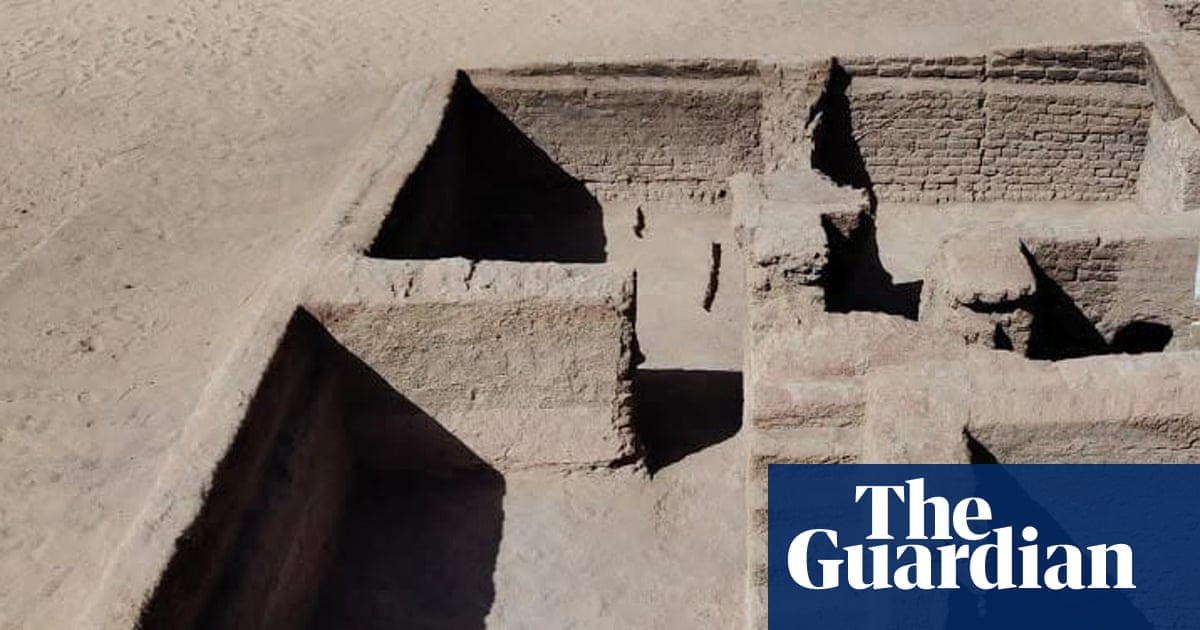
Archaeologists in Egypt have made a significant discovery: an exceptionally well-preserved Byzantine city dating back to the fourth century in the western desert. This find reveals essential insights into urban life during a time when Egypt was under Byzantine influence. The excavation has yielded a wealth of artifacts, including coins, pottery shards, and tools, propelling interest in Egypt’s rich historical tapestry.
Discovering Byzantine Urban Life
The newly uncovered city, located in the Dakhla Oasis, showcases a complex layout featuring north-south roads intersected by east-west streets. These pathways form public squares and communal areas that highlight the urban planning of the era. Notably, a basilica-style church stands at the heart of the settlement, overlooking the primary streets. The presence of two defensive watchtowers further elucidates the architectural sophistication employed to protect the community from potential threats. These insights help us understand daily life, social interactions, and the economic framework during the Byzantine period in Egypt.
Artifacts That Tell a Story
Among the significant finds are numerous artifacts, including bread ovens, cooking facilities, and stone grinding tools. Archaeologists also unearthed bronze coins adorned with the images of Byzantine emperors, as well as inscriptions that showcase the dual nature of daily life—commercial transactions and religious practices. One notable discovery is a collection of approximately 200 pottery fragments, known as ostraca, which contained various inscriptions detailing daily activities and correspondence. Such discoveries enrich our understanding of the socio-economic dynamics during this fascinating historical period.
Tombs that Unravel Ancient Beliefs
In addition to the urban site, a separate excavation at Marina el-Alamein, near Alexandria, revealed 18 ancient tombs comprising rock-cut and limestone structures. This location is about 62 miles west of the Mediterranean coast and has been a focal point for archaeological studies since its discovery in 1986. The total number of tombs at the site has now surged to 48. Among the items found within these tombs are pottery vessels, altars, and lamps, reflecting the funerary practices and beliefs of the era.
A granite sarcophagus measuring 2.5 meters long was also discovered, containing skeleton remains that are currently under study. Notably, the practice of placing gold pieces, often referred to as “the golden tongue,” inside the mouths of the deceased was observed. This ritualistic custom underscores the spiritual beliefs surrounding death and the afterlife during that time. The Marina el-Alamein site is believed to be linked to the ancient Greco-Roman port city of Leukaspis, further contextualizing the historical significance of the finds.
Significance of the Findings
These discoveries underscore the ongoing importance of archaeological work in Egypt. The artifacts and structures unearthed provide invaluable insights into the life and culture during the Byzantine period. Furthermore, the Dakhla Oasis is on UNESCO’s tentative list for World Heritage status, which could enhance global interest in the site, promoting tourism and preservation efforts.
In summary, the recent findings in both Dakhla and Marina el-Alamein not only illuminate the rich history of Egypt’s Byzantine past but also promote a greater understanding of the sociocultural dynamics that existed during that time. The careful excavation and documentation of these sites will continue to shape our understanding of this era and its lasting impact on civilization.