
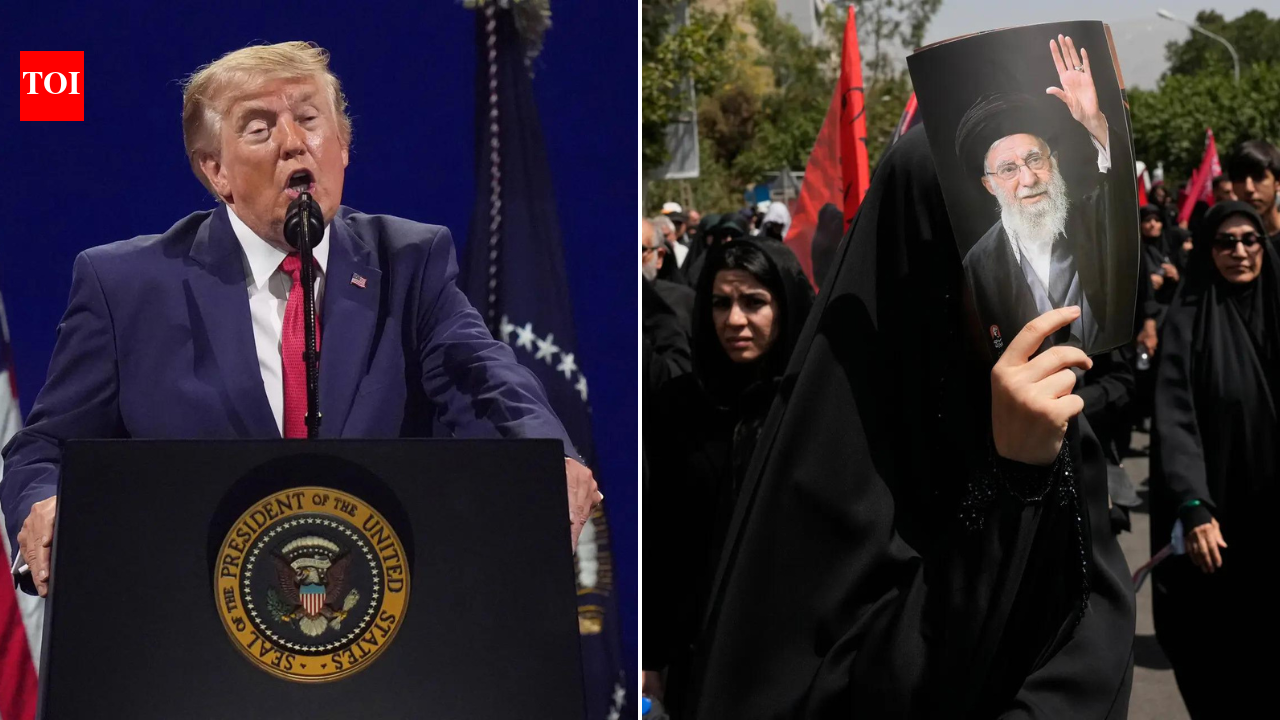
US President Donald Trump made significant remarks regarding Iran’s leadership during the funeral of the late Supreme Leader Ayatollah Ali Khamenei. His comments focused on the vulnerability of Iranian officials, suggesting they were easily reachable targets but emphasizing the importance of maintaining diplomatic channels for future negotiations. Despite the tension, Trump indicated that discussions would resume following a brief pause due to the mourning period.
Trump’s Bold Statements on Iranian Leadership
During a conversation with Axios, Trump was clear about the pause in diplomatic activities, attributing this to the week-long funeral ceremonies occurring in Iran. He noted that both the U.S. and Iranian governments had agreed not to escalate tensions during this timeframe, stating, “Neither side will shoot at the other.” This mutual understanding underscores the complex relationship between the two nations, as they both face the challenge of maintaining dialogue even amidst heightened emotions.
Trump’s candid observations on the public mourning in Tehran revealed unexpected insights. He expressed surprise at witnessing widespread grief among the Iranian people, suggesting he had anticipated a different reaction, given the negative sentiments many hold toward Khamenei. His remark, “Maybe it’s fake tears,” indicates a skepticism about the authenticity of the mourning, highlighting the complicated public sentiment in Iran toward its leaders.
Funeral Highlights and Public Sentiment
Tens of thousands of Iranians gathered at Tehran’s Imam Khomeini Grand Mosalla to pay their last respects to Khamenei, marking the height of a state-organized mourning period. The atmosphere was charged with emotion, as mourners donned black attire, waved Iranian flags, and chanted slogans such as “Death to America.” The funeral not only served as a tribute to Khamenei but also as a powerful demonstration of loyalty to the Islamic Republic, combining elements of national pride and collective grief.
Amid this emotional backdrop, Trump cautioned against targeting those present at the funeral, reiterating, “They are all there. One shot [and we can take them all out], but we are not going to do that because then we would have nobody to negotiate with.” This duality reflects the precarious balance of power that both nations are attempting to navigate, emphasizing the underlying need for negotiation even while tensions run high.
A Call for Retaliation and Future Implications
While attending the funeral, many mourners expressed a desire for vengeance against the United States, a sentiment echoed by 40-year-old mourner Arash Rahimi, who articulated that their “blood feud with the United States” will forever influence relations. Such declarations illustrate the deep-seated animosity that persists, further complicating any chances for future diplomatic relations. This emotional response among the populace signals the intricate challenges ahead for both governments as they attempt to broker a ceasefire and resume negotiations.
As Iran’s leadership faces this pivotal moment, they find themselves at a crossroads. The clerical establishment has had to navigate the fallout of conflict while dealing with new leadership dynamics in the wake of Khamenei’s death. Following the cessation of talks, the world is now watching closely to see how both the U.S. and Iran proceed post-funeral, with expectations that negotiations may kick back into gear after July 9, if a lasting ceasefire is upheld.
In conclusion, Trump’s statements and the subsequent public response at Khamenei’s funeral highlight the fragile state of U.S.-Iran relations. Both nations are caught in a complex web of diplomacy, public sentiment, and historical animosity, underscoring the arduous road ahead for any form of reconciliation.