
The Crisis in Sudan: A Call for Immediate Action
Sudan is facing an alarming humanitarian crisis that demands urgent attention from the international community. Massad Boulos, a senior advisor in the Trump Administration regarding African affairs, recently addressed the United Nations Security Council, warning that the city of El Obeid is on the verge of becoming another El Fasher. This situation has escalated amid an ongoing civil war characterized by brutal conflict between the Sudanese Armed Forces (SAF) and the Rapid Support Forces (RSF), a paramilitary group that has been implicated in heinous human rights abuses.
The Dire Consequences of Conflict
El Fasher, a major city in Darfur, recently fell to the RSF, resulting in the tragic death of over 6,000 civilians within just three days of violence. The United Nations raised alarms, describing the events as bearing the “hallmarks of genocide.” In 2024, the Biden administration officially recognized the RSF’s actions as genocidal in other regions of Darfur, further complicating the situation for civilians. As tensions escalate in El Obeid, the U.S. Treasury Department has imposed sanctions on both sides of the conflict, highlighting the dire need for concerted international action.
As Boulos alerted the Security Council, at the same time, U.S. officials hinted at the potential for “mass atrocities” in El Obeid, making it clear that immediate intervention is essential. However, these warnings come amidst a backdrop of political inaction and complex regional dynamics, as international stakeholders like the UAE support the RSF while Egypt and Turkey have taken sides with the national army.
Global Inaction Amidst Urgency
The RSF is targeting El Obeid for its strategic importance, linking key areas of Sudan. The city has faced relentless drone strikes that have decimated its infrastructure, including vital resources like food and water, leading to a looming hunger crisis. With food prices soaring, the prospects for civilians are grim. Despite joint statements from the UK and various European governments urging immediate intervention, political will remains absent.
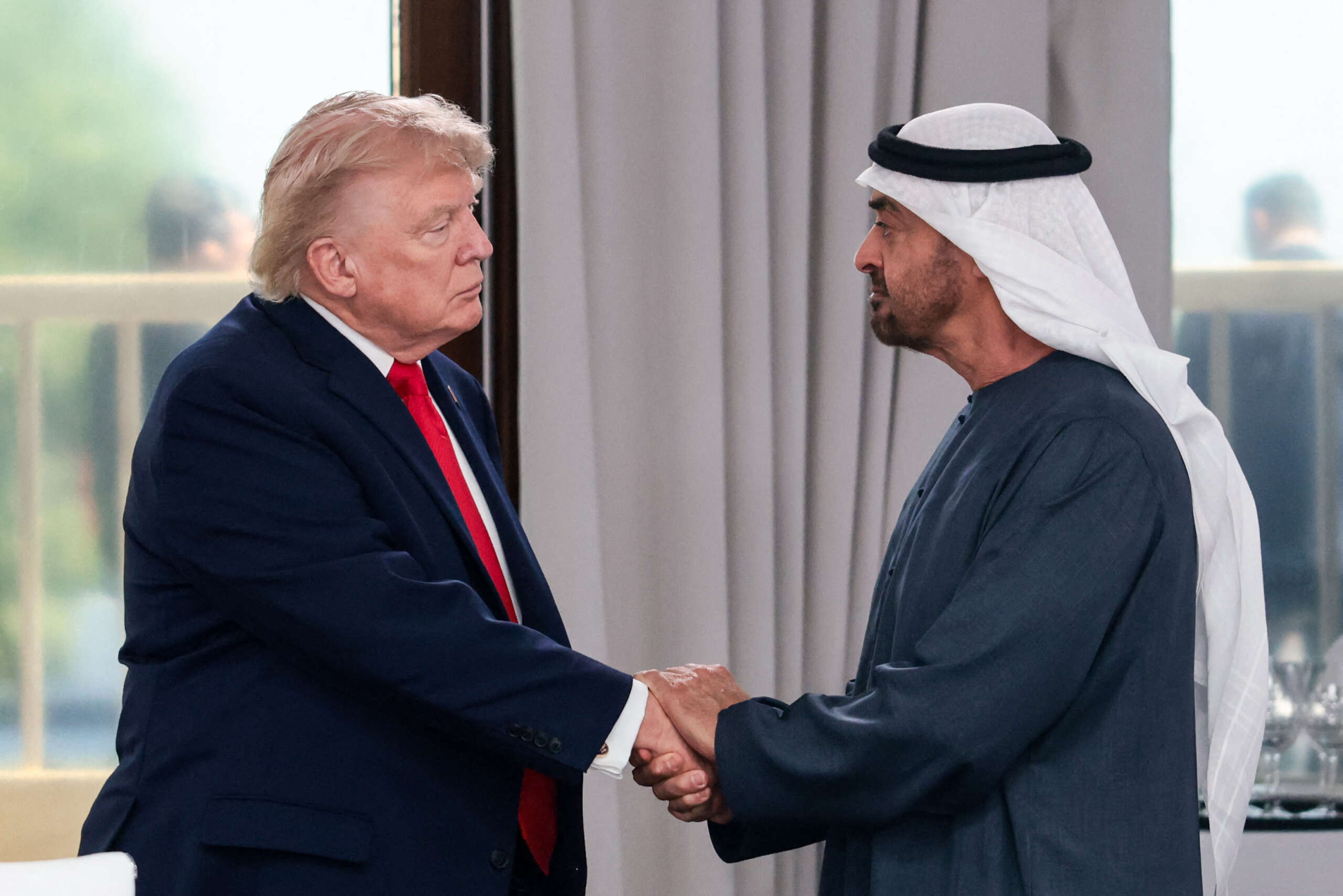
Many view the situation within the context of U.S.-UAE relations, as both countries prioritize their strategic interests over humanitarian concerns. The UAE’s role in supplying arms and supporting the RSF has become a contentious topic, yet the U.S. continues to foster economic ties without imposing significant consequences. Testimonies reveal that the U.S. has actively suppressed evidence of UAE involvement in the Sudanese conflict to maintain favorable diplomatic relations.
Congressional Responses and Challenges
In response to the escalating crisis in Sudan, there have been attempts within the U.S. Congress to hold parties accountable. Legislative measures, such as the U.S. Engagement in Sudanese Peace Act, aim to mandate accountability for countries supplying arms to the RSF. However, the presence of presidential waivers allows for bypassing these regulations if deemed against national interests, thereby limiting their effectiveness.
Despite the Congressional intent to safeguard civilians, the administration’s weak stance has left many feeling vulnerable. Proposed amendments to bar arms sales to the UAE were defeated, underscoring the overwhelming priority given to geopolitical alliances over humanitarian needs. The stark reality remains that civilians in El Obeid, much like those in El Fasher before them, could soon face catastrophic consequences if international powers do not change their approach.
A Call to Action
It is crucial for the global community to prioritize human rights and intervene decisively before El Obeid becomes the next site of mass atrocities. As civilians listen for the ominous sounds of drones overhead, the world must respond with urgency—not just words, but actions that align geopolitical interests with the immediate needs of those suffering in conflict. The need for a unified international response to prevent another tragedy is imperative.