
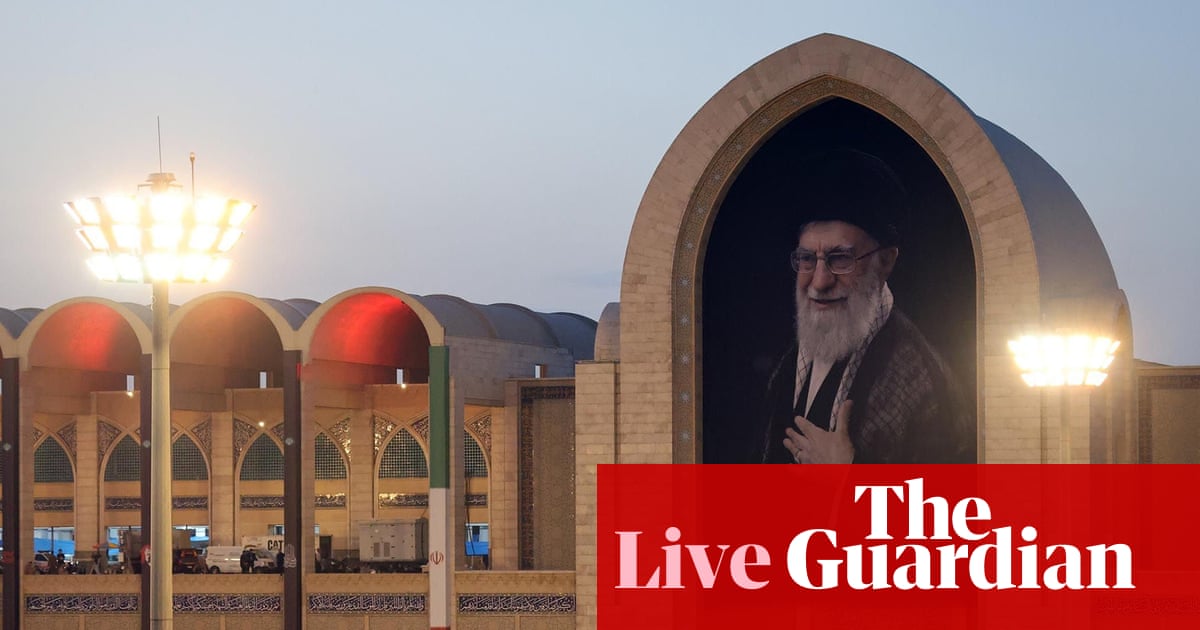
The world witnessed a significant moment in Iran today as millions gathered in Tehran to pay their last respects to the late supreme leader, Ali Khamenei. This mass funeral procession marks the beginning of a six-day mourning period, during which the country grieves a leader whose tenure was marked by substantial political and military influence.
Massive Gatherings in Tehran
The scale of the gathering is unprecedented; thousands have poured into the capital from various regions and cities throughout Iran. Streets have been lined with mourners as they prepared for the procession, reflecting both a deep sense of loss and political fervor. This event is not merely a funeral; it symbolizes a collective demand for retribution. Khamenei was killed earlier this year in an airstrike believed to be coordinated by the U.S. and Israel. Interestingly, his death prompted calls for revenge against the United States, underscoring the continued tensions in the region.
Political Undertones of the Funeral
According to on-the-ground reports from correspondents, the atmosphere at the session of prayers was electrifying but somber. Patrick Wintour of The Guardian described the gatherings at Imam Khomeini Grand Mosalla as a political spectacle, blending sorrow with intense calls for justice. Such events often provide a platform for expressing national sentiments, pushing for retaliatory actions against perceived enemies. The emotional rhetoric has reignited discussions surrounding U.S.-Iran relations, which have been turbulent for decades.
The Journey of Mourning
Today’s procession follows several days of public memorial services, where emotions ran high, including explicit calls for violence against former U.S. President Donald Trump. The coffins of Khamenei and family members who lost their lives in the airstrikes will traverse the city over an extended 12-hour period, culminating at Mehrabad International Airport. This journey reflects not just a farewell but also a significant national event where each stop is steeped in importance and poignancy.
A Nation in Mourning
Since Saturday, daily routines have ground to a halt across Iran, as the government declared a national period of mourning. Streets have been closed, and airspace restricted, highlighting the significance of this event for the populace. The mourning culminates on Thursday, when Khamenei will be laid to rest at the Imam Reza Shrine in Mashhad, his birthplace. This final resting place holds a special significance, tying into the religious and cultural history of the country.
Throughout this period, the attention will not solely remain on the funeral events. As Iran mourns, hostilities in neighboring regions continue to unfold, specifically in Lebanon and Palestine. The mood of sorrow is intertwined with the ongoing geopolitical struggles, making this moment even more complex and layered. As the procession winds through Tehran, the world watches not just out of respect but also with a keen interest in the political ramifications that may follow.