
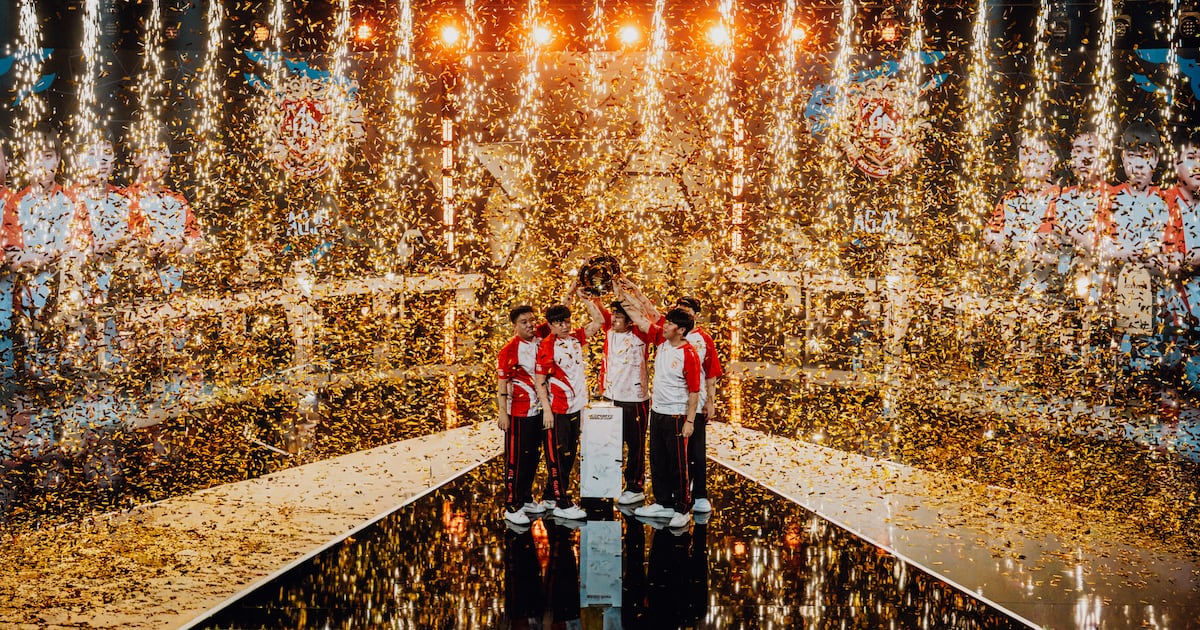
The Esports World Cup is making a significant transition from Riyadh to Paris, an important step in its evolution. After two successful years in the Saudi capital, this upcoming tournament marks a pivotal moment for the event, which has garnered attention with its extravagant prize pool and massive global viewer engagement. As the competition shifts location, questions arise regarding its ability to retain the same level of excitement and scale outside its original host city.
New Beginnings in Paris
The Esports World Cup will unfold in Paris from July 6 to August 23, representing its first-ever foray outside Saudi Arabia since its inception in 2024. This relocation is not merely a logistical shift; it symbolizes a broader strategy to expand the event into various international markets. Mike McCabe, the deputy chief executive and chief operating officer of the Esports Foundation, stated that this decision was influenced by the current regional dynamics as well as a long-term aspiration to introduce the competition to new cities.
“The move to Paris serves as a response to present circumstances while also offering a glimpse into our future ambitions,” McCabe elaborated. The goal from the outset has been to establish the Esports World Cup as a global platform. While Riyadh played a crucial role in its early success, the organization believes that the event can thrive beyond its original setting. However, Riyadh will continue to serve as a foundational element in the ongoing evolution of the tournament.
What to Expect in 2026
The upcoming 2026 competition is positioned to attract over 2,000 players and 200 clubs from more than 100 countries, featuring 24 different games across 25 tournaments. With a prize pool expected to exceed $75 million, this event remains among the largest in esports history. Organizers chose Paris after careful consideration of its infrastructure, accessibility, and vibrant gaming community, which are critical for hosting such a large-scale event.
“Paris emerged as the top choice because it combines world-class facilities, superior international connectivity, and extensive experience in hosting significant sporting events,” McCabe explained. This relocation not only opens the event to a larger European fanbase but also enhances accessibility for various stakeholders, including players, publishers, and sponsors.
The Complexity of Transition
Transitioning an event of this magnitude involves intricate logistical planning, including travel arrangements, accommodation, venue operations, and broadcast schedules. Beyond just the tournaments, the Esports World Cup will involve diverse fan experiences and entertainment programs, all of which need careful coordination. McCabe emphasized that this is not a singular tournament but rather a comprehensive global ecosystem that necessitates seamless collaboration among all participants involved.
Even with challenges posed by such a significant relocation, support from partners in France and the gaming industry has streamlined this transition. Stakeholders have generally exhibited enthusiasm for the move, acknowledging that while practical challenges exist, they can be resolved through strategic planning and robust communication.
In conclusion, although the Esports World Cup originated in Saudi Arabia, its move to Paris marks the beginning of a new chapter. This relocation should be viewed as a part of the competition’s broader expansion strategy, enhancing its international profile while maintaining strong ties to its roots in Riyadh. As McCabe puts it, “Paris is not a departure from our foundation; rather, it signifies the growth and evolution of our beloved event on the global stage.” The upcoming tournament will test the resilience of the Esports World Cup’s identity and its capacity to engage audiences worldwide, setting the tone for its future.