
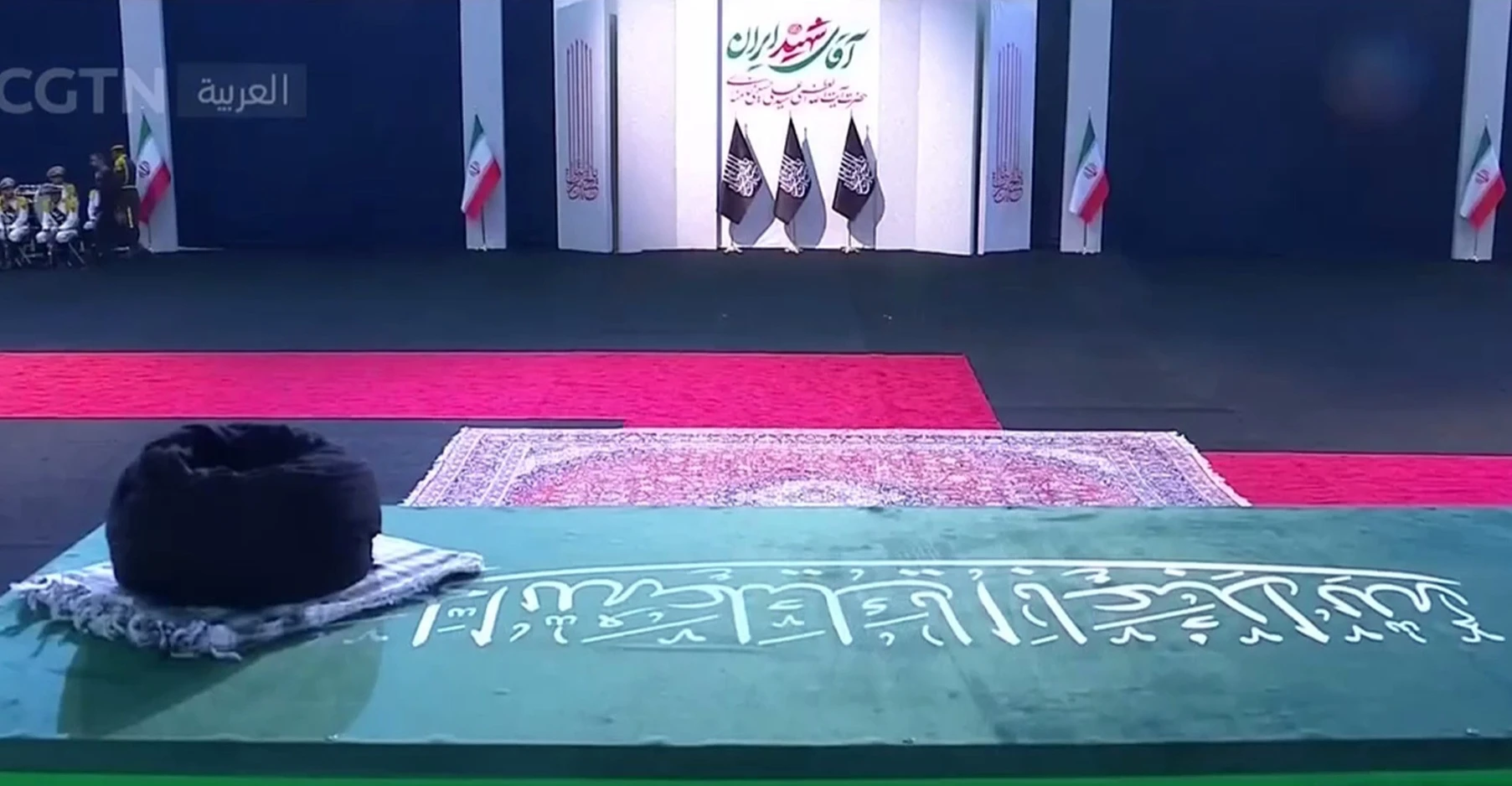
Iraq has recently implemented restrictions regarding the funeral ceremonies of the late Iranian Supreme Leader, Ali Khamenei. Due to heightened security concerns, the Iraqi authorities have limited the locations for these ceremonies and barred key Iranian military figures from attending.
Security Concerns Prompt Restrictions
According to sources, the Iraqi government has specifically prohibited attendance by senior members of Iran’s Islamic Revolutionary Guard Corps (IRGC), including the commander of the Quds Force, Esmail Qaani. The only cities designated for the ceremonies are Najaf and Karbala, both significant locations in Shiite Islam. Prime Minister Ali al-Zaidi has intervened to ensure that no gatherings occur in Baghdad, reflecting a careful consideration of political sensitivities amidst regional tensions.
Avoiding Regional Complications
Iraqi officials have communicated to Tehran that Iranian military personnel will not be permitted to participate in the ceremonies. This decision is rooted in a desire to prevent potential security issues and the complex political implications that may arise from such visits. Observers note that these activities extend beyond their religious significance, as they may be interpreted as a display of Iranian influence within Iraq. This is especially critical for Baghdad, which is striving to maintain a balanced approach to its regional relationships.
Political Responses and Implications
Despite the restrictions, the Coordination Framework (CF), which is Iraq’s primary Shiite political alliance, has countered claims regarding Qaani being barred from entry. Amer al-Fayez, a senior figure in the CF and the head of the Tasmeem Alliance, emphasized that Qaani’s conduct has not warranted any limitations on his ability to attend. He characterized the reports as misleading and asserted that the ties between Baghdad and Tehran continue to be built on shared interests.
Khamenei’s death, resulting from a U.S.-Israeli attack on February 28, marked the end of his 37-year leadership. The role of Iraq in the funeral is primarily centered around Najaf and Karbala, where large crowds are anticipated.
Funeral Procession Details
The funeral arrangements include transporting Khamenei’s body from Qom to Najaf International Airport, followed by ceremonial rituals at Imam Ali’s shrine. The procession will then head to Karbala, passing significant landmarks before ultimately returning to Najaf Airport. From there, Khamenei’s remains will be flown to Mashhad for burial at the shrine of Imam Ali bin Mousa al-Rida, also known as Imam Reza, scheduled for July 9.
Official funeral ceremonies commenced in Tehran and are expected to last about a week before Khamenei’s burial. This event has drawn considerable attention, not only for its religious implications but also for the intricate political dynamics at play in the region.