
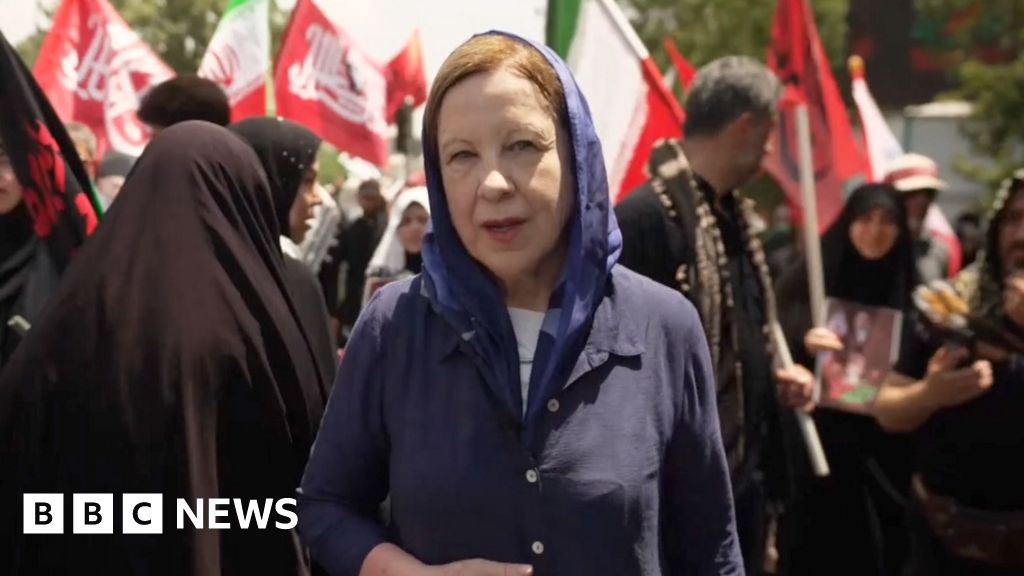
The streets of Tehran are witnessing an extraordinary display of public mourning as the nation grieves for its fallen Supreme Leader, Ayatollah Ali Khamenei. Following his death amid the escalating conflict between the United States and Israel earlier this year, the Iranian populace has taken to the streets in large numbers, demonstrating a deep sense of loss and unity.
Details of the Funeral Procession
The funeral procession unfolded through Enghelab Square, a significant landmark in Tehran. Crowds of mourners gathered, waving Iranian flags and displaying red banners that symbolize martyrdom and the quest for vengeance. This outpouring of grief reflects not only the personal loss felt by many but also the larger implications Khamenei’s leadership carried for the country and its political stance on the global stage.
Restrictions on Media Coverage
In light of the ongoing tensions in the region, international media coverage of the event has encountered restrictions. The BBC’s chief international correspondent, Lyse Doucet, is filing reports from Tehran under stringent guidelines that prohibit the use of her material on the BBC’s Persian service. Such limitations are part of a broader framework affecting all foreign media outlets working within Iran, underscoring the tight control the government maintains over information dissemination.
The Symbolism of Mourning
The mourning rituals in Iran are steeped in rich symbolism, with flags and banners playing a critical role in conveying collective sentiments. The act of mourning is not limited to the loss of a leader but is also interwoven with the nation’s identity and its struggle against external influences. The public display of flags and emblems serves as a powerful reminder of national pride and the narratives that have shaped the Iranian people’s worldview over the decades.
The Broader Context of Khamenei’s Leadership
Ayatollah Ali Khamenei’s leadership was marked by a complex interplay of ideological fervor and pragmatism. His tenure saw Iran navigating delicate geopolitical waters, characterized by its position as a significant player in Middle Eastern politics. The leadership has often called for resilience against Western pressure, and Khamenei’s death prompts questions about the future direction of Iranian politics and its implications for both domestic and foreign policy.
As the mourning continues, many are left to ponder the legacy of Khamenei and what this transition means for Iran’s future. The collective grief observed across the nation illustrates not only a personal loss but also signifies the potential ramifications that may arise in the region in the wake of such a pivotal change in leadership. The streets of Tehran serve as a testament to a nation deeply engaged in the complexities of its history and its aspirations for the future.