
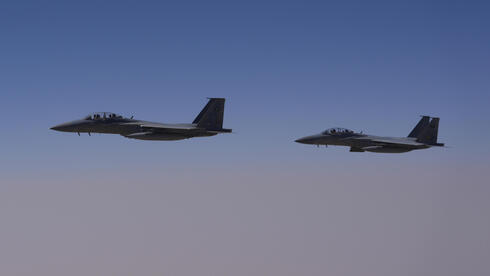
The recent landing of an Iranian aircraft at Sanaa International Airport marked a pivotal moment, drastically altering the regional security dynamics established by Saudi Crown Prince Mohammed bin Salman. This incident, occurring on July 3, demonstrated the fragility of the Saudi leadership’s approach to regional stability. As the plane navigated through Houthi-controlled airspace and was met with little resistance from Saudi fighter jets, the implications of this maneuver were felt throughout the Middle East.
The Saudi Strategic Miscalculation
The arrival of the Iranian aircraft signifies a troubling collapse of the Saudi strategy, attributed to a significant miscalculation by its leaders. Crown Prince Mohammed bin Salman, eager to clear obstacles for domestic reforms under his Vision 2030 initiative, has inadvertently sacrificed regional deterrence for a precarious and misleading sense of peace. By doing so, he provided Iran with the opportunity to bolster its network of proxies in a region already marked by tensions. This shift places Israel and its allies in an increasingly vulnerable position, facing new threats from a reinvigorated Iranian influence.
Assessing Saudi Foreign Policy Assumptions
To comprehend how the current situation emerged, one must analyze the foundational beliefs that guided Saudi foreign policy in recent years. The Crown Prince’s ambitions for Vision 2030 hinge heavily on securing foreign investments, which require projecting stability in the kingdom. Unfortunately, this domestic focus has created a significant strategic weakness. The Saudis became aware that a single drone strike from Iranian-aligned Houthis could undermine investor confidence, prompting a desperate need for security assurances that Riyadh’s military poorly provided. Thus, the Crown Prince made a controversial decision in March 2023, culminating in a normalization agreement with Iran facilitated by China, shifting to a policy of appeasement rather than resistance.
The Consequences of Economic Engagement with Iran
Riyadh believed that fostering economic ties with Tehran would compel Iran to adhere to international norms. The assumption was that by offering Iran a chance to escape isolation, the regime might divert from its aggressive proxy actions. However, this belief is fundamentally flawed. For Tehran, proxy warfare is not merely a bargaining chip; it is an essential element of its defense strategy aimed at encircling and neutralizing Israel. The failure to recognize this principle has left the region open to escalated hostilities.
The Growing Houthi Threat to Regional Stability
The repercussions of Saudi foreign policy are particularly dire for Israel, which faces a newly empowered Houthi movement. No longer regarded as a mere local Yemeni insurgency, the Houthis are equipped with advanced weaponry ranging from ballistic missiles to loitering munitions capable of targeting Israeli cities. Since late 2023, they have frequently launched attacks on southern Israeli regions, forcing residents into bomb shelters and disrupting local economies. The strategic implications are vast, as air and maritime routes become critical chokepoints under the shadow of a broadened Houthi capability.
This precarious situation underscores the urgent need for a reevaluation of Saudi Arabia’s current diplomatic trajectory. By enabling open air corridors from Tehran to Sanaa, the Crown Prince has risked destabilizing not just the immediate region but also international trade routes, leading to increased global inflation and heightened tensions in allied nations. As discussions surrounding sanctions and Iranian asset relief take place, the international community must approach this situation with caution, refusing to accept a status quo that undermines regional security.