
Understanding the Islamic Republic of Iran
The Islamic Republic of Iran faces a complex sociopolitical landscape where the sentiments of the populace often diverge from the actions of its leadership. As the nation navigates its identity on the global stage, understanding the duality of governance and public opinion is crucial for grasping the essence of contemporary Iran.
The Dynamics of Public Sentiment
In Iran, public perception plays a vital role in shaping both governance and political discourse. Despite the government’s authoritative stance, many citizens express their frustrations and aspirations, underscoring a disconnect between the ruling elite and the general populace. This cultural and political divide highlights the importance of recognizing that the so-called ‘real power’ lies within the collective conscious of the Iranian people. Their voices, aspirations, and experiences are crucial in understanding the nation’s true character.
The Islamic Republic’s Global Image
On the international stage, Iran grapples with a narrative that often casts it in a negative light. Sanctions, geopolitical tensions, and differing worldviews contribute to a complicated foreign perception. Yet, within Iran, the populace engages in daily acts of resilience and creativity that do not usually make headlines but are intrinsic to the country’s social fabric. These personal stories offer a deeper understanding of life in Iran, showcasing the complexity of human experiences in contrast to political rhetoric.
The Influence of Mourning Ceremonies
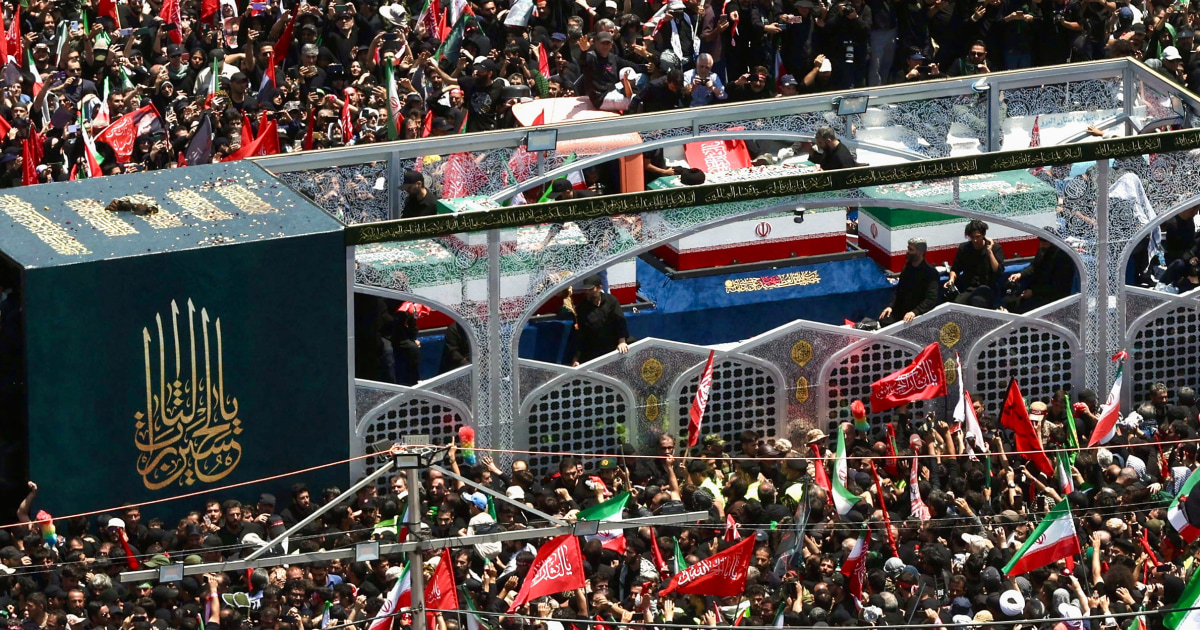
Public gatherings and mourning ceremonies in Iran serve as significant markers of collective identity and sentiment. These events not only honor the deceased but also offer opportunities for citizens to express their frustrations and aspirations publicly. The remarks from participants in such gatherings often reflect a yearning for more profound societal changes. For example, one mourner’s assertion that “the popularity of the people is the real power” emphasizes a crucial truth: while the government may wield institutional power, it is the people’s collective will that shapes the future.
A Call for Global Understanding
For the world outside of Iran, it is imperative to move beyond stereotypes and engage with the voices of ordinary citizens. By recognizing the rich tapestry of Iranian life, which includes joy, resilience, dissent, and creativity, observers can develop a more nuanced understanding of the nation. This understanding goes beyond mere politics; it touches on the everyday realities that shape Iranians’ lives and aspirations.
Conclusion
As Iran continues to navigate its complex sociopolitical environment, acknowledging the interplay between government authority and public sentiment becomes essential. The voice of the people—its hopes, frustrations, and dreams—forms the bedrock of the nation’s identity and potential future. To truly grasp Iran’s essence, one must see beyond its leadership and recognize the rich life experiences that define its people. The ongoing narrative of Iran is not simply a story of governance but a profound exploration of human experiences and aspirations.