
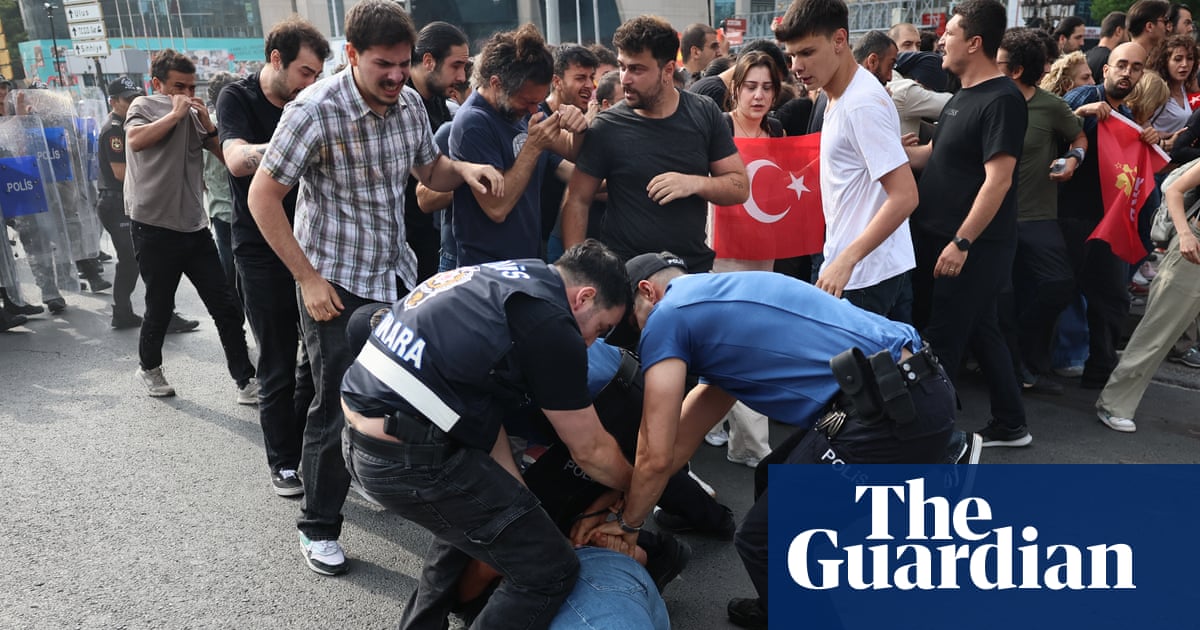
In recent weeks, Turkey has intensified its crackdown on civil liberties, with significant implications for freedom of expression and political dissent. Authorities have arrested over 200 individuals, including a stand-up comedian, and imposed restrictions on public demonstrations leading up to a NATO summit in Ankara. This climate of repression raises serious concerns about human rights and personal freedoms in the country.
Crackdown on Freedom of Speech
The Turkish government’s latest actions demonstrate an alarming trend toward the suppression of free speech and assembly. Human Rights Watch has highlighted how authorities have implemented a ban on public demonstrations, which is in place until July 10, just as the high-profile NATO summit approaches. The organization pointed out that these measures signify Turkey’s proactive steps against any form of dissent, labeling the government’s actions as examples of “ruthless intolerance” toward freedom of expression. The heightened security measures are seen as part of an overarching strategy to silence critics and stifle public debate.
Recent incidents illustrate the oppressive nature of this crackdown. Stand-up comedian Deniz Göktaş was arrested upon returning from a holiday, facing charges for allegedly insulting the president and denigrating religious values. His stand-up routine, which referred to President Recep Tayyip Erdoğan as a dictator, has sparked controversy and resulted in widespread coverage, generating nearly 9 million views on YouTube. Göktaş’s case has caught the attention of both domestic and international audiences, raising questions about the limits of artistic expression in Turkey.
Targeting the LGBTQ+ Community
In addition to targeting political dissenters, Turkish authorities have recently escalated their hostility towards the LGBTQ+ community. A cruise ship catering to LGBTQ+ passengers was denied docking rights in Aydın, with officials citing “moral values.” This incident sheds light on broader societal attitudes toward LGBTQ+ individuals in Turkey and reflects a governmental stance that marginalizes non-conforming identities. US actress Patti LuPone, who was scheduled to perform on the cruise, publicly condemned the ban, stating that it was a direct consequence of the identities of those aboard.
Media Suppression and Arrests
The media landscape in Turkey continues to deteriorate, with notable arrests of journalists in the lead-up to the NATO summit. Buse Söğütlü, an editor at T24, and Ceren Erdoğdu from OdaTV were taken into custody, with their lawyer suggesting that the arrests were politically motivated. The Turkish government remains under scrutiny for its treatment of critics, with Reporters Without Borders denouncing the actions taken against journalists and unpacking the continued decline in press freedom within the country.
Despite these alarming developments, Western leaders have largely refrained from vocally criticizing Turkey’s deteriorating human rights record. Critics argue that this silence only emboldens the Turkish government’s authoritarian tendencies and weakens the position of opposition groups within the country. As David Satterfield, a former US ambassador, pointed out, the West’s neglect in addressing these issues undermines the founding principles of NATO, such as democracy and the rule of law.
The Political Landscape Ahead of the NATO Summit
The current political environment in Turkey poses challenges for the opposition parties aiming to counter President Erdoğan’s rule. The Republican People’s Party (CHP) has faced significant pressures, marked by arrests of key members, including the party’s leader in Istanbul. The ongoing trials and legal struggles signal a calculated effort by the government to stifle any meaningful challenge to its authority.
Overall, the tightening grip of the Turkish government on free speech, LGBTQ+ rights, and political dissent highlights a worrying trend that threatens to further erode democratic norms in the country. As the world watches the developments surrounding the NATO summit, it remains essential for advocates of human rights and democracy to continue to raise their voices against the ongoing repression in Turkey.