
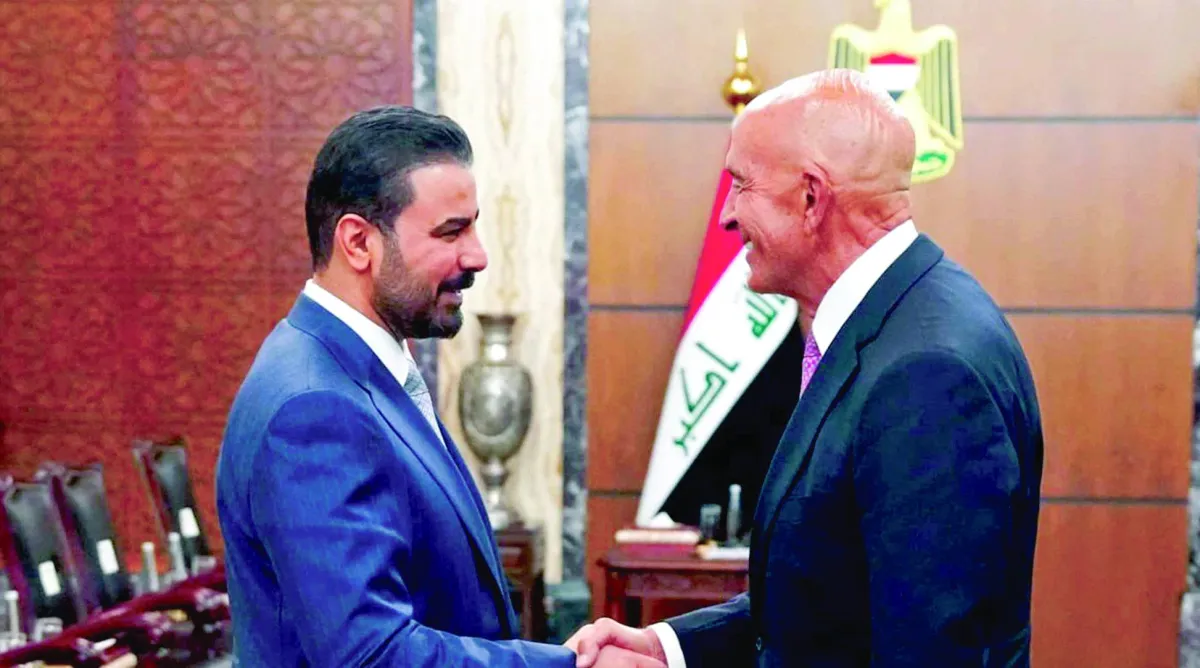
Iraq and Syria are on the brink of fostering a significant economic partnership, with U.S. support seeking to shift the regional balance away from Iranian influence. This potential alliance is set against the backdrop of Iraqi Prime Minister Ali al-Zaidi’s upcoming visit to Washington, scheduled for mid-July, where discussions aim to solidify an agreement beneficial to both nations.
Upcoming Meetings in Washington
Sources from Syria, Iraq, and Western nations indicate that during al-Zaidi’s stay in the U.S., he is expected to engage in discussions with U.S. President Donald Trump. A Syrian official revealed that Syrian Foreign Minister Asaad al-Shaibani may also travel to the U.S. to rendezvous with al-Zaidi or other Iraqi officials, hinting at strategic negotiations between Baghdad and Damascus. The discussions are anticipated to be facilitated by U.S. Special Envoy Tom Barrack, signaling a shift in geopolitical alliances and a potential expansion to involving other Arab nations as their needs align.
The Iraqi delegation, led by al-Zaidi, is poised for an extensive agenda, comprising meetings not only with President Trump but also with political leaders across the spectrum and representatives from prominent American oil firms. This trip, lasting approximately four days beginning July 15, underscores Iraq’s determination to diversify its economic ties, especially in the energy sector.
A New Regional Framework
The Iraqi government is actively working on a dual approach: reforming armed factions by integrating them into national institutions and combating corruption. This strategy aligns with Baghdad’s growing pivot towards the U.S., as American officials encourage Iraq to decrease its reliance on Iranian support. Observers suggest that al-Zaidi’s government represents a critical opportunity to redefine the regional power dynamics, potentially establishing a fresh framework for relations among Iraq, the U.S., and Iran.
Iraq’s desire to open new oil export avenues and Syria’s ambition to leverage its geographical position could lead to a reshaping of trade routes. With a new alliance in the making, Iraq aims to enhance its energy export capabilities while transforming Syria into a pivotal energy corridor.
Significance of U.S. Involvement
This collaborative endeavor could constitute a strategic shift for the U.S. in the region, as it seeks to promote cross-border projects that connect Iraq to Mediterranean routes while also empowering Syria within the new energy landscape. A Western source emphasized the importance of establishing a stronger alliance by creating shorter, efficient pathways to the Mediterranean, thereby lessening reliance on traditional maritime routes like the Strait of Hormuz.
The implications of this alliance are profound. Should the proposed agreement be realized, it signals not just a change in immediate relationships but also the potential for Iraq to redefine its strategic significance in a way that diminishes Iranian influence in the region. An Iraqi research specialist indicated that al-Zaidi’s Washington visit might be pivotal, similar to the significant shift following Syrian President Ahmed al-Sharaa’s 2025 White House visit. As Iraq moves toward this new alliance, it reflects a broader trend of regional nations reevaluating their ties and aligning more closely with Western interests.
In conclusion, the developments in U.S.-Iraqi-Syrian relations indicate an impending realignment of power structures in the Middle East. With an eye on collaborative economic projects and reduced Iranian sway, both Iraq and Syria stand at a crossroads where their decisions could reshape their futures and alter the regional landscape.