
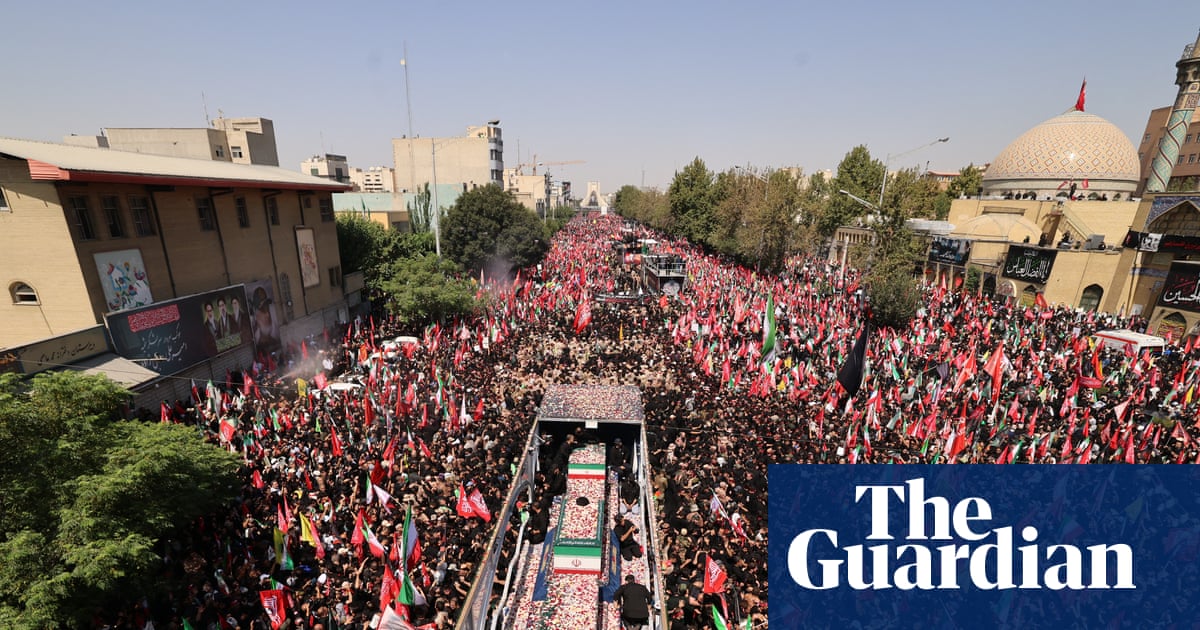
As Iran mourns the passing of its former Supreme Leader, Ali Khamenei, a significant moment unfolds, reflecting both the nation’s complex dynamics and the political landscape. This period of mourning has seen mass gatherings across Tehran and beyond, leaving Iran’s leadership to grapple with the implications of expressing public grief.
Mass Mobilization and Its Implications
Khamenei’s funeral has prompted interpretations, with some viewing the extensive turnouts as a robust endorsement of the state’s authority and a call for an escalated confrontational stance toward the West. Others perceive it as a manifestation of deep-seated national pride, contingent upon tangible changes within governance and an end to ongoing conflicts. Analysts suggest that this display of support could significantly impact Iran’s internal stability and international negotiations.
Reportedly, government sources believe they managed the crowds effectively, observing minimal unrest and manipulating public sentiment beyond what has often been portrayed by Western media. This organized display has sparked debate about its authenticity, particularly in cities like Qom, where Khamenei’s body was taken before its final rites. The attendance was so overwhelming that it reached capacity hours in advance, leading many to see the event as both a genuine outpouring of grief and a state-driven mobilization.
Significance of Turnout Numbers
The discussion surrounding the actual turnout at Khamenei’s funeral has taken on a life of its own, with figures ranging from a conservative 350,000 to an astounding 35 million, demonstrating humanity’s tendency to interpret data subjectively. While some media outlets circulated estimates that pleased the government, reminiscent of prior monumental events like the funeral of Iran’s first Supreme Leader, Ruhollah Khomeini, skepticism remains regarding the depiction of public sentiment.
Underlying economic challenges, political oppression, and disillusionment mark the backdrop of Khamenei’s 36 years in power, prompting calls for reform among segments of the population. However, many attendees of the funeral were not merely puppets of the state but rather articulate individuals expressing collective mourning for a leader they felt was wrongfully taken from them.
State Narratives and Public Perception
Academics studying Iranian politics emphasize that state-led mobilization has been a cornerstone of the regime’s strategy since the Islamic Revolution. Institutions ranging from mosques to veterans’ organizations facilitate such public demonstrations of support, illustrating that the government is not merely imposing its will but drawing on a social base eager to reflect commitment to the regime and protect the revolution against perceived external threats.
In contrast, dissenting voices caution that the overwhelming display of unity at the funeral does not erase existing fractures within the Iranian government or society. Prominent figures acknowledge that despite the spectacle, the public remains divided, with calls for meaningful negotiations with Western powers and cessation of hostilities being consistent themes among reformist factions.
As the nation navigates through its grief, the urgency for reconciliation meets the demand for toughness in international dealings. Iranian officials, aware of the political landscape, recognize that such mass gatherings can bolster their negotiating posture but also risk deepening internal divisions if not handled thoughtfully. The sobering reality remains that the political soul of Iran is entering a critical and uncertain new chapter.