
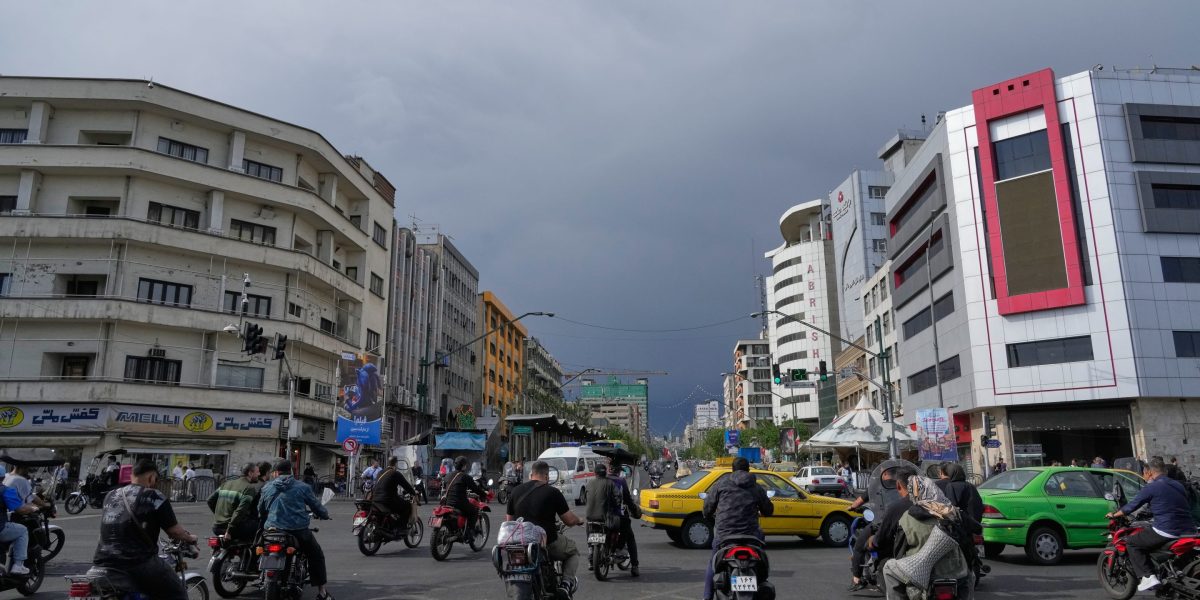
A recent lawsuit has raised serious concerns about the actions of the Trump administration regarding Iranian asylum seekers, claiming that U.S. immigration agencies are unlawfully sharing confidential information with the Iranian government. This alleged breach of national immigration regulations may jeopardize the safety of numerous Iranians who have sought refuge in the United States.
A Coordinated Campaign Against Iranians
The lawsuit paints a troubling picture of cooperation between U.S. and Iranian authorities aimed at identifying Iranians detained by Immigration and Customs Enforcement (ICE). This initiative seems to represent a drastic shift in relations between the two nations, traditionally marked by hostility. Historically, the U.S. has offered sanctuary to Iranian dissidents and exiles since the 1979 Islamic Revolution, which forced a significant number of Iranians to flee their homeland. Public records indicate that approximately 600 Iranians were held in immigration detention in 2025, raising alarm over the alleged information sharing and its implications for their safety.
Confidentiality Violations and Legal Protections
The lawsuit argues that U.S. regulations established in the late 1990s explicitly prohibit the sharing of information that exposes asylum applicants, ensuring their safety from persecution upon return. Despite this, the complaint asserts that U.S. officials have been communicating sensitive details about detained Iranian immigrants to their government, effectively undermining these legal protections. Lawyers representing the Iranian American Legal Defense Fund and Public Citizen Litigation Group state that meetings have been taking place since early 2025, whereby U.S. officials conveyed pertinent information regarding asylum seekers, including those who claim they faced persecution on the grounds of religion, sexual orientation, or their involvement in protests against the Iranian regime.
Serious Consequences of Information Sharing
The grave implications of this information sharing are clear. As outlined in the lawsuit, Iranian asylum applicants have reportedly been coerced into meeting with officials from their home country, who possess insider knowledge about their immigration cases. This troubling behavior raises critical ethical questions about how the U.S. government prioritizes its deportation agenda over the protection of vulnerable individuals seeking asylum. The repercussions of this alleged collusion are particularly dire in the context of ongoing hostilities, especially given that the information was still being shared even as military actions commenced against Iran.
A Call for Accountability
The lawsuit seeks not only to halt the sharing of sensitive information between U.S. immigration authorities and the Iranian government but also to establish an independent monitoring system to prevent future breaches. It places significant blame on high-ranking officials such as Secretary of State Marco Rubio and Secretary of Homeland Security Markwayne Mullin, while the Department of Homeland Security and the State Department have yet to publicly respond to these allegations. As this lawsuit unfolds, it underscores the need for a reevaluation of how the U.S. handles immigration and asylum, particularly for those fleeing regimes that have historically persecuted them.
In a time rife with political challenges and sensitive international relations, the balance between national security and humanitarian responsibility remains as crucial as ever. The outcome of this lawsuit could have lasting implications not only for Iranian asylum seekers but also for the broader discourse surrounding U.S. immigration policies and the treatment of refugees in general.