
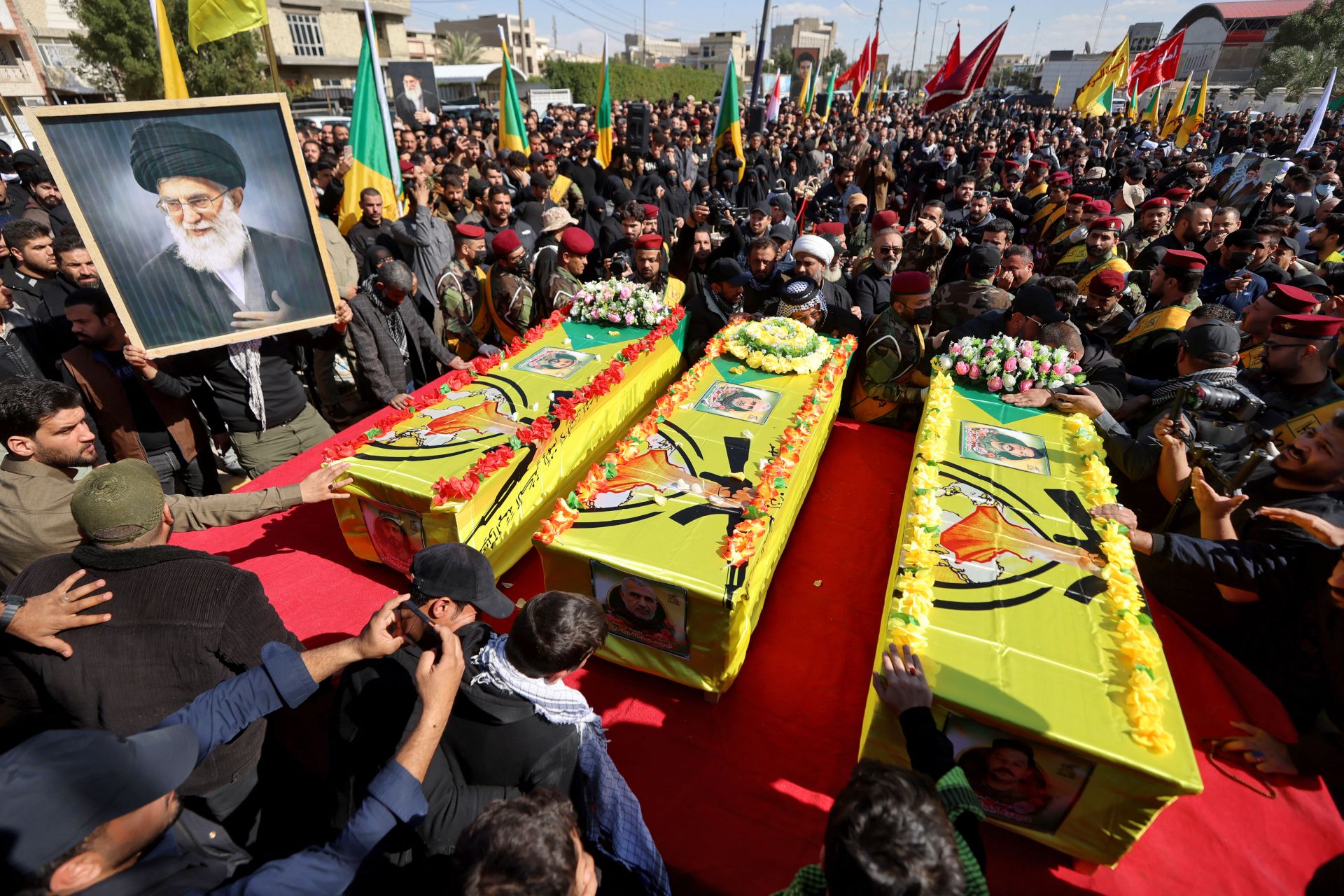
In June, Haider al-Kilabi, an Iraqi parliament member linked with the Popular Mobilization Forces (PMF), visited the Iranian Embassy in Baghdad. Alongside other legislators, he expressed gratitude to Iran’s ambassador for facilitating arrangements for Ali Khamenei’s funeral ceremonies to take place in Iraq. This request was part of the orchestrated events surrounding the passing of Iran’s supreme leader from July 3 to July 9, which involved several locations across both Iran and Iraq. Preparations for the ceremonies had already begun weeks in advance, suggesting the decision was strategic. In early July, Iranian Foreign Minister Abbas Araghchi’s visits to significant Shiite shrines in Iraq were not just acts of devotion; they aimed to assess local conditions and gauge public sentiment ahead of the funeral.
### Symbolism Behind Khamenei’s Funeral
The Iranian government invested substantial effort into the funeral’s symbolism and spectacle to convey that the Islamic Republic retains significant support beyond its borders, particularly among Shiite communities. Political performance, deeply embedded in totalitarian regimes like Iran, serves to reproduce power relations. Participation in such rituals solidifies existing hierarchies and endorses state narratives. This goes beyond mere public expressions; it shapes the very fabric of political reality. The PMF has transitioned from a protective force against the Islamic State to a powerful political entity, creating a public atmosphere that often conflates genuine support with enforced conformity.
### Diverse Reactions in Iraq
Amid these politically charged events, Iraq presents a more intricate picture. Many Iraqis, regardless of their opinions on the regime, view Khamenei’s death as a loss worth mourning, reflecting a broader sentiment. Conversations among Iraqis reveal a genuine sense of grief tied to their connection with Khamenei as a leader who made sacrifices during his country’s strife. This emotional response provides the regime with an opportunity to reaffirm its legitimacy, though its success will hinge on how it navigates post-funeral sentiments as they unfold.
Tens of thousands of Iraqis are expected to participate in the commemorative events. The PMF has established a committee to ensure smooth proceedings, gearing up for large gatherings in sacred cities like Najaf and Karbala. Reports reveal that major roads were decorated with Iranian and Iraqi flags, signaling the magnitude of the event. Local governing bodies declared the funeral day a public holiday, and media coverage aims to amplify the display of unity among Shiites, both Iranian and Iraqi.
### Complexity of Participation
However, motivations for attendance vary widely. While some may fulfill social or religious obligations, others join the funeral out of political necessity, hoping to align with powerful figures for personal gain. The interplay between genuine emotion and strategic participation complicates the narrative presented by the Axis of Resistance. Although the funeral serves as a platform to dominate public discourse, it also embodies varying degrees of belief and sentiment among participants.
Even influential figures like Grand Ayatollah Ali al-Sistani have taken a measured approach, expressing condolences while pragmatically navigating the complex relationship with Iran. They are aware that their presence at such a significant event doesn’t imply political allegiance, reflecting a nuanced stance that values religious respect over ideological conformity. This nuanced approach becomes even more pronounced as the funeral coincides with Muharram, a time of mourning for Imam Hussein, further intertwining Khamenei’s legacy with Shiite religious traditions.
Ultimately, Khamenei’s funeral will not be a simple political spectacle; it will intertwine various forms of participation driven by a combination of genuine emotion and opportunistic behavior. This complex event will reflect the layered identities within the Axis of Resistance, contributing to a narrative that touches on themes of sacrifice, solidarity, and political power. As these dynamics play out, they will determine the larger implications for both Iranian and Iraqi political landscapes.