
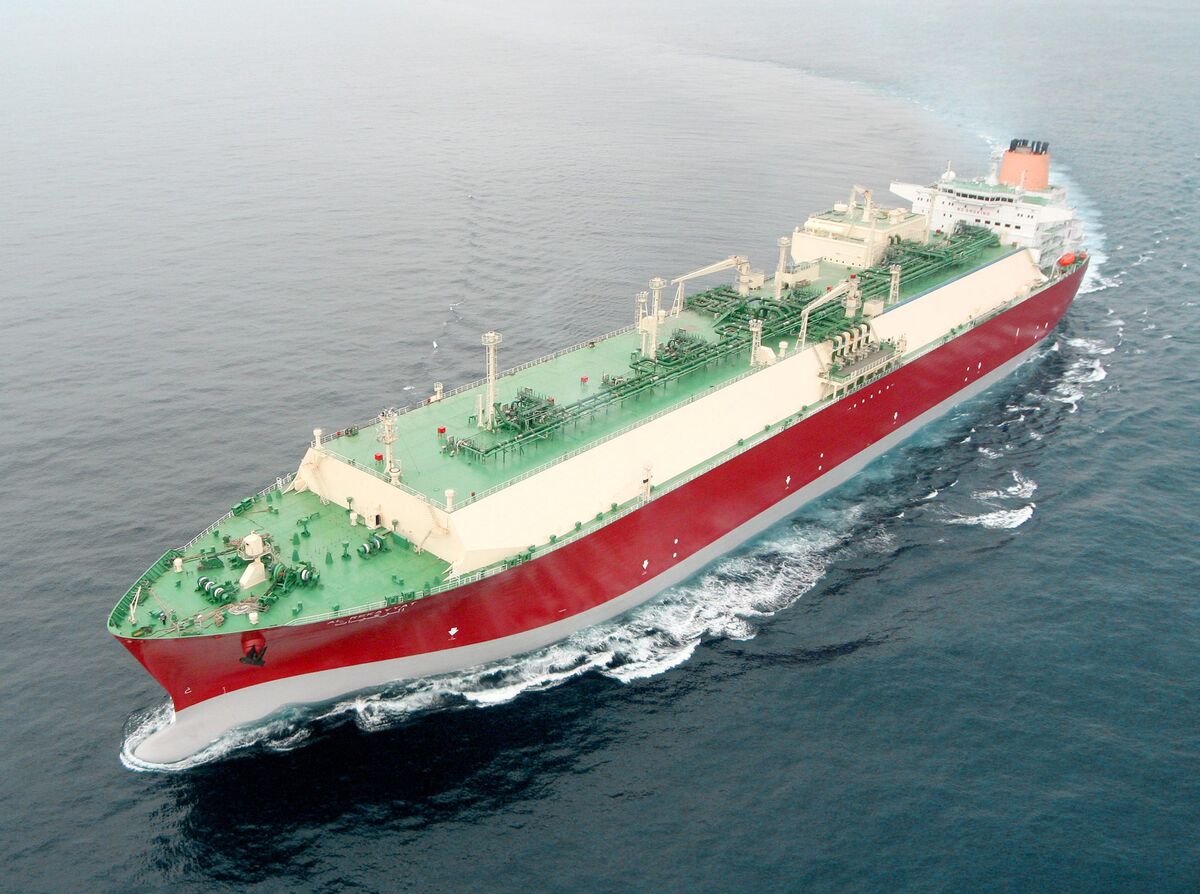
The recent attack on a Qatari tanker near the Strait of Hormuz has cast a shadow over Qatar’s strategic position as a mediator between the United States and Iran. This incident not only threatens regional stability but also raises significant questions about Qatar’s diplomatic relationships and security measures in one of the world’s most critical maritime routes.
Qatar’s Strategic Position
Qatar has long maintained a unique diplomatic stance in the Gulf, often acting as an intermediary in conflicts involving regional powers. Its vast natural gas reserves and strong financial backing have bolstered its influence, allowing it to engage with diverse stakeholders, including Iran and the U.S. The tanker incident undermines this role, potentially disrupting Qatar’s ability to foster dialogue and negotiate peace in a tense environment.
Risks to Regional Stability
The Strait of Hormuz is a pivotal transit route for global oil shipments, making any disruption extremely consequential. The targeting of the Qatari vessel sends a chilling message about the increasing volatility in the region. If tensions escalate, the safety of maritime passage could be compromised, adversely affecting not only local economies but also global markets. This scenario poses a significant risk to regional stability, as any move by Iran to escalate attacks could provoke counteractions from the U.S. and its allies.
The Diplomatic Challenge Ahead
In the aftermath of the attack, Qatar faces a substantial diplomatic challenge. Maintaining its role as a mediator will require a delicate balancing act, especially as trust erodes between the United States and Iran. Qatar may need to recalibrate its foreign policy approach, strengthening ties with the U.S. while simultaneously seeking to reassure Iran of its commitment to neutrality and regional dialogue. This balancing act is crucial for maintaining peace and stability in a landscape fraught with political fissures.
Future Implications for Qatar
The implications of this event could be long-lasting for Qatar. Should its mediatory role continue to be undermined, the country might find itself increasingly isolated, affecting its long-term strategic interests. As it navigates this geopolitical crisis, Qatar will have to harness its diplomatic networks and leverage international relationships to re-establish its credibility as a facilitator of dialogue in the region.
In conclusion, the incident involving the Qatari tanker is not just about one vessel; it embodies the challenges facing Qatar as it strives to uphold its diplomatic mission in a fragile and volatile geopolitical landscape. Moving forward, Qatar’s ability to persevere as a mediator will depend on its strategy and willingness to engage with both sides while ensuring its national interests remain intact.