
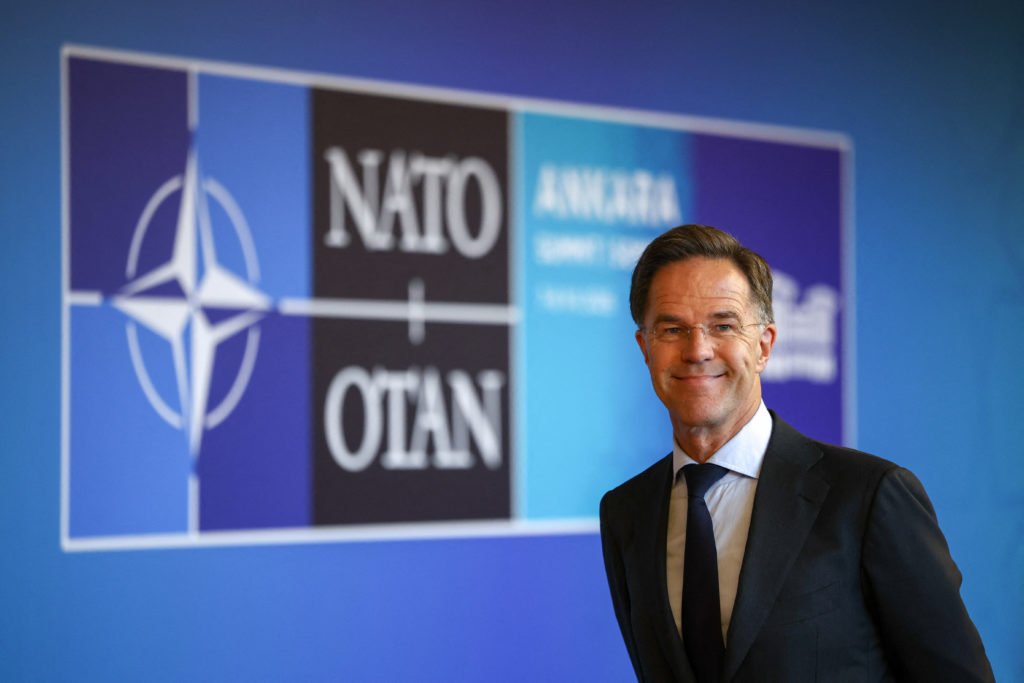
NATO Summit in Ankara Marks a Critical Juncture
Ankara, Turkey, is set to host a pivotal NATO summit, gathering leaders from the alliance over two days to discuss pressing security matters as the U.S. redefines its role in European defense. With the backdrop of differing stances among member countries toward cooperation in military conflicts, this summit promises to highlight both the challenges and potential pathways for NATO’s future.
Host and Security Preparations
President Recep Tayyip Erdoğan will welcome NATO allies to the extensive Bestepe Presidential Compound in Ankara, where heightened security measures are already in place. A newly developed airport will accommodate the influx of dignitaries, underscoring Turkey’s commitment to hosting the alliance. Security forces will deploy tens of thousands of personnel, with neighboring areas restricted to ensure smooth operations. Public assemblies are prohibited, further emphasizing the seriousness of the summit atmosphere. In the run-up to the meeting, authorities have detained several individuals, including journalists, a move that reflects the tensions present in Turkish society.
The agenda kicks off with a formal dinner hosted by Erdoğan, featuring leaders from Japan, South Korea, and Australia. Ukrainian President Volodymyr Zelenskyy will also be present, highlighting international interest beyond the NATO membership. As the evening unfolds, various discussions will be parallel to the dining event, including a NATO Ukraine Council and meetings involving Indo-Pacific partners and Gulf officials.
Defense Spending and Industry Innovations
A recurring topic at NATO discussions is defense spending—a critical issue, especially in the wake of U.S. calls for European allies to increase their military investment. NATO Secretary-General Mark Rutte recently reported a planned 20% increase in spending by allies by 2025, yet skepticism remains about whether this will meet U.S. expectations. The Trump administration hopes to see contributions approaching those of the U.S., where military expenditures are projected to reach approximately $901 billion in 2026, accounting for around 3.3% of GDP.
The summit also offers NATO an opportunity to spotlight initiatives aimed at modernizing military capabilities through innovative projects. A defense industry forum will take place on the summit’s sidelines, focusing on boosting weapons production and encouraging technological advancements. Partner nations are keen to transform financial commitments into effective military assets, promising to enhance preparedness and response capabilities.
Continued support for Ukraine amid its ongoing conflict with Russia will also be high on the agenda. With European allies contributing the majority of Ukraine’s military needs, particularly in air defense, this topic will remain a focal point for NATO’s collective resolve.
U.S. Military Presence and Broader Implications
While much of the summit’s discussions are expected to revolve around defense spending, members will also address the implications of reduced U.S. military numbers in Europe. The Trump administration’s recent announcement of a six-month review of the U.S. military’s presence adds another layer of complexity to the conversations. European allies have often found themselves reacting to sudden policy shifts from Washington, leaving them seeking clarity on troop levels and strategic commitments.
The U.S.-Israel conflict regarding Iran will also loom over discussions, as Trump has expressed disappointment in NATO’s reluctance to participate. Loyalty among members, underscored by the Article 5 commitment to mutual defense, will be tested against the backdrop of emerging global threats. As leaders gather, the core question remains: How will NATO navigate the delicate balance of unity in the face of diverging national interests?
In summary, this summit represents a crucial moment for NATO, revealing both the vulnerabilities in transatlantic relations and the potential for a renewed commitment to shared security objectives. The outcomes of these discussions will likely shape the future of the alliance and its ability to respond to evolving geopolitical challenges.