
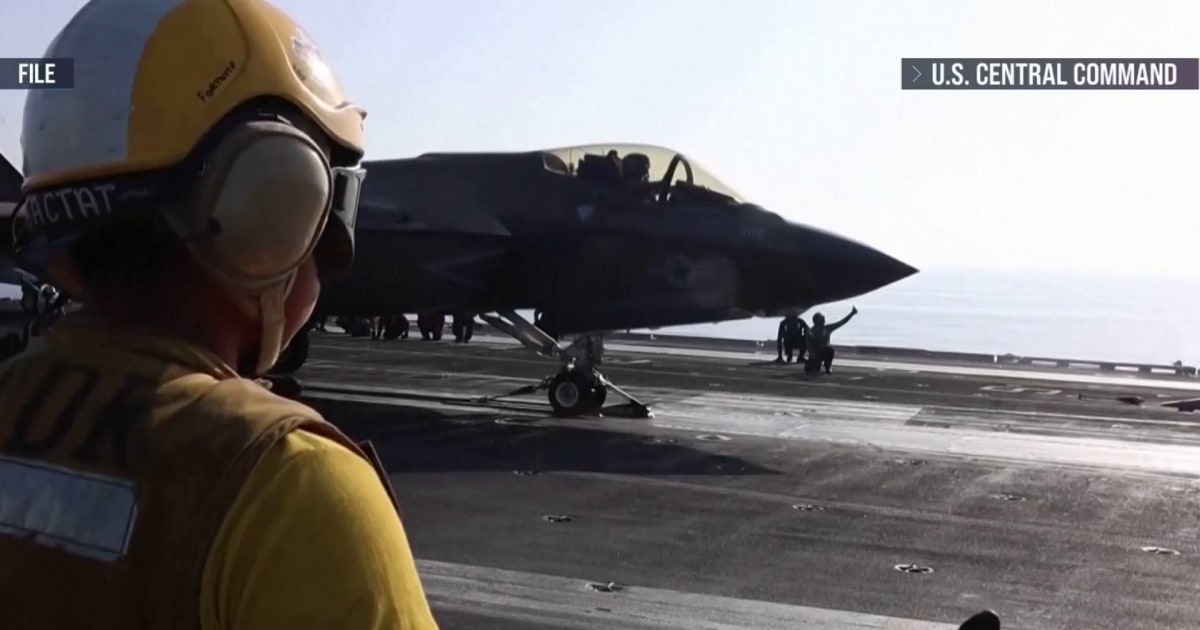
U.S. Retaliates with Airstrikes Against Iran
In a decisive response to recent Iranian actions targeting commercial vessels in the Strait of Hormuz, the United States launched airstrikes against Iran. This military operation reflects heightened tensions in the region and underscores the fragile state of international relations, particularly in the Persian Gulf.
Rising Tensions with Iran
The escalation began when Iran violated a ceasefire that had been in place, leading to attacks on civilian maritime assets. The U.S. government viewed these provocations as a direct threat to not just American interests, but also to global shipping safety and regional stability. The airstrikes aim to deter Iran from further aggressive actions while reaffirming the U.S. commitment to protecting international maritime navigation.
Implications for Global Trade
The Strait of Hormuz is a crucial maritime passageway through which a significant percentage of the world’s oil supply is transported. Disruptions here can lead to increased oil prices and broader market fluctuations. The recent airstrikes raise concerns about future clashes that could jeopardize not only U.S. and Iranian interests, but also complicate the global supply chain.
Future Outlook and Diplomatic Efforts
As military actions unfold, diplomatic avenues remain essential for de-escalating tensions. While the U.S. asserts that it remains open to dialogues, the situation illustrates the complex interplay of military readiness and diplomatic negotiations in addressing international disputes. The ramifications of these recent hostilities will likely shape regional geopolitics in the coming months.