
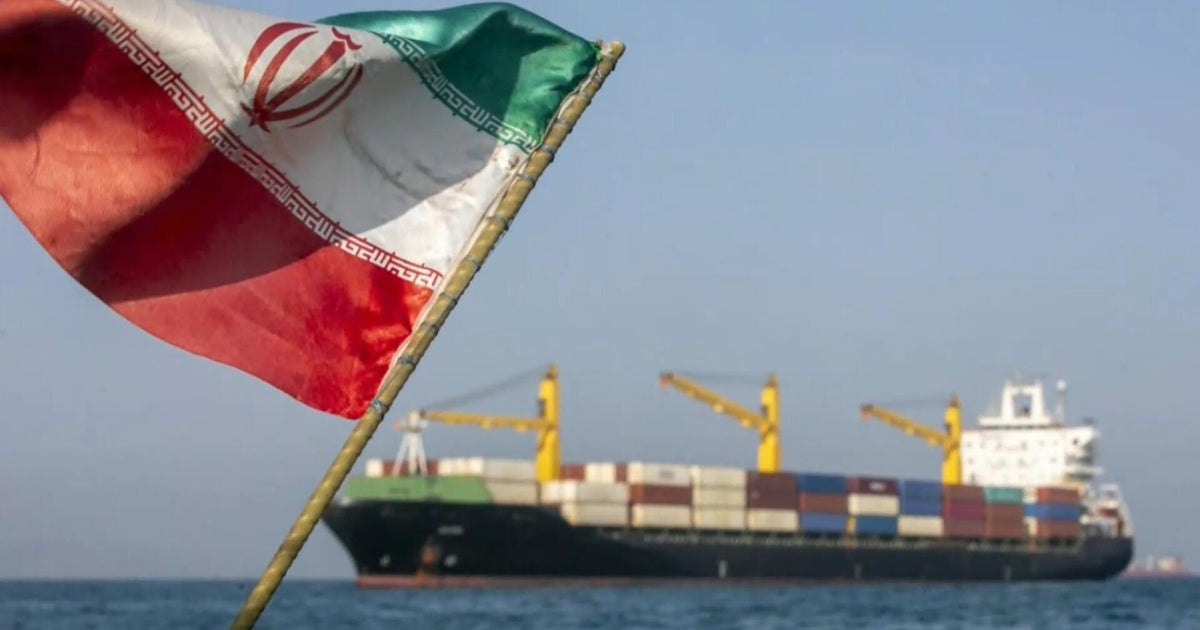
The ongoing tensions between the U.S. and Iran have escalated, particularly following Iran’s recent assaults on vessels in the strategic Strait of Hormuz. In response, U.S. Central Command confirmed that the military has taken measures to counter these threats. While this situation unfolds, world leaders are convening for the annual NATO summit in Turkey, where discussions about global security and regional conflicts will be a priority.
U.S. Military Response to Iranian Attacks
In a decisive move, the U.S. military has launched operations targeting Iranian positions as a response to their aggressive behavior in the Strait of Hormuz, a crucial maritime passage. This retaliatory action underscores the United States’ commitment to protecting its interests and ensuring the safety of international shipping lanes. These waters are vital not only for oil transport but for global trade, making any threat to their security a significant concern for the international community. Central Command’s actions aim to deter further aggressive moves by Iran and signal that the U.S. will not tolerate violations of maritime safety.
NATO Leaders Discuss Global Security
As the crisis develops in the Middle East, the NATO summit in Turkey serves as a platform for world leaders to address pressing security issues, including those posed by Iran. The gathering emphasizes the alliance’s collective commitment to maintaining stability across the globe. Leaders are expected to engage in dialogues about not only the situation in the Strait of Hormuz but also other regional conflicts that could influence international relations. The NATO summit presents an opportunity for nations to reaffirm their solidarity and strategize cooperative responses to emerging threats, ensuring that collective defense remains a cornerstone of their policy.
Implications of Increased Tensions
The heightened tensions between the U.S. and Iran carry significant implications for global markets and geopolitical dynamics. An increase in military activity in the region could lead to volatility in oil prices, affecting economies worldwide. Additionally, as NATO countries rally together, Iran may find itself increasingly isolated, with greater international pressure to cease hostile operations. This situation illustrates the delicate balance of power in the region and highlights the need for diplomacy and dialogue, even amidst military actions.
The Path Forward
Navigating this complex landscape requires careful consideration from all parties involved. The U.S. military’s proactive stance signifies a readiness to protect its strategic interests, yet long-term solutions need to focus on diplomatic engagement. The ongoing discussions at the NATO summit can serve as a critical foundation for future collaborations to address not only the Iranian threat but also broader regional instability. Persistent dialogue, alongside military preparedness, will be essential for fostering a stable environment in the Middle East.
In summary, as the U.S. takes measures against Iran and world leaders gather for the NATO summit, the delicate framework of international relations becomes even more vital. The challenges presented by regional conflicts necessitate a balanced approach that upholds security while promoting diplomatic efforts. As tensions rise, it is crucial for global actors to consider the long-term impacts of their actions and work collaboratively towards a peaceful resolution.