
Introduction to Recent Iran-U.S. Tensions
The tension between the United States and Iran has reached a critical point following a series of retaliatory actions. Recent developments, including military strikes and significant regional reactions, have captured global attention. This article delves into the current state of affairs, providing insights and analysis on the unfolding events.
Understanding U.S. Military Strikes in Iran
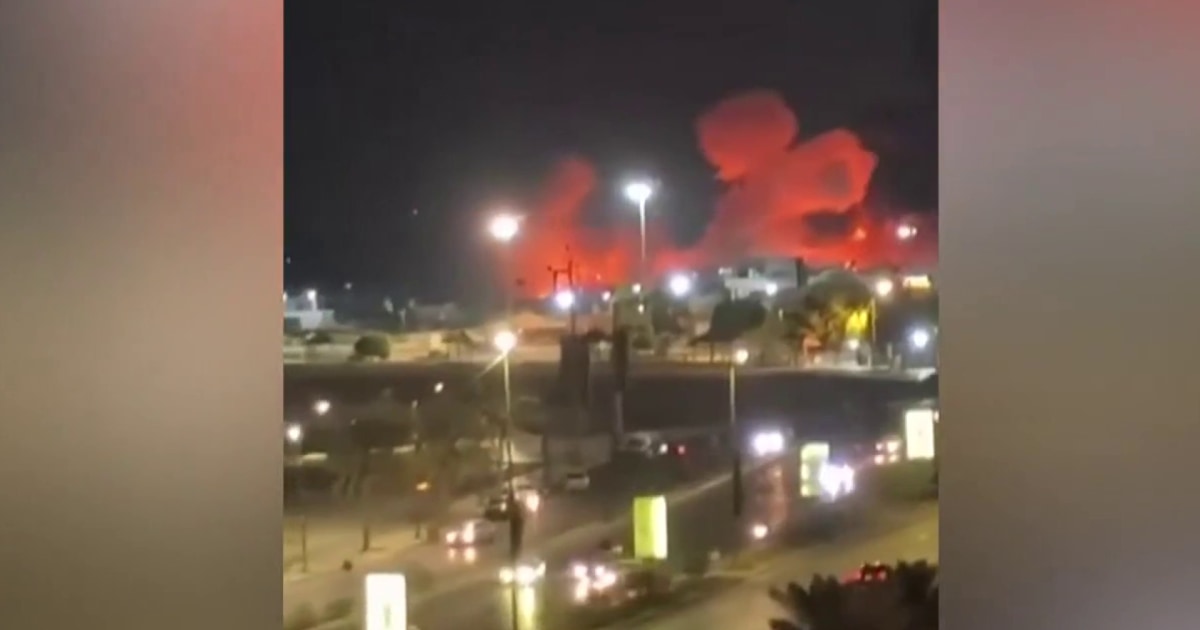
On July 8, 2026, images emerged showcasing significant smoke and flames in Iran, attributed to U.S. military retaliatory strikes. These actions were reportedly launched in response to attacks on commercial vessels in the vital shipping lane of the Strait of Hormuz. Analysts are closely monitoring this escalation to understand its implications for U.S.-Iran relations and regional stability.
The strikes mark a noteworthy surge in U.S. military involvement in the region, reigniting fears of broader conflict. Military experts warn that such actions could provoke further retaliation from Iran, complicating an already intricate geopolitical landscape.
The Political Aftermath and Domestic Reactions
Domestically, the U.S. government’s strategy and decisions are under intense scrutiny. Questions arise regarding the effectiveness of military strikes in persuading Iran to halt its aggressive actions. Striking a balance between strong military presence and diplomatic engagement remains a significant challenge for U.S. policymakers.
Moreover, U.S. officials are tasked with managing public perception and potential backlash from both domestic citizens and international allies. The outcomes of these military actions are likely to influence future foreign policy strategies and military investments in the region.
Iran’s Stance and Regional Impact
In the face of these strikes, Iran’s leaders have condemned the actions, warning of potential retaliation and further escalation. As the situation unfolds, analysts point out that Iran’s response could take various forms, including cyber warfare or proxy conflicts across the region.
The complexities of Iran’s positioning and its alliances are critical factors that influence the potential repercussions of the ongoing conflict. The geopolitical terrain is intensely competitive, with each action from either party poised to trigger a chain reaction involving neighboring countries and actors.
Conclusion: A Path Forward
The situation between the U.S. and Iran remains precarious, marked by military threats and political maneuvering. As both sides navigate these tumultuous waters, the international community must pay close attention to this evolving crisis. The need for strategic diplomacy remains crucial if both nations hope to avert a larger-scale conflict.
The dynamics at play require careful consideration, as the stakes are high not just for the U.S. and Iran, but for global stability as well. Moving forward, the potential for dialogue and diplomatic resolutions will be essential in mitigating further escalations.