
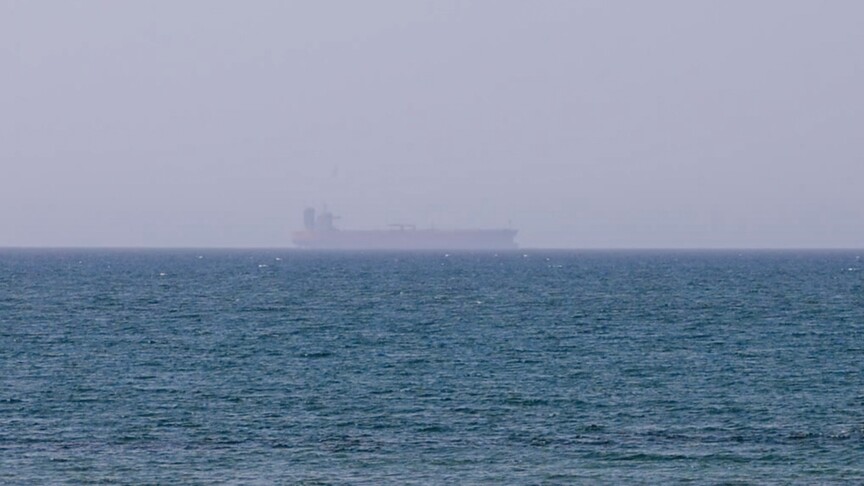
On July 7, 2026, tensions between Qatar and Iran escalated after an Iranian missile strike targeted a Qatari vessel near the critical shipping lane of the Strait of Hormuz. Qatar promptly summoned Iran’s deputy ambassador in Doha, Mohsen Mohammad Qanei, to express strong condemnation of the incident. This move underscores the ongoing geopolitical tensions in a region vital for global energy supplies.
Qatar’s Formal Protest Against Iran
The Qatari Foreign Ministry issued a formal protest through Ibrahim bin Yousuf Fakhro, who heads the ministry’s Protocol Department. In the protest note delivered to Qanei, Qatar unequivocally rejected the Iranian attack, characterizing it as a serious violation of its sovereignty. Qatar’s response also emphasized the importance of maintaining security in the region, calling for Iran to cease actions that could jeopardize both regional stability and global energy supply chains.
Qatar’s statement articulated its right to defend its national interests and assets, suggesting potential repercussions if such incidents were to recur. Furthermore, Qatar has urged Iran to provide a prompt explanation for the attack and to undertake immediate measures to prevent further incidents.
Iran’s Response to Allegations
In a counter-response, Iran’s Foreign Ministry spokesman, Esmaeil Baqaei, dismissed Qatar’s allegations. He insisted that Tehran is fully committed to ensuring safe navigation through the Strait of Hormuz, a crucial waterway for international shipping. Baqaei claimed that vessels navigating routes without prior coordination with Iranian authorities expose themselves to risks, potentially undermining Iran’s efforts to maintain safe maritime traffic.
The Al-Rekayyat vessel was reportedly one of two commercial ships targeted by Iranian missiles late on Monday. Although the attack resulted in significant damage to the ships, it did not lead to any fatalities. This incident has reignited discussions about maritime security in one of the world’s most critical energy channels, where a significant portion of global oil and liquefied natural gas exports are transported.
The Strategic Importance of the Strait of Hormuz
The Strait of Hormuz is widely recognized as one of the globe’s key energy chokepoints. It is a vital passage not only for Gulf countries but also for global energy markets. Any disruption in this region can have far-reaching consequences for energy prices and supply stability worldwide. The increasing militarization and tensions in and around the Strait raise alarms among international stakeholders concerned about the implications for shipping safety and energy security.
In light of recent provocations, it’s crucial for all parties involved to seek dialogue and conflict resolution to avert potential escalations. The incident serves as a reminder of the fragile nature of peace in a region heavily reliant on the free transit of goods and resources. Continued diplomatic engagement will be essential to mitigate the risks and sustain the vital flow of energy resources that underpin the global economy.
As the international community watches these developments closely, it remains to be seen how both Qatar and Iran will navigate this complex situation, balancing national interests with regional stability.