
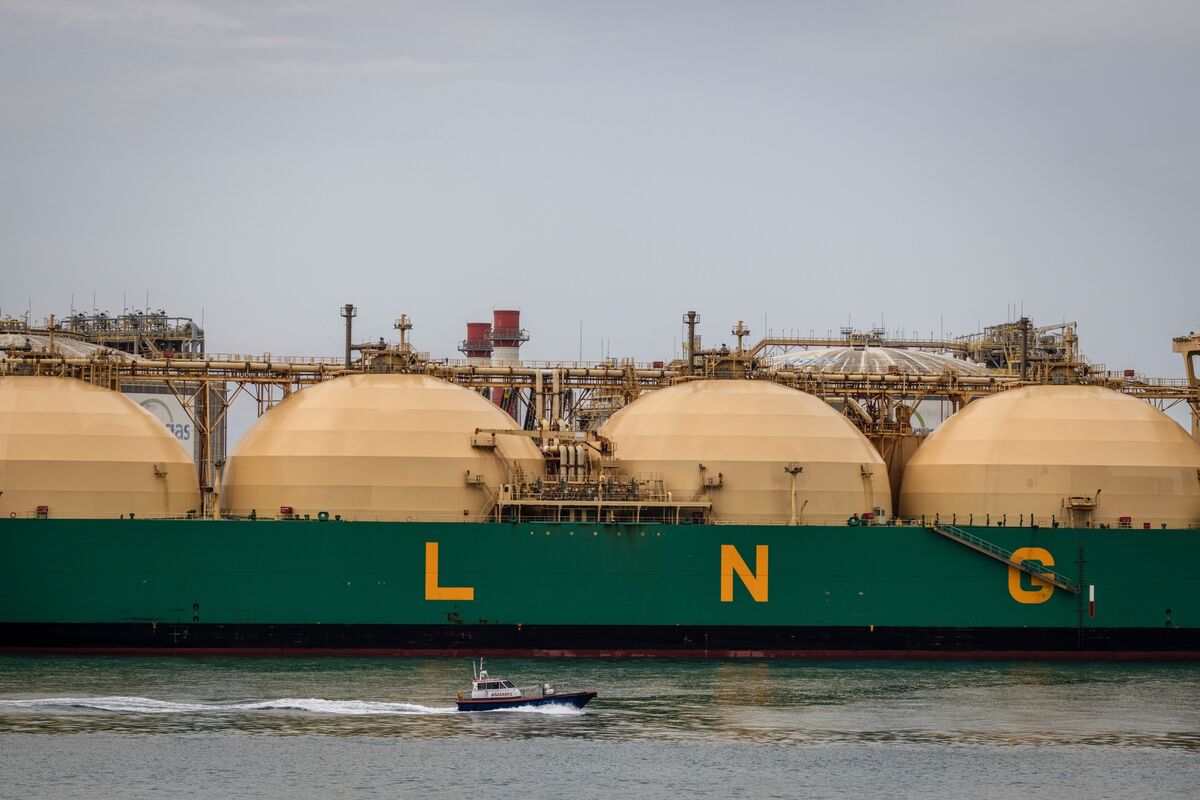
A recent incident involving the Al Rekayyat gas carrier has sent shockwaves through the global gas market. On Tuesday, this vessel was struck by a projectile, an event that not only raises immediate safety and operational concerns but also has implications for gas supply and pricing on a worldwide scale.
Impact on Global Gas Supply
The attack on the Al Rekayyat raises alarms about the stability of oil and gas supply routes. Such incidents often lead to increased scrutiny of shipping lanes and can cause significant disruptions. Given that this carrier plays a crucial role in transporting liquefied natural gas (LNG), the attack could trigger fears of supply shortages, particularly in regions heavily reliant on imports. Analysts are closely monitoring the situation for any signs of escalated conflict or further attacks that might compromise energy distribution.
The ripple effects of this incident extend far beyond immediate geographic concerns. Countries that depend on consistent LNG shipments might experience price hikes as fear of scarcity grows. For instance, nations in Europe and Asia, where natural gas is a key component of the energy mix, may be forced to explore alternative and potentially more expensive sources of energy. These shifts can lead to broader implications for energy prices worldwide, affecting everyone from consumers to industrial sectors.
Market Reactions and Price Fluctuations
In the wake of the attack, commodity markets reacted swiftly. Gas prices surged as traders adjusted their positions, anticipating potential disruptions in supply. This volatility is indicative of how sensitive global markets are to geopolitical events. Market participants are weighing the consequences of this incident, considering factors such as insurance costs for shipments and the potential for increased military presence in affected regions.
Furthermore, experts note that persistent instability in areas critical to gas delivery can result in longer-term economic implications. Countries may become more aggressive in securing alternative energy sources, fostering a shift towards renewable options or increased domestic production. Nevertheless, the immediate impact is likely to be felt through increased costs for consumers and industries, as supply chain disruptions lead to higher operational expenses.
Safety and Security Concerns
Beyond economic implications, the attack underscores significant safety and security issues within the energy transportation infrastructure. Shipping companies might be compelled to reassess their risk management protocols and enhance security measures for vessels operating in high-risk zones. This might involve employing advanced tracking technologies, deploying armed escorts, or altering routes to mitigate risks.
Such changes could lead to higher shipping costs, which would ultimately be passed down the line to consumers. Companies might also face regulatory scrutiny, with governments stepping in to ensure more rigorous safety protocols are enforced. As policymakers grapple with the security of energy supplies, the broader energy landscape may require urgent reevaluation to safeguard against similar incidents in the future.
In conclusion, the strike on the Al Rekayyat gas carrier is a stark reminder of how volatile the global energy market can be, influenced not only by supply and demand but also by geopolitical tensions. Stakeholders across the industry—ranging from governments to consumers—must remain vigilant as the repercussions of this event unfold. Moving forward, the energy sector will likely see increased focus on security and resilience in order to prepare for any future challenges that may arise.