
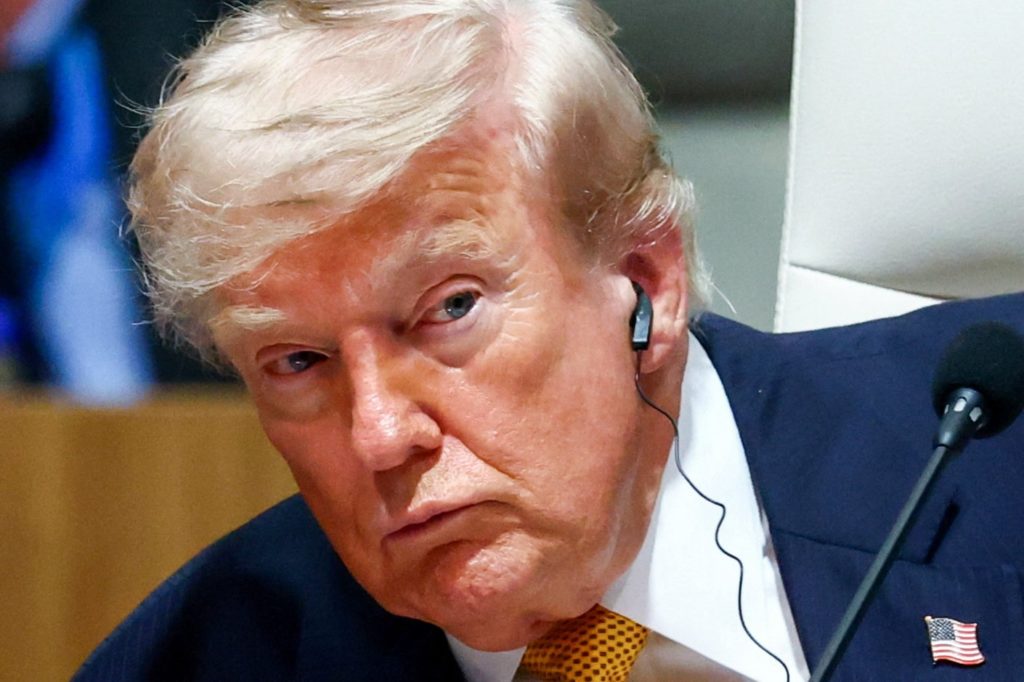
ANKARA, Turkey — During a recent NATO summit in Turkey, President Donald Trump expressed his dissatisfaction with the alliance, specifically criticizing certain member nations for their hesitance to support U.S. initiatives, including the controversial desire to control Greenland and the military campaign in Iran.
### Tensions at NATO
As NATO leaders gathered in Ankara, Trump reiterated his claim that Greenland, which is a semi-autonomous territory of Denmark, is crucial for U.S. global security. He accused several European countries, particularly Spain, of being inadequate partners in NATO, particularly for not contributing to the Iran operation. This criticism highlights ongoing tensions within the alliance, where the U.S. has been urging European nations and Canada to increase their defense budgets to meet set spending targets.
The United States has been drawing down troop numbers in Europe, prompting greater pressures on allies to take initiative for their own defense. Despite Trump’s fervent requests for increased financial contributions from NATO members, the commitment from some nations has faltered, struggling to meet even the previous target of 2% of GDP on defense—a sentiment Trump has vocalized by dubbing NATO a “paper tiger” amidst still unmet obligations.
### European Response
In response to Trump’s assertions, Danish Prime Minister Mette Frederiksen stood firm, emphasizing Denmark’s commitment to defend its territory and uphold NATO’s collective defense principles. She denied any notion of selling Greenland, asserting that the right to self-determination for the Greenlandic people should be respected. This highlight of national pride and autonomy comes amid Trump’s controversial focus on Greenland, drawing ire from various European nations.
NATO Secretary-General Mark Rutte sought to mitigate the tensions by pointing out the recent improvements in defense spending among member nations. He acknowledged that without Trump’s influence, some of these increases may not have occurred, showing a duality of necessity and frustration in the transatlantic relationship.
### Escalating Conflicts and Critiques
As the summit progressed, Rutte also praised U.S. military actions against Iran, framing them as essential responses to aggression. Trump’s positions on Iran have consistently been aggressive, stressing that discussions with Tehran are becoming futile and that military actions are necessary.
However, the broader implications of this assertive U.S. posture raise concerns among certain NATO members. The ongoing debates about defense funding within NATO, subsidies from the Pentagon, and the U.S. commitment toward ensuring a unified European defense strategy put into question how effectively the alliance can address simultaneous threats, from Russia’s maneuvers in Ukraine to growing pressures in the Middle East.
While NATO members demonstrate a facade of unity, Trump’s demands for loyalty and enhanced military expenditure draw a rift, evoking discussions around “NATO 3.0,” a concept emphasizing European self-sufficiency in defense.
### Future Implications
President Volodymyr Zelenskyy of Ukraine actively advocated for NATO membership during this summit, asserting that joining the alliance would enhance its collective defense. His proclamation of Ukraine’s military capabilities emphasizes that the nation is strategically positioned to bolster NATO’s strength in the face of Russian aggression.
The outcomes of this NATO summit could significantly influence future U.S.-Europe relations, particularly regarding defense collaboration. The varying alignments among member nations in addressing issues of funding and collective security could forecast a shifting landscape for NATO as it grapples with both internal and external challenges.
In the dynamic geopolitical climate, unity among allies may be tested further, pivoting on the critical decisions made in these high-stakes meetings. The extent to which NATO can adapt to Trump’s criticisms and maintain a robust, collaborative defense strategy remains pivotal for its future and the security of the transatlantic community.