
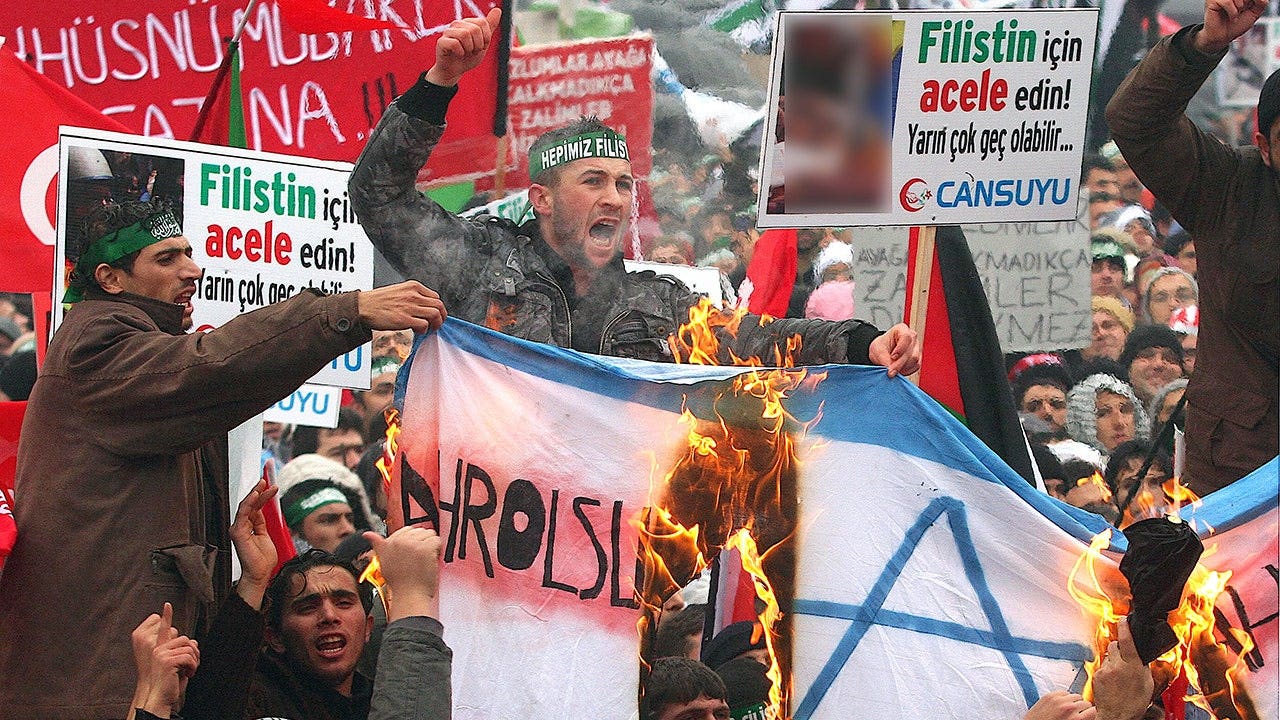
In recent discussions surrounding NATO’s summit in Ankara, one alarming trend has emerged that has not received adequate media attention: the growing antisemitic rhetoric from Turkish officials. As geopolitical tensions rise due to factors like Russia’s aggression in Ukraine, the relationship between Turkey and Israel continues to deteriorate, marked by increasingly hostile statements from Turkish leaders.
Escalating Rhetoric from Turkish Officials
In a recent CNN Türk interview, Turkish Foreign Minister Hakan Fidan characterized Israel as “a burden that humanity can no longer bear.” He further conveyed that Israel exemplifies “humanity’s common problems” and urged other nations to exert pressure on the Jewish state. This type of incendiary language has prompted significant concern from international observers and Israeli officials alike. Israeli Foreign Minister Gideon Sa’ar condemned Fidan’s remarks as a “clear call for genocide,” emphasizing that dehumanization often precedes violent acts against a people.
Sa’ar highlighted the historical weight that comes with such words, comparing them to past rhetoric that led to atrocities against the Jewish population. These statements resonate alarmingly with phrases from a century ago, invoking memories of systematic persecution. Sinan Ciddi, a senior fellow at the Foundation for Defense of Democracies, labeled Fidan’s comments as among the worst from any state representative since the Holocaust, emphasizing their disturbing implications.
Historical Context and Current Implications
Ciddi argues that the current wave of anti-Israel hostility in Turkey has roots dating back to 2008, when President Recep Tayyip Erdoğan began undermining the once-strong bilateral ties with Israel. This antagonism has only intensified following recent conflicts, exposing a systemic pattern of hostility that is alarming to many observers. For example, Turkish Interior Minister Mustafa Çiftçi recently claimed the world would “witness the liberation of Jerusalem,” sentiment that echoes Erdoğan’s long history of inflammatory remarks against Israel.
Despite Erdoğan’s occasional denunciations of antisemitism, such remarks appear incongruous with the pervasive rhetoric coming from his administration. In private discussions, Erdoğan has reportedly stated that antisemitism is a crime against humanity, yet his public statements paint a different picture, showcasing a dual strategy that raises questions of authenticity and intent.
Public Sentiment and International Response
Public opinion in Turkey reflects a deep-seated aversion towards Israel. A Pew Research survey indicated that 91% of the Turkish populace holds “very unfavorable” views of Israel, a stark contrast to the global sentiment landscape. This demographic attitude creates an environment where anti-Israel sentiments can flourish, supported by the government’s rhetoric.
In response to these developments, U.S. officials have emphasized Turkey’s status as a longstanding NATO ally. However, analysts suggest that the U.S. government has numerous channels through which it could express disapproval of Turkey’s increasingly hostile stance toward Israel. Some argue that the U.S. could effectively use diplomatic measures to demand accountability for the incendiary comments made by Turkish leaders.
As NATO continues to convene in Ankara, experts caution that Turkey may attempt to distract from its human rights record by portraying itself as an invaluable ally. Continuous scrutiny and accountability for Turkey’s troubling rhetoric are critical to safeguarding democratic norms and human rights within the alliance. The challenge now lies in balancing geopolitical ties with moral responsibilities, particularly regarding hate speech and racism.