
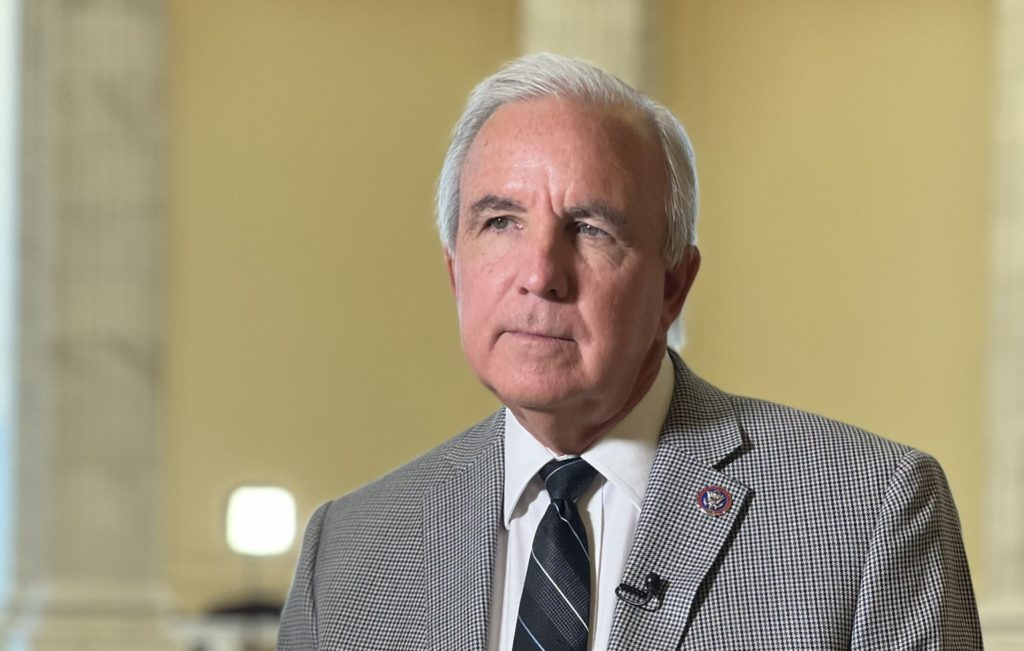
U.S. Representative Carlos Giménez has announced his resignation as co-chair of the bipartisan Congressional Friends of Spain Caucus, prompted by increasing tensions between Spain and Israel. This decision highlights the strain in international relations and the implications for U.S. foreign policy, particularly in its support for Israel.
Reasons Behind Resignation
Giménez, a Republican from Florida’s 28th District, expressed concern over Spain’s approach to Israel, particularly under Prime Minister Pedro Sánchez. In a letter addressed to Sánchez, he articulated his disappointment with Spain’s actions, which he described as politically motivated and lacking moral clarity. The congressman specifically criticized Spain’s “hostile crusade” against Israel, particularly during a time when the Jewish state is facing serious threats from groups like Hamas and Hezbollah.
Allegations of Antisemitism
In his correspondence, Giménez raised alarms about language and policies coming from the Spanish government that he believes veer into antisemitism. He cautioned that Madrid’s rhetoric could embolden groups that aim to harm Jewish communities worldwide. Highlighting Spain’s controversial decisions, he identified an “unprecedented decree” that restricts the entry of members of the Israel Defense Forces (IDF) into Spain. He argued that this stance undermines the collective efforts against radical terrorism, threatening Western democratic values.
Impact on U.S.-Spain Relations
Giménez’s decision to leave the caucus reflects a broader deterioration in U.S.-Spain relations. The congressman noted that Spain’s recent policies, including an arms embargo against Israel and restrictions on military transports to allied nations, further complicated this relationship. He emphasized that such actions place Spain “firmly on the wrong side of the global fight for freedom,” leading to concerns about Spain’s commitment to Western alliances.
The Path Forward
While Giménez remains hopeful that Spain might reconsider its foreign policy and align itself more closely with democratic allies, he believes that continuing his role in the caucus would be disingenuous. He stated his inability to celebrate U.S.-Spain friendships when Spain appears to contravene democratic norms. This division showcases the complexities of international alliances in the face of conflicting moral and political agendas.
In the backdrop of these tensions, Sánchez has maintained that U.S.-Spain relations are “very positive,” despite the criticisms. He has been vocal against Israel’s military actions, particularly in Gaza, which have drawn international scrutiny and contributed to rising antisemitic incidents within Spain. The future of this relationship will largely depend on how these issues evolve amidst global geopolitical dynamics.