
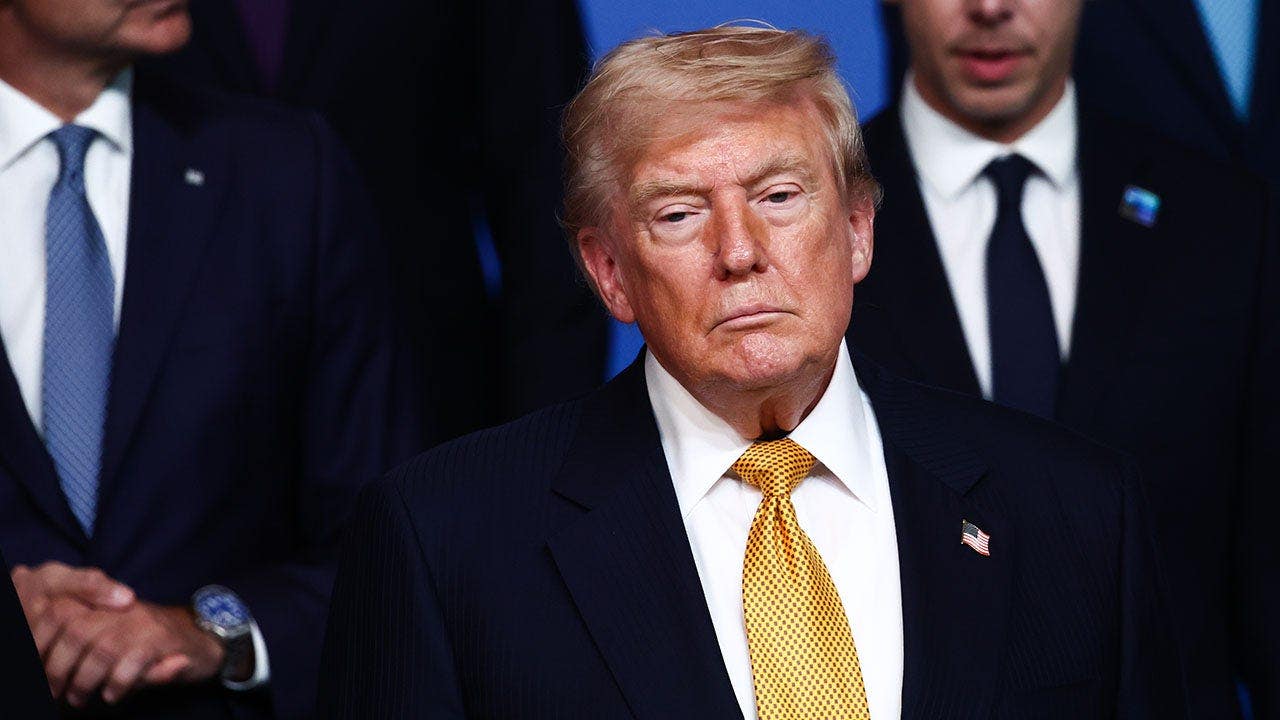
During the recent NATO summit in Ankara, Turkey, President Donald Trump expressed strong discontent with fellow NATO members, criticizing their lack of support for the U.S. As tensions rise globally, Trump’s remarks signal a shift in how America views its alliances and security responsibilities.
Trump’s Frustration with NATO Allies
At the summit, Trump highlighted two major grievances: NATO’s perceived inaction regarding Iran, recognized as a leading state sponsor of terrorism, and the handling of Greenland, a territory he has suggested the United States should control. “I’m not happy with NATO because they haven’t wanted to help us with Iran,” Trump stated, adding that he wanted to test the alliance’s commitment by gauging their support for U.S. policies. His bold assertions raise questions about NATO’s collective defense and obligations in an increasingly tumultuous geopolitical landscape.
Greenland: A Strategic Interest
Trump’s interest in Greenland isn’t just about territorial acquisition. He argues that the region is critical for U.S. national security, particularly amid growing Chinese and Russian influences in the Arctic. The President has repeatedly stated that the island’s geographical position is essential for the U.S. missile warning systems and overall defense architecture. He believes it is vital for “the protection of the world, not just the United States,” thereby emphasizing a broader global responsibility in securing national interests.
Despite Trump’s repeated suggestions to purchase Greenland from Denmark, Danish leaders have firmly opposed the notion, reiterating that the territory is “not for sale.” Prime Minister Mette Frederiksen explicitly asserted Denmark’s commitment to defending Greenland and respecting its people’s right to self-determination, reinforcing the idea that discussions surrounding Greenland should involve its local citizens.
Challenges with Iran
The summit coincided with escalating tensions in the Middle East as Trump declared a tentative ceasefire with Iran ineffective. Referring to Iran in harsh terms, he deemed recent attacks on trade vessels in the Strait of Hormuz as intolerable, leading him to call the negotiation process a “waste of time.” After the U.S. conducted airstrikes against Iranian targets, Trump’s rhetoric became increasingly aggressive, marking a significant shift in U.S.-Iran relations.
Trump’s dissatisfaction with NATO, combined with his aggressive stance on Iran, paints a picture of a U.S. administration that seeks more robust commitments from allies while simultaneously pursuing a unilateral approach in critical global conflicts. Conflating the issues of NATO and Middle Eastern tensions, Trump’s remarks at the summit could signify a turning point in how the U.S. engages with international coalitions moving forward.
In summary, the recent NATO summit showcased Trump’s frustrations with international alliances, particularly concerning issues around NATO’s support for U.S. actions in the Middle East and the acquisition of Greenland. As geopolitical dynamics shift, the emphasis on national sovereignty and strategic territorial claims may redefine how alliances function in the future, raising pressing questions about collective security in a rapidly evolving world.