
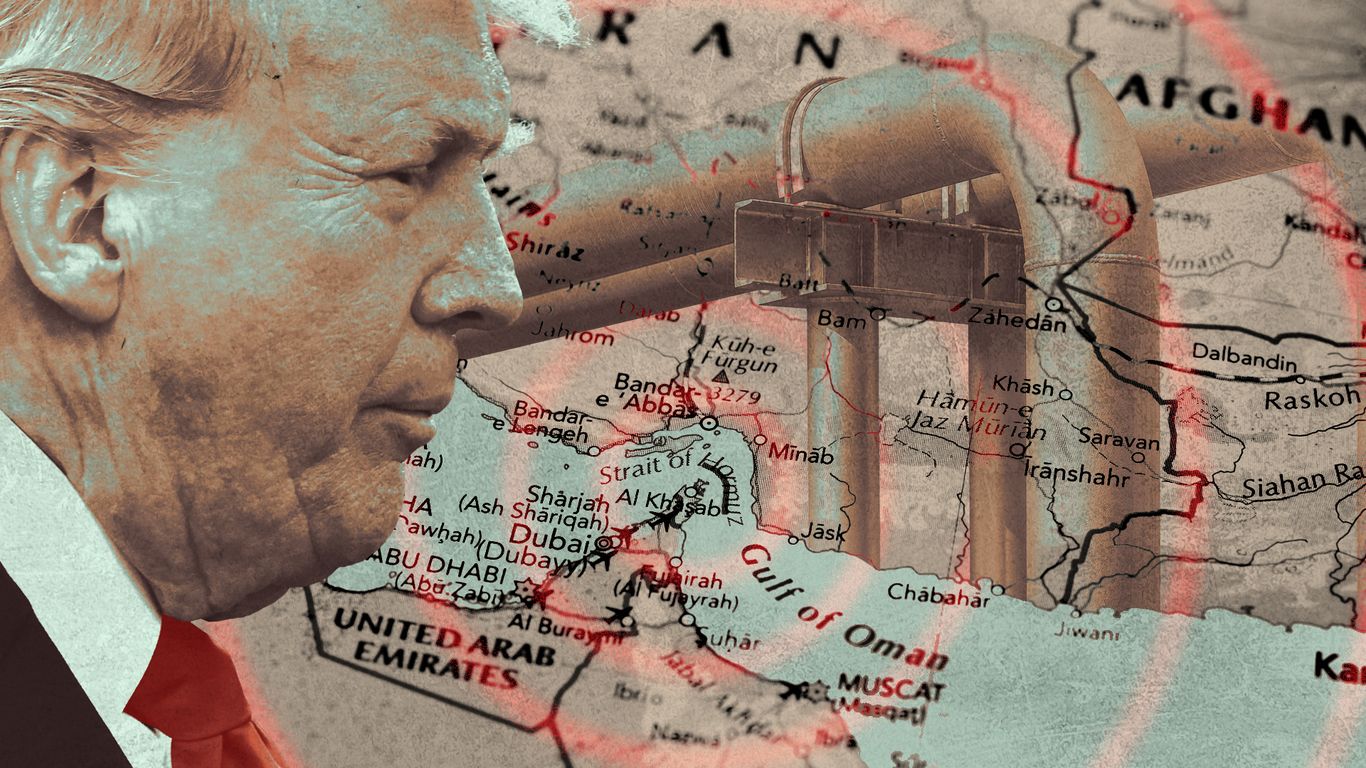
The current landscape suggests that the United States is bracing for a potential extended conflict, which may involve continuous exchanges of fire lasting several days or even weeks. This situation is drawing significant attention and raising concerns about the implications for domestic and international stability.
Potential Duration of the Conflict
Experts believe that the ongoing tensions could lead to an extended firefight, with various analysts speculating on the duration. A multi-day or multi-week engagement poses significant challenges not only for military strategy but also for broader geopolitical dynamics. The fear is that prolonged combat could lead to escalating violence that might require greater involvement from allied nations, potentially complicating the original scope of the conflict.
Implications for Domestic Security
With the possibility of an extended exchange of hostilities, there will be profound implications for domestic security. The U.S. government must prioritize safeguarding its citizens while ensuring the military is prepared for long-term operations. The concern extends beyond just military personnel; civilians in conflict zones may find themselves at increased risk. Therefore, a robust framework for managing domestic security and emergency response is vital.
Global Reactions and Impact
The international community is closely watching the unfolding situation. Nations around the globe will need to navigate their diplomatic stances carefully, as the repercussions of a prolonged conflict could be far-reaching. Economic ramifications might include fluctuation in stock markets and disruptions in trade. Such instability may provoke reactions from allied nations and adversaries alike, further exacerbating tensions in various geopolitical arenas.
The Road Ahead: Strategic Considerations
As the U.S. prepares for the possibility of an extended engagement, strategic considerations will play a crucial role in decision-making processes. Military leaders must evaluate resource allocation, troop readiness, and logistics to ensure a sustainable response. Moreover, dialogues concerning potential peace negotiations must commence to prevent the situation from spiraling out of control. Finding a viable path forward will require a delicate balancing act between military objectives and diplomatic efforts.