
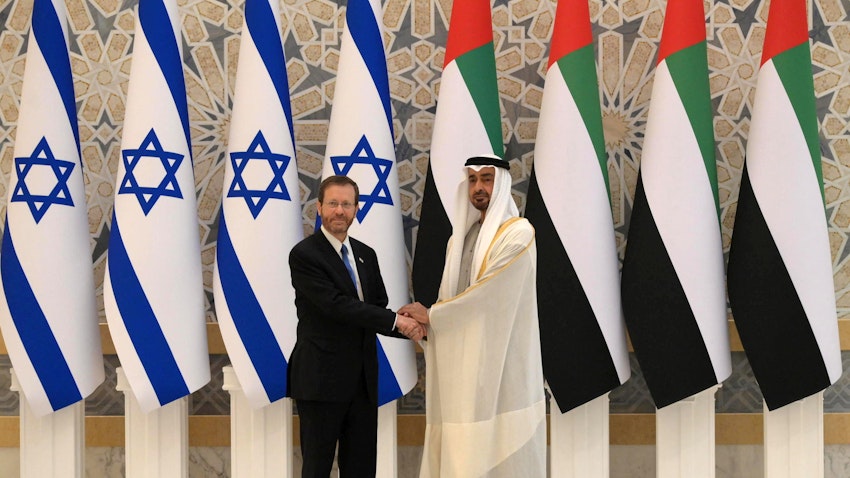
The dynamic geopolitical landscape in the Middle East continues to shift, especially regarding the relationship between the United Arab Emirates (UAE) and Iran. Following the Israeli-US strike on Iran in February 2026, the UAE has found itself increasingly vulnerable to potential Iranian reprisals, largely due to its close ties with Israel. This situation prompts a deeper examination of the UAE’s strategic partnerships and the implications of its burgeoning alliance with Tel Aviv.
The UAE’s Position in Regional Geopolitics
The Emirati state has emerged as an apparent target for Iranian retaliation, primarily due to its perceived closeness to Israel. Experts argue that this vulnerability is rooted in Tehran’s view of Abu Dhabi as a key regional ally of Tel Aviv. The deployment of Israel’s Iron Dome missile defense system in the UAE, although officially unacknowledged, adds to this perception, reinforcing Abu Dhabi’s role as a critical partner in Israel’s military strategy. Such developments indicate a deepening security collaboration that may have significant implications for the UAE’s regional standing.
Potential Consequences of a Failed Accord
One of the central issues surrounding this fragile geopolitical relationship is the potential failure of any Iran-US agreements. If a broader regional accord fails to materialize—particularly one that involves Lebanon—the UAE could find itself as a primary target in any escalating tensions. The risk is that Iran may regard the UAE not just as a strategic partner to Israel but also as a distinct arena for its retaliatory actions. This could transform the Emirati-Israeli relationship from a strategic asset to a source of vulnerability amidst escalating regional conflicts.
Perspectives from Regional Experts
To gain deeper insights into these dynamics, Amwaj.media has engaged three experts who specialize in Middle Eastern affairs. One such expert, Dina Esfandiary, serves as the Middle East Geoeconomics Lead for Bloomberg Economics. Her analysis highlights the precarious nature of the UAE’s position in light of shifting alignments in the region. Experts emphasize that the UAE must tread carefully as it navigates its relationship with both Israel and Iran, weighing the benefits of its alliances against potential risks.
Ultimately, the evolving nature of the UAE’s strategic partnerships invites scrutiny on how these dynamics will shape the Middle East’s future. As regional stability remains uncertain, the actions taken by Abu Dhabi will likely play a crucial role in determining whether these alliances serve as assets or liabilities in the challenging geopolitical landscape.
In conclusion, the UAE’s deepening ties with Israel present both opportunities and challenges. The prospect of Iranian retaliation will require careful consideration of how the UAE positions itself within this intricate web of alliances. A comprehensive understanding of these relationships will be vital for policymakers seeking to navigate the complexities of Middle Eastern geopolitics in the years to come.