
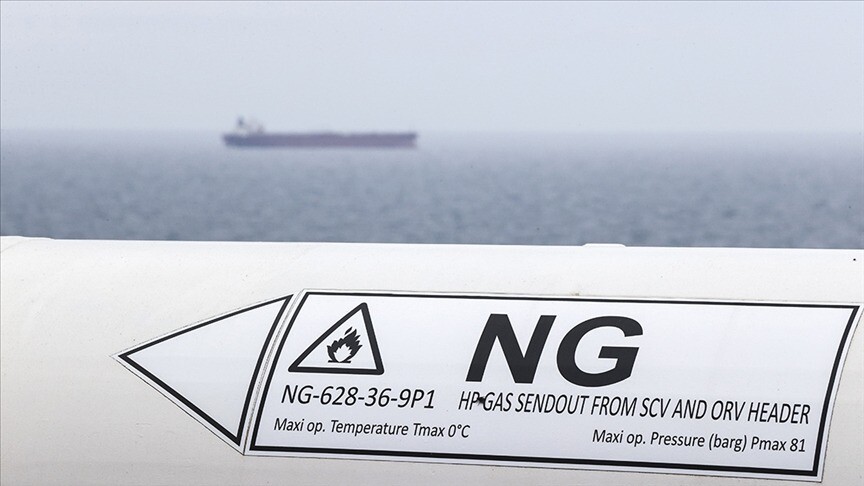
Qatar’s efforts to boost production at the world’s largest liquefied natural gas (LNG) facility have been momentarily halted due to recent security concerns following an attack on one of its tankers near the Strait of Hormuz. This situation underscores the fragile stability in the region and its impact on global energy supplies.
QatarEnergy Halts Production Plans
According to reports, QatarEnergy’s leadership, including CEO Saad Al-Kaabi, convened multiple meetings in response to the attack that occurred on Tuesday. As a precautionary measure, the company has decided to suspend plans for increasing output at the Ras Laffan complex. The current operations at this facility will now be maintained at minimum levels, reducing the number of vessels scheduled to dock in the coming days.
This decision reflects the broader repercussions of heightened tensions in the Hormuz Strait, a critical passage for global energy shipments, especially LNG exports. Such unrest has followed attacks on multiple ships in the area, along with recent military actions by the U.S. against Iran.
Impact on Global Gas Market
The pause in operations at Ras Laffan could exacerbate an already strained global gas market. Europe and Asia, in particular, are under pressure to secure energy supplies as winter approaches. Spot prices for LNG in Asian markets have surged to over 80% above pre-war levels. Furthermore, European benchmark gas prices have increased beyond €50 ($57.1) per megawatt-hour, a level not seen since a recent peace agreement between the U.S. and Iran.
Originally, Qatar was poised to resume a majority of its LNG production within two months, closely monitoring conditions to ramp up production quickly. However, the escalating tensions in the region have led to this unexpected pause, leaving many uncertain about the timeline for restoration of output.
Challenges Facing the Ras Laffan Facility
The Ras Laffan facility has faced significant operational challenges since early March, when it was largely shut down following an Iranian drone attack. Subsequently, about 17% of the facility’s capacity was compromised by a missile strike weeks later, with repairs to the damaged areas expected to take at least three years. This prolonged downtime further complicates Qatar’s ability to stabilize LNG production levels.
Furthermore, QatarEnergy recently extended force majeure notifications concerning LNG supplies to several Asian clients until August, adding more uncertainty regarding when full operations might resume. The ramifications of these disruptions on buyers’ supply chains could be substantial, as they scramble to find alternatives in an increasingly tight market.
Recent Developments in Maritime Security
The latest incident involving Qatar’s Al Rekayyat LNG tanker, which was struck by Iranian forces, has heightened security concerns. The attack rendered the vessel disabled and prompted the crew to abandon ship. In addition, two other vessels experienced similar aggressions, resulting in a marked decrease in maritime traffic through the Strait of Hormuz on Thursday.
The situation remains dynamic, and QatarEnergy is now adopting a cautious approach as it navigates these developments. With the potential for further escalations, the global community will be closely monitoring the situation, recognizing the Strait of Hormuz’s vital role in international energy transport. Stabilizing the region is crucial not only for Qatar but for global energy security as a whole.