
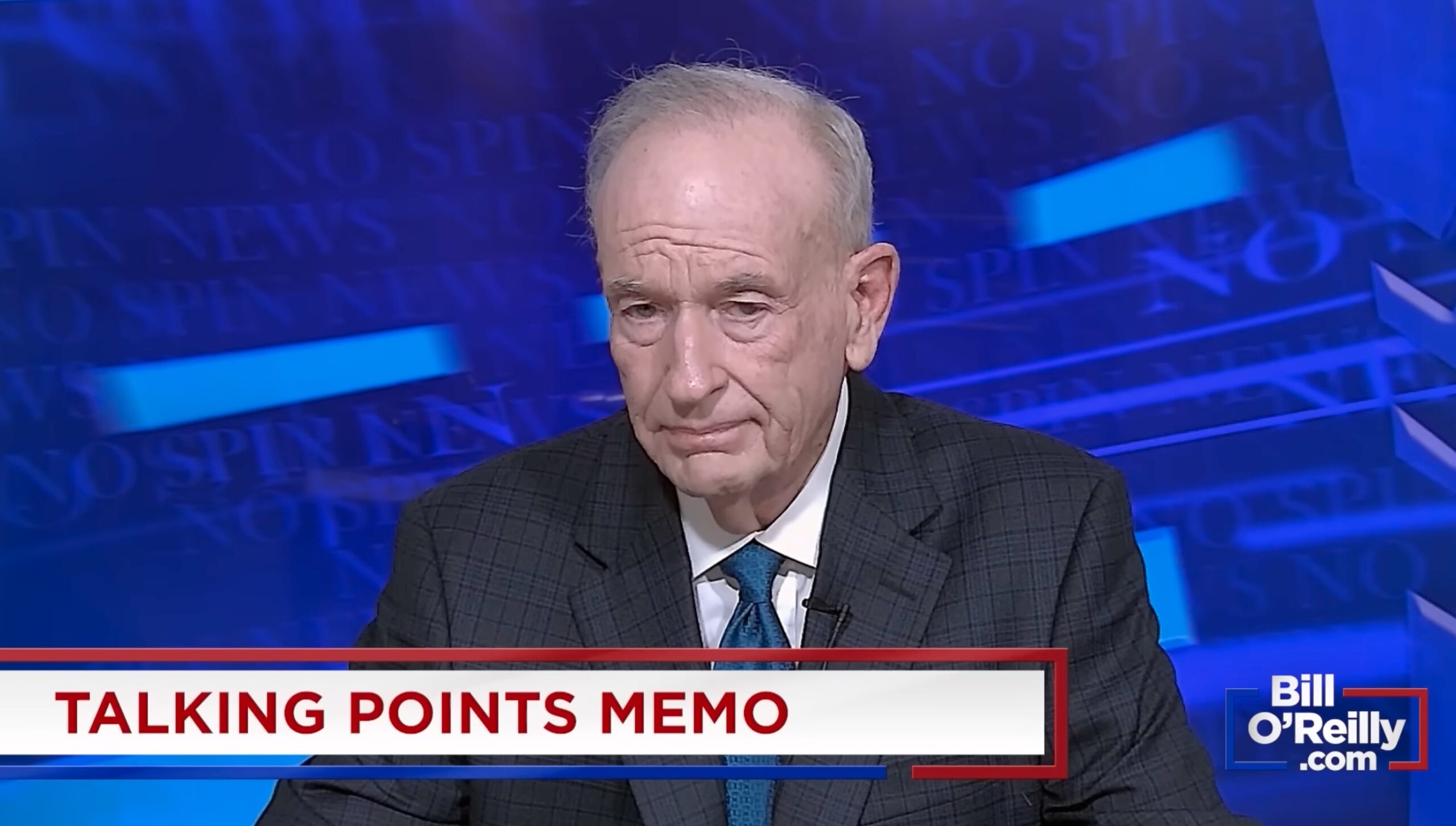
Bill O’Reilly recently expressed his ongoing regret over his support for the Iraq War while urging President Donald Trump to intensify military actions against Iran. This sentiment emerged during his YouTube show, where he emphasized the necessity of force to address the evolving situation with Tehran.
The Fallout from the Iraq War
During his discussion, O’Reilly recalled the mistakes he made regarding the 2003 invasion of Iraq, admitting that the misrepresentation of facts influenced his support for the war. He pointed out that many, including himself, relied on reports claiming that former Iraqi leader Saddam Hussein possessed weapons of mass destruction. “That turned out to be wrong,” he stated definitively, regretting the resultant chaos that unfolded and its impact on the United States. The decision to go to war remains a heavy burden for him, a constant reminder of the perils of hastily accepting information without due diligence.
Iran’s Current Threat
Transitioning to the current state of affairs, O’Reilly highlighted President Trump’s announcement that the ceasefire with Iran was effectively over. This declaration follows allegations that Iran violated terms by targeting both commercial shipping and U.S. military assets. O’Reilly expressed that the only viable solution to halt Iran’s hostile acts lies in military intervention, stating, “I don’t see any other way.” His views reflect a growing concern about the increasing tensions between the two nations.
Military Action on the Table
Highlighting the urgency of the situation, O’Reilly advocated for comprehensive military strikes against Iran’s infrastructure. He stressed the need for a decisive move that would hinder Iran’s daily operations drastically. He emphasized that it was critical to target their facilities and power systems to facilitate a swift resolution to the ongoing threat posed by the Iranian regime. O’Reilly attributed much of the turmoil to Iran’s Islamic Revolutionary Guard Corps, asserting that they wield significant control over the nation, not the clerical leadership.
Implications for U.S. Foreign Policy
O’Reilly’s comments suggest a pressing need for the U.S. to reassess its foreign policy strategies in the region. As tensions escalate, the risk of military confrontation looms larger, and the consequences of inaction or missteps could be severe. He predicted that military action against Iran could be imminent, given the lack of cooperation from the Iranian leadership. This stance could potentially reshape the narrative of U.S. involvement in the Middle East, particularly as the political landscape continues to shift.
In conclusion, O’Reilly’s reflections on Iraq serve as a cautionary tale in the context of current events with Iran. The potential for military escalation raises crucial questions about how history influences modern decision-making and the importance of careful consideration before engaging in international conflicts. With tensions in the region at a high, the direction U.S. foreign policy takes could have far-reaching implications for both American interests and global stability.