
The Zohran Mamdani administration’s engagement with international entities has raised eyebrows, particularly with its recent planned interaction with Iranian officials. This development has sparked discussions about the administration’s approach to foreign policy and its implications for New York City.
Meeting with Iranian Officials Aborted
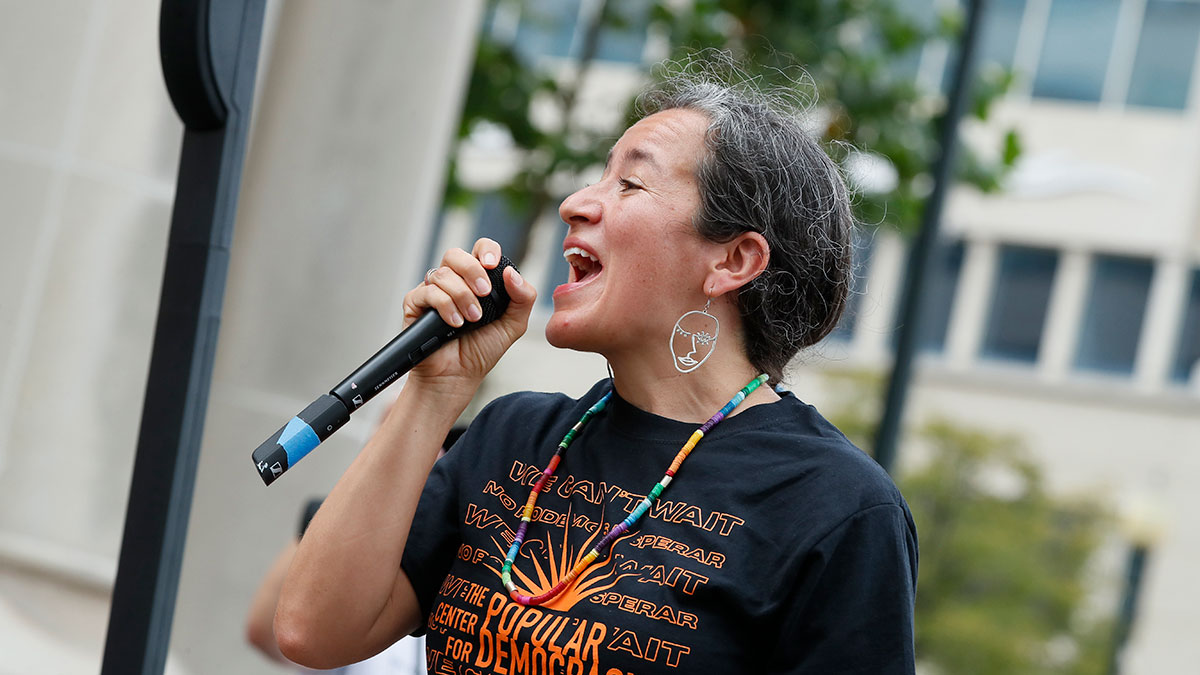
Commissioner Ana María Archila of the Office for International Affairs was slated to meet with Amir-Saeid Iravani, Iran’s permanent representative to the United Nations, on July 7. Confirmation came from various sources, including calendar screenshots reviewed by City Journal. However, the State Department intervened, indicating that it had not been informed about this meeting in advance, leading to its cancellation. According to insiders, Archila failed to inform Mayor Mamdani, resulting in a reprimand and orders to cancel.
A spokesperson for the Mayor’s Office confirmed the meeting would not take place, while the Iranian mission did not respond to media inquiries. This incident highlights the tension between local administration agendas and federal foreign policy guidelines, raising concerns about the appropriateness of such diplomatic engagements.
Ongoing Controversies in International Affairs
Archila’s involvement in advancing an international agenda illustrates a trend wherein the Mamdani administration is perceived to utilize public resources for objectives that extend beyond New York City. A leaked internal message instructed staff to prioritize diplomatic engagements based on the political alignment of foreign officials, underscoring Archila’s focus on fostering relations with leaders sharing similar leftist ideologies.
The original intent of the Mayor’s Office for International Affairs was to facilitate best practices exchange among global cities, attracting foreign businesses, and strengthening ties within the diplomatic community, without political bias. Archila’s appointment to this role, despite her lack of diplomatic experience, points to a possible shift in how local officials perceive their roles in international relations.
A Broader Foreign Policy Agenda
The Mamdani administration has been vocal about its stance on various global issues. Mayor Mamdani has openly criticized U.S. and Israeli military actions toward Iran, labeling them as “catastrophic escalations” involving illegal warfare. His administration’s critique extends to foreign governments, positioning the Mayor as a significant voice in international politics.
Recently, Mamdani’s plans to meet with leftist Colombian President Gustavo Petro were thwarted after the State Department declined to issue a visa. The administration’s engagement strategies seem to align with a broader leftist agenda, as evidenced by Archila’s attendance at international conferences promoting progressive values.
Questions of Judgment and Priorities
The contemplation of a meeting with Iranian representatives raises pertinent questions about the judgment of Commissioner Archila and the priorities of the Mamdani administration. The vague mission of the Office for International Affairs—to cultivate an equitable and inclusive global presence for New York—seems misaligned with outreach to nations with which the U.S. is actively at odds.
As Mayor Mamdani’s administration continues to navigate its role in international diplomacy, the potential ramifications on local governance and international relations remain a topic of concern. The need for clarity in the mission and functions of the Office for International Affairs is increasingly apparent, as it seeks to define its role within the broader context of New York City’s global standing.