
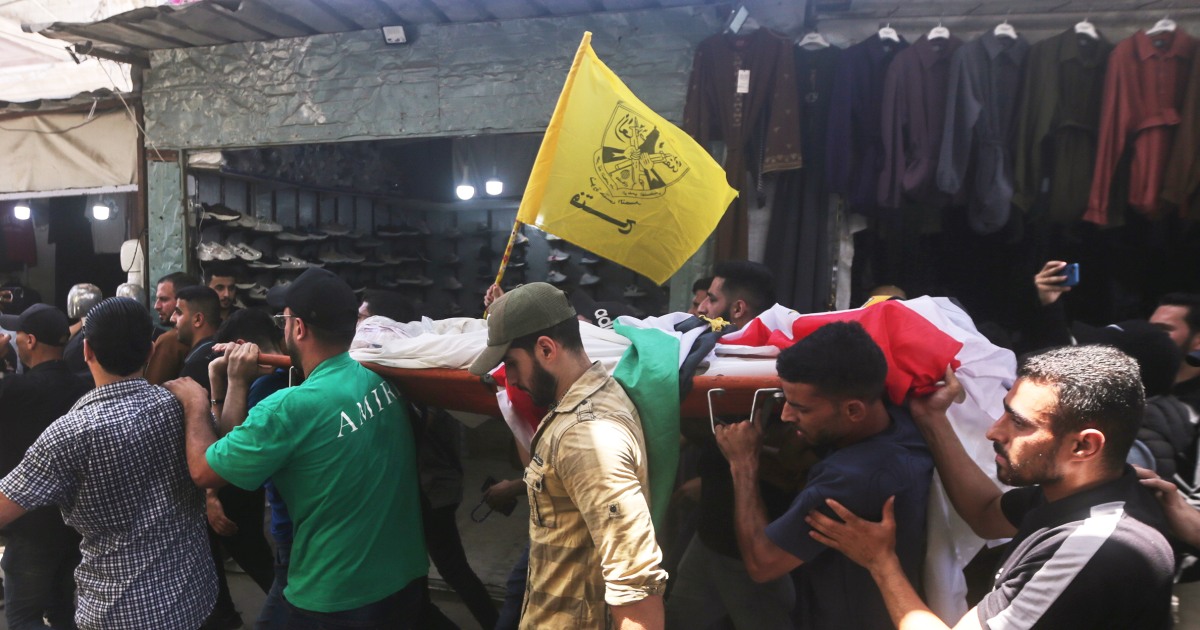
As the world watched the World Cup unfold, tragedy struck in Gaza. An aid worker, instrumental in organizing public screenings of this monumental soccer event, was killed in an Israeli airstrike. This devastating news came just days after the heartbreaking death of a Palestinian goalkeeper, who had dreams of one day showcasing his talent on the global stage.
The Human Cost of Conflict
The persistent violence in the region has claimed countless lives, often collateral damage in larger military operations. Each life lost not only represents personal tragedy but also ripples through local communities, leaving behind families and friends grappling with loss. This scenario highlights a grim reality: amidst the celebrations of sport, innocent civilians continue to pay the steepest price.
Impact on Aspirations in Sports
For many young athletes in Gaza, soccer represents hope and an avenue for success. The tragic death of the aspiring goalkeeper underscores the fragility of dreams in a war-torn area. Instead of focusing on training and preparation for future competitions, athletes are caught in a cycle of violence that stifles their ambitions. Events like the World Cup, which unite people globally, can also serve as stark reminders of the disparities faced by individuals in conflict zones.
Public Sentiment During Global Events
Global sporting events like the World Cup evoke strong emotions, uniting fans and fostering a sense of community. However, for those living in conflict-ridden areas, these moments can be bittersweet. The joy of watching their favorite teams compete conflicts with the harsh realities of their everyday lives. Public screenings, often viewed as a celebration, can quickly turn somber when interlaced with the backdrop of tragedy.
The Road Ahead
As the world grapples with the implications of this ongoing conflict, it’s essential to recognize the role of sportsmanship and community in fostering peace and understanding. Advocating for the safety of individuals in war-torn regions, especially nurturing young talent, could pave the way for hope and resilience. The global community must push for dialogue and intervention, ensuring that sports can serve as a platform for unity, rather than a reminder of division.
On a larger scale, the focus should be on creating safe environments where athletes can thrive. Support systems, including international aid and community initiatives, can play a pivotal role in safeguarding not only the aspirations of athletes but also their lives. In remembering those lost in tragedies like these, we are reminded of the need for compassion and proactive measures to promote peace.