
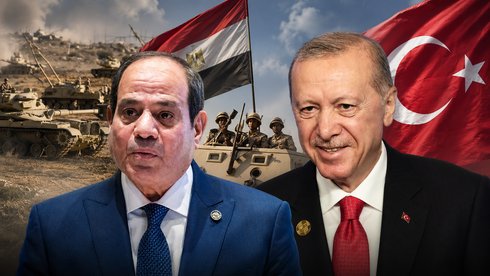
The recent surge of military training visuals from Egyptian armed forces is alarming for Israel’s defense and intelligence sectors. As global attention is divided amongst various international conflicts, a formidable joint military exercise, named Golden Eagle, orchestrated by Egypt and Turkey, underscores a significant security concern. This collaboration is far from typical routine maneuvers; elite paratroopers and special forces from both nations are actively conducting synchronized drills on Egyptian territory.
The Significance of the Golden Eagle Exercise
For those familiar with the complexities of Middle Eastern geopolitics, this emerging military camaraderie serves as a critical warning sign. A formal military partnership has manifested between Egypt and Turkey—something that seemed improbable just a few years back. This noticeable shift is anchored in a comprehensive defense framework, conceptualized during Turkish President Recep Tayyip Erdogan’s recent visit to Egyptian President Abdel Fattah el-Sisi. Official narratives may depict these operations as standard cooperation, but the timing and nature of these drills indicate deeper implications.
The evolving relationship reflects an intriguing geopolitical calculus: the once fierce rivals now seem united by self-interest. This transformation unmistakably alters the balance of power in the Eastern Mediterranean, posing possible threats to regional stability. The Golden Eagle exercise is not the first instance of enhanced military cooperation this summer; a considerable aerial drill featuring advanced U.S.-made F-16 jets had already taken place in late June, further solidifying military ties.
Implications for Regional Security
Cairo’s willingness to welcome Turkish forces onto its soil raises significant concerns about the broader strategic landscape. This burgeoning alliance signals a stark message to Israel and its Western allies: authoritarian regimes can reconcile their differences when it comes to national interest. The partnership is transactional yet has the potential for long-term consequences, including a renewed surge of regional Islamism.
Through these drills, Turkey gains a strategic foothold near Israeli waters and vital shipping routes, effectively projecting its influence under the guise of a collaborative Arab endeavor. Israel, which has traditionally viewed Egypt as a counterbalance to Islamist extremism, must reassess its stance. The alliance between Sisi and Erdogan could lead to complications given Turkey’s reputation as a supporter of Islamist factions, including Hamas.
This cooperation has a profound impact beyond military exercises; Egypt’s involvement in Turkey’s KAAN stealth fighter program and collaborations on drone production highlight a deeper integration of defense capabilities. Such developments challenge assumptions about the enduring peace between Israel and Egypt, demonstrating that these longstanding agreements cannot be taken for granted.
Strategic Recommendations for Israel
To navigate this rapidly changing reality, Israel must adopt a more assertive diplomatic posture. The nation is urged to communicate concerns to its Western allies, particularly regarding the unconditional military support provided to Egypt amidst such strategic realignments. It is vital for Israel to establish safeguards ensuring that American-supplied military technologies are not integrated into exercises that could undermine its security.
Furthermore, Israel’s intelligence apparatus needs to prioritize monitoring the military exchanges between Turkey and Egypt, analyzing the implications on regional security dynamics. If Israel remains passive, it risks encountering a well-coordinated military bloc on its southern border, led by a Turkish regime with ambitions that could counter Israel’s national interests. The blurring lines between secular governance and political Islam introduce new complexities that Israel must proactively address to maintain its security and deterrence capabilities across the region.
In summary, the alliance forged through the Golden Eagle exercises presents a multifaceted challenge for Israel, necessitating vigilance and strategic adjustments to a landscape in flux.