
Iraq faces significant challenges regarding its oil exports, but a recent agreement with Turkey offers a temporary reprieve. This extension of the existing contract for the Iraq-Turkey crude oil pipeline is crucial for Baghdad, as it secures one of its few viable routes for exporting oil. The extension, which will last another year, underscores the urgency for Iraq to maintain its oil flow, especially in light of recent geopolitical tensions.
Importance of the Iraq-Turkey Pipeline
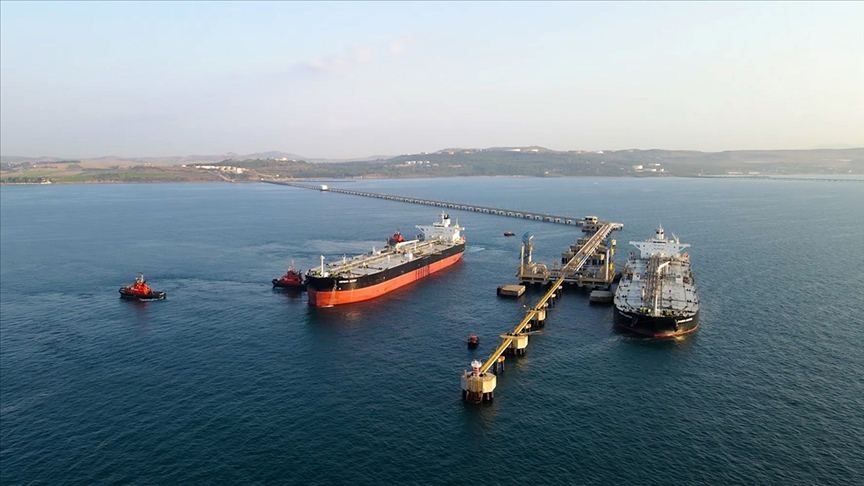
The crude oil pipeline between Iraq and Turkey has been a vital export route for Baghdad, particularly in recent times. With the disruption of other shipping routes, especially following the turmoil in the Strait of Hormuz, the Ceyhan export terminal has taken on newfound significance. Before the crisis, this pipeline served as a supplementary option for Iraq’s exports; however, it has now evolved into an essential lifeline for the country’s economy.
Iraq’s oil production has been hampered in recent months due to geopolitical strains, causing the country to cut back significantly on its output. This has left Baghdad scrambling to find ways to revitalize infrastructure that had remained dormant for years. With most of its southern oil exports limited to the Gulf, the nation has found itself increasingly dependent on the northern pipeline to ensure consistent crude flow to international markets.
The Road Ahead for Iraq’s Oil Industry
Despite the temporary extension of the pipeline agreement, challenges lie ahead for Iraq. The country has ambitious plans to ramp up its oil production to seven million barrels per day within three years. However, these goals can only materialize if Iraq can secure reliable export routes. The recent one-year extension primarily postpones the urgency of the crisis rather than resolving the underlying issues.
Moreover, Iraq’s recent history with the pipeline has been tumultuous. Following a lengthy hiatus due to legal disputes regarding Kurdish oil exports, the flow of crude only resumed late last year. The announcement of the contract’s expiration introduced another layer of uncertainty for an already struggling oil sector. While the extension offers temporary relief, the long-term sustainability of Iraq’s oil exports remains precarious.
The Future of Oil Exports and Economic Stability
In the grander scheme of things, Iraq must consider alternatives to the existing pipeline, expand its capacity, and construct a more robust export network to protect against future disruptions. With more than 90% of government revenue reliant on oil exports, it’s imperative for Baghdad to keep crude oil flowing to Ceyhan.
As regional tensions continue to mount, the importance of finding new pathways and investment opportunities in Iraq’s oil sector grows clearer. This one-year extension may provide a momentary boost, but it also serves as a reminder that a more sustainable and diversified approach to oil exports is essential for long-term economic viability.