
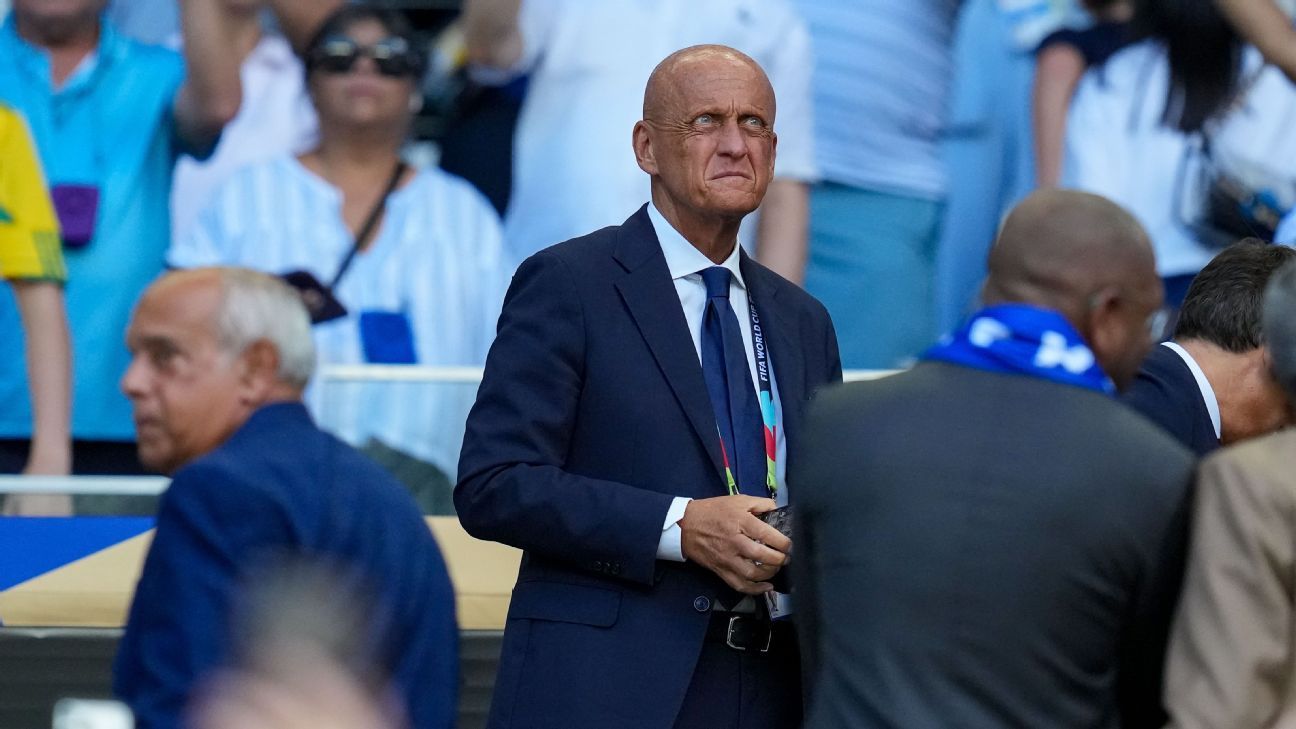
In the world of football, referee decisions often spark heated debates, especially during high-stakes tournaments like the World Cup. Recent controversies following Egypt’s elimination at the hands of Argentina have drawn attention, prompting FIFA’s referees’ chief Pierluigi Collina to defend the integrity of match officials amidst claims of biased officiating.
Controversial Referee Decisions
Egypt faced Argentina in a dramatic round-of-16 clash, which ended in a 3-2 defeat for the Pharaohs. This match was marred by key refereeing decisions that left Egyptian players and officials irate. The Egyptian Football Association formally requested that French referee Francois Letexier and his officiating team be dismissed following what they described as “serious” errors. A significant moment of contention arose when a potential second goal for Egypt was disallowed due to a foul called on player Marwan Attia. The disallowed goal was pivotal, especially considering Egypt was leading the match at that point.
Egypt’s coach, Hossam Hassan, expressed concern over perceived favoritism towards Argentina, suggesting that FIFA might have prioritized retaining the defending champions in the tournament. His remarks reflect a broader discord around officiating levels at the World Cup, a recurrent theme whenever close matches are decided by controversial calls.
Defending Referee Integrity
In response to the uproar, Pierluigi Collina took to FIFA’s website to defend the integrity and autonomy of match officials. He emphasized that claims questioning the officials’ integrity could lead to threats against them and their families, asserting that such behavior is unacceptable. Collina highlighted that referees operate independently and cannot be influenced by external pressures, including that of FIFA’s higher-ups, reinforcing the importance of unbiased judgment in officiating.
Addressing specific grievances from the match, Collina noted that replays confirmed Attia did, in fact, step on Martinez’s foot, warranting the foul call. He stated, “We believe that a foul is a foul,” regardless of whether it is perceived as obvious during live play. He also clarified that the Video Assistant Referee (VAR) only intervenes when a clear foul is identified, thus ensuring that decisions are based purely on the rules of the game.
Key Moments Dictating the Match
As the match unfolded, another contentious moment occurred during the build-up to Argentina’s last-minute winner. Egyptian players claimed midfielder Hamdi Fathy was unfairly held back by Alexis Mac Allister, and they also argued for a penalty when star player Mohamed Salah was brought down by Julián Álvarez. Collina defended the decisions made by the VAR and the on-field referee in both instances. According to him, the contact between Salah and Álvarez was deemed a normal part of football.
Despite the disappointing end for Egypt, the discussions surrounding this match have highlighted the critical role of refereeing in football and the fine line officials tread in high-pressure environments. While controversy is inevitable in such a sport, the integrity of the referees remains a cornerstone of fair play, ensuring that every decision impacts games justly.
In summary, while the emotional aftermath of contentious refereeing can overshadow the brilliance of the game, it is essential for fans and players alike to respect the complexities and challenges referees face in their roles. As football continues to evolve, debates over officiating standards will undoubtedly continue, illuminating the crucial importance of reliable and unbiased refereeing in maintaining the spirit of the game.